
Remote race checks
Club teams can request remote checks on their race cars.
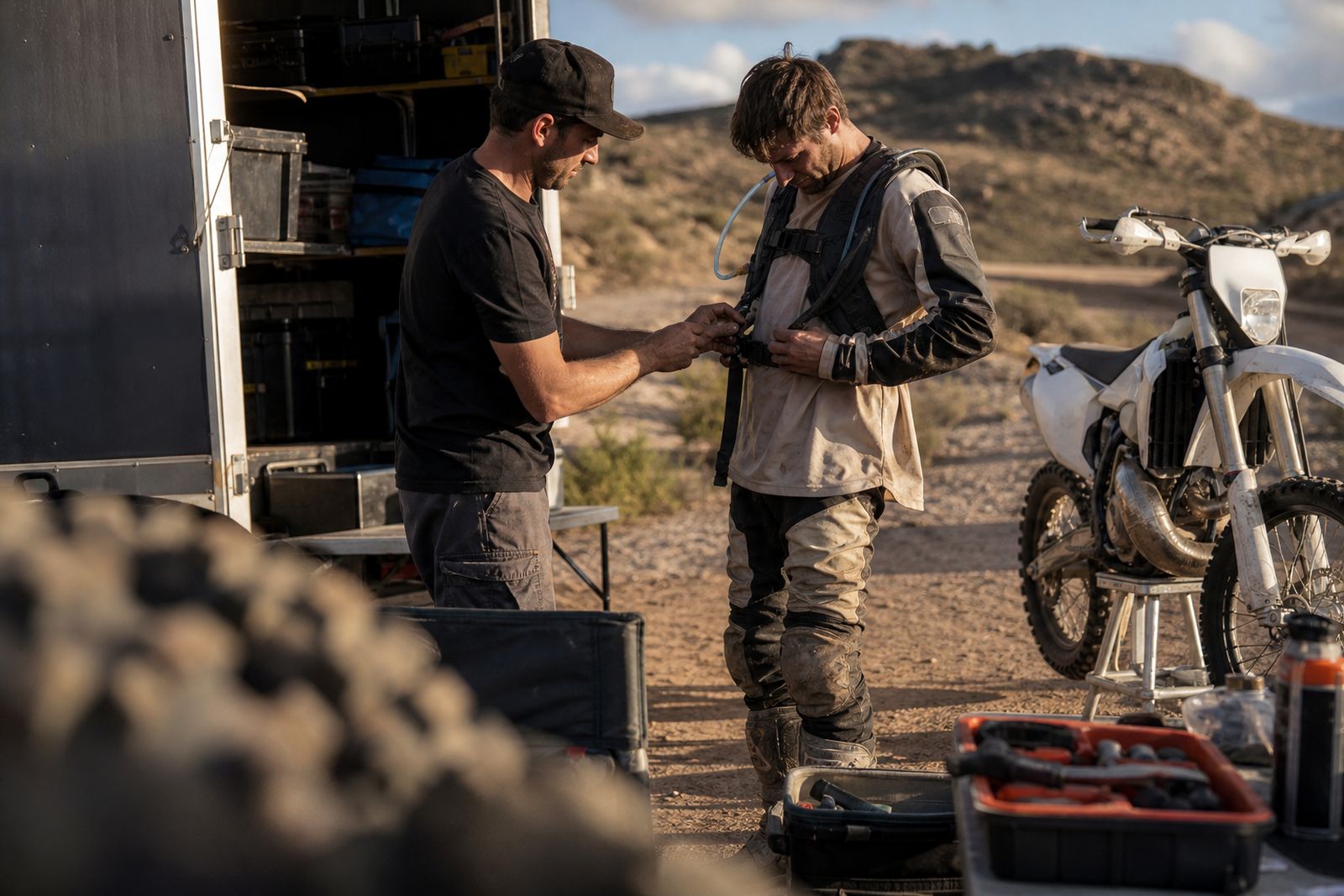
Trackside faults worth sending in
Tell us the symptoms, the kit involved, and steps already taken at the circuit when asking for a review of a car or paddock problem.
Remote race checks helps when a car develops a problem between sessions, during transport, or back at the workshop after a meeting. Add details such as class, circuit, and specific symptom, whether facing a hot-start issue at Zwartkops, brake knock-off after Killarney kerbs, or a charging warning after a wet run at Aldo Scribante.
Spell out the car's current state in detail, including the affected area. Specify the session, list the tyres fitted, and note any changes made that day such as pad compound, ride height, wheel alignment, fuel pump, or radio wiring.
Message checklist
Strong remote race checks briefs cover the symptom, when it first appeared, and what the crew has tested without stripping the whole car. Mention warning lights, temperatures, fluid loss, noises under load, and whether the problem follows engine speed, road speed, braking, steering lock, or kerb strikes.
Review kits, grids, or lap notes for any details that might relate to the issue, then describe further information in your message.
A message about a remote issue should note:
- Symptom logged by session and lap
- Fault area and surrounding views
Track and travel factors
Track features and travel routines may influence car performance. Altitude changes at Kyalami, strong winds at Killarney, aggressive kerb use at Zwartkops, or long periods secured on a trailer can all affect components such as plugs, brake ducts, wheel bearings, splitter mounts, and batteries.
Circuit location and road conditions can affect connectors, cameras, trailer plugs, filters, pedal boxes, and bonnet latches. When describing the issue, mention if the battery was charged, if tyre blankets were used, and whether radios or data gear ran from the car in the paddock.
Brief format that helps most
A strong remote race checks brief includes car details, event timing, and a summary of what the team has already checked or changed.
Begin by naming the car, class, and circuit, then describe the fault clearly before outlining the checks completed by the team. Include parts fitted, fluids used, and any recent work such as gearbox removal, corner-weight adjustments, or a fresh set of tyres before the meeting.
What our Race Prep customers say
Verified Google reviews
Also worth a look
Plan your next race weekend
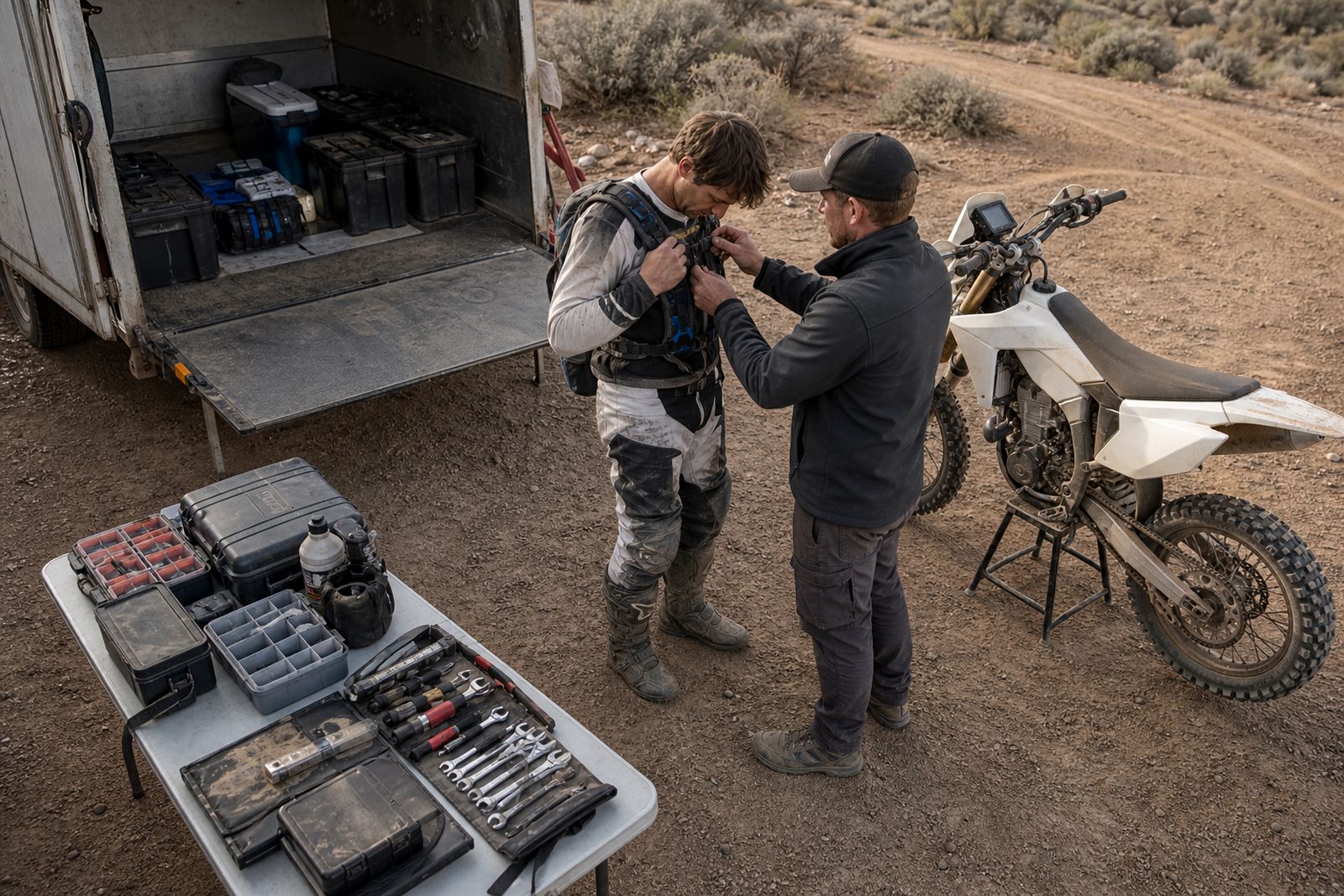
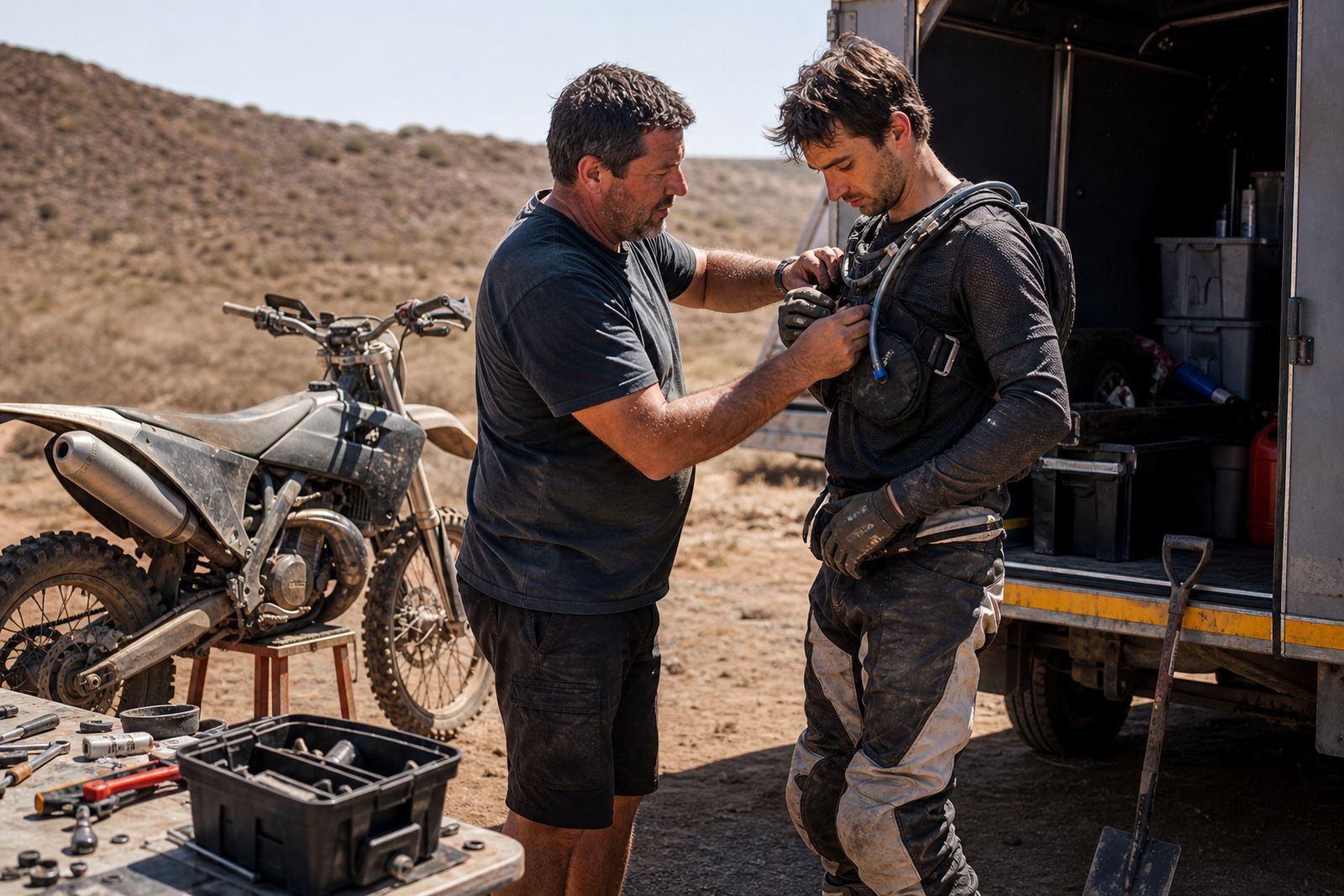
Send a note through our contact form with the event, the bike or vehicle, your class and what still needs sorting, and we will come back with practical kit and prep options and a quote.
Open the contact form