Issue escalation
For paddock escalations in South Africa, teams need the issue named properly.
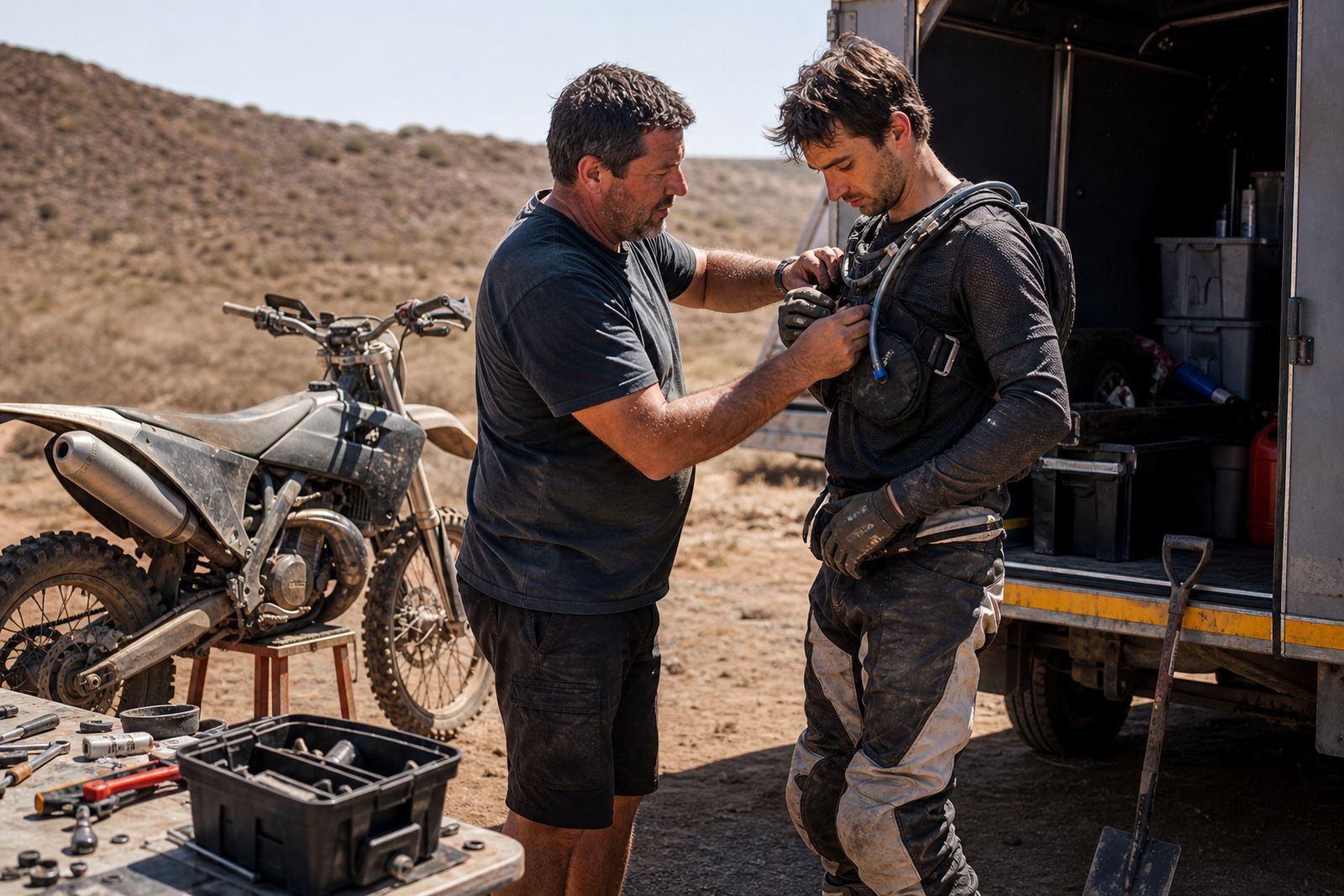
When a paddock fault needs escalation
Clear identification of the problem and affected kit allows the escalation to reach the right person.
Series, venue, and the exact failure or dispute must be named. Examples include brake vibration at Kyalami, fuel supply issues at Zwartkops, or a damaged awning frame at Killarney, each requiring different details. Rain, transport delays, and shared pit space during a weekend can all influence the outcome, so the note should reflect what actually happened at the event rather than only what was found in the workshop.
Begin with an overview of the area and what was happening before any parts or kit are moved. Adding a general paddock description, details of the affected location, and a time reference from the event plan helps organisers or crew chiefs understand the situation fully.
Report details to include
Write a clear report that another team member can quickly read and understand at the circuit, including which car, trailer item, tool, or safety component is involved, what was checked and by whom, tyre set, fuel level, session timing, and any warning lights or noises relevant to the fault.
Write out the escalation note in detail so others can match it to the correct grids record or lap note if it clarifies what happened. For parts supplied from Bellville, state who received them and mention any packaging damage seen at arrival.
Escalation notes should cover these reporting points:
- Fault written against the exact car
- Details must be recorded before any parts or kit are moved
Event factors that affect escalation
Strong wind at Killarney can scatter loose paddock gear and hide the initial cause of damage. Kyalami's altitude can change cooling patterns, while Aldo Scribante and smaller regional rounds often mean fewer spare parts on hand. Separate a rule, safety, or supplier issue from a mechanical one so the note reaches the right person.
Key points at kit transfer
Summaries should clearly state car details, event times, and the specific issue that triggered the report. Others can then quickly understand the context and decide on the next step.
Escalations should be written while session order, witness names, and part locations are still fresh. Scrutineering notes, spares lists, and any marshal or organiser instruction that influenced the decision on the day should also be included for a thorough trackside record.
What our Race Prep customers say
Verified Google reviews
Also worth a look
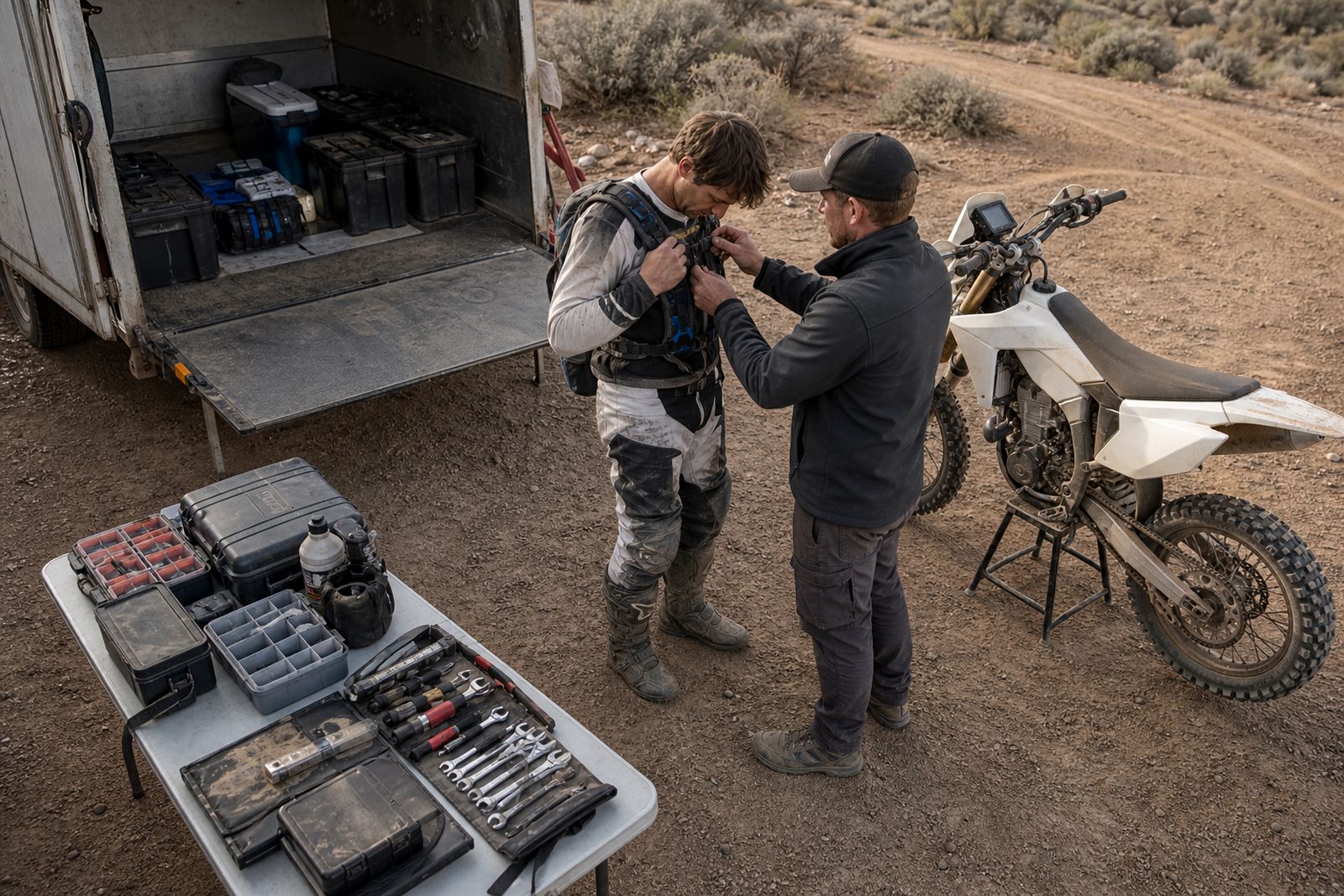
Plan your next race weekend
Send a note through our contact form with the event, the bike or vehicle, your class and what still needs sorting, and we will come back with practical kit and prep options and a quote.
Open the contact form