Safety brief
Safety notes for South African paddocks: fuelling, jacking, electrical gear, fire points, and walkways.
Safety checks before loading in
Fuel handling, jacking zones, electrical equipment, fire points, and clear crew walkways are the main safety priorities in a club racing paddock. Each team’s setup needs to address these areas for safe and efficient running.
State the race category, circuit, and planned setup location. A safety brief for Killarney, Kyalami, Zwartkops, or Aldo Scribante should cover fuel storage, extinguisher placement, jack usage, and the route used for moving cars. The close spacing of club paddocks and expected conditions at the circuit influence which risks need focus first.
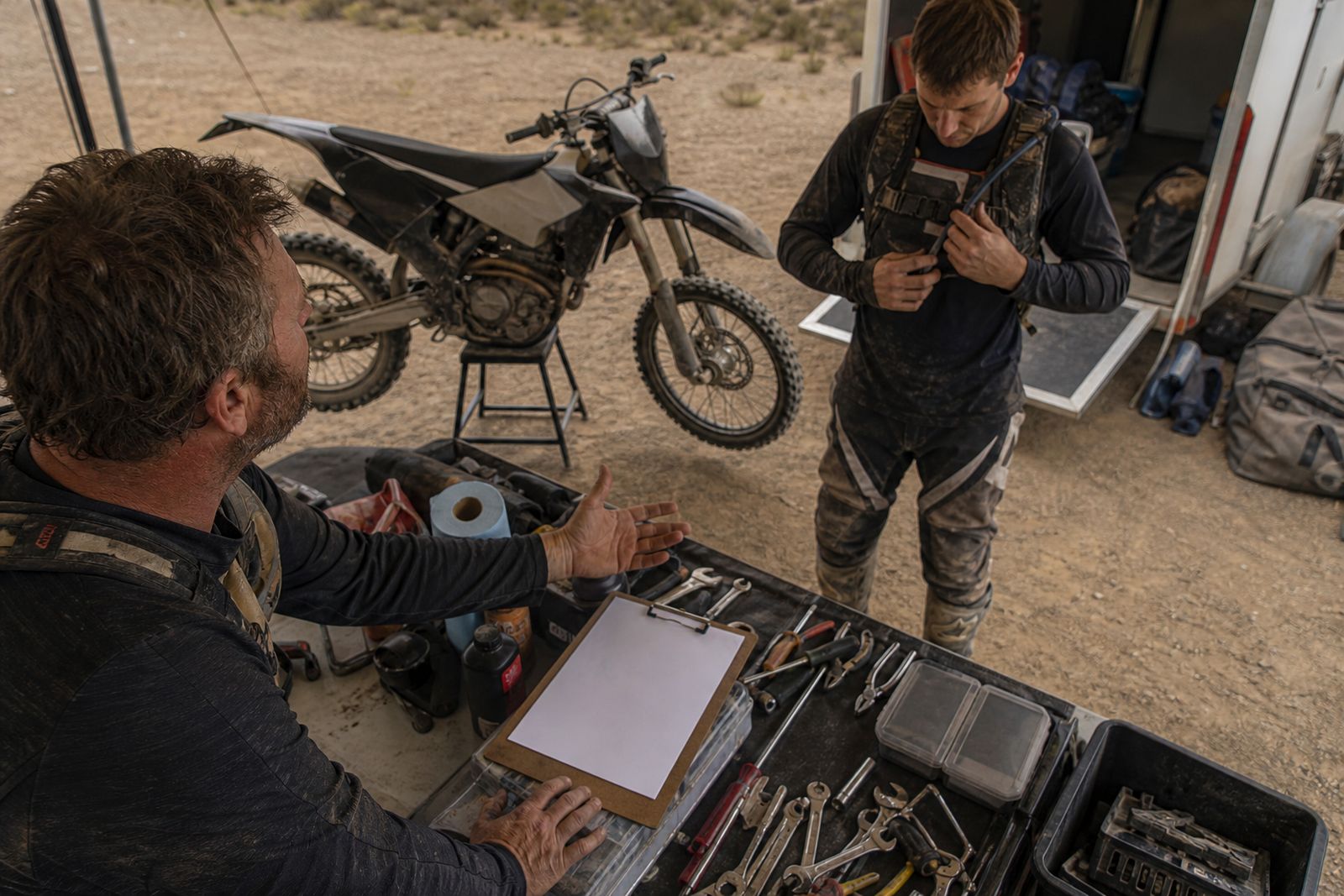
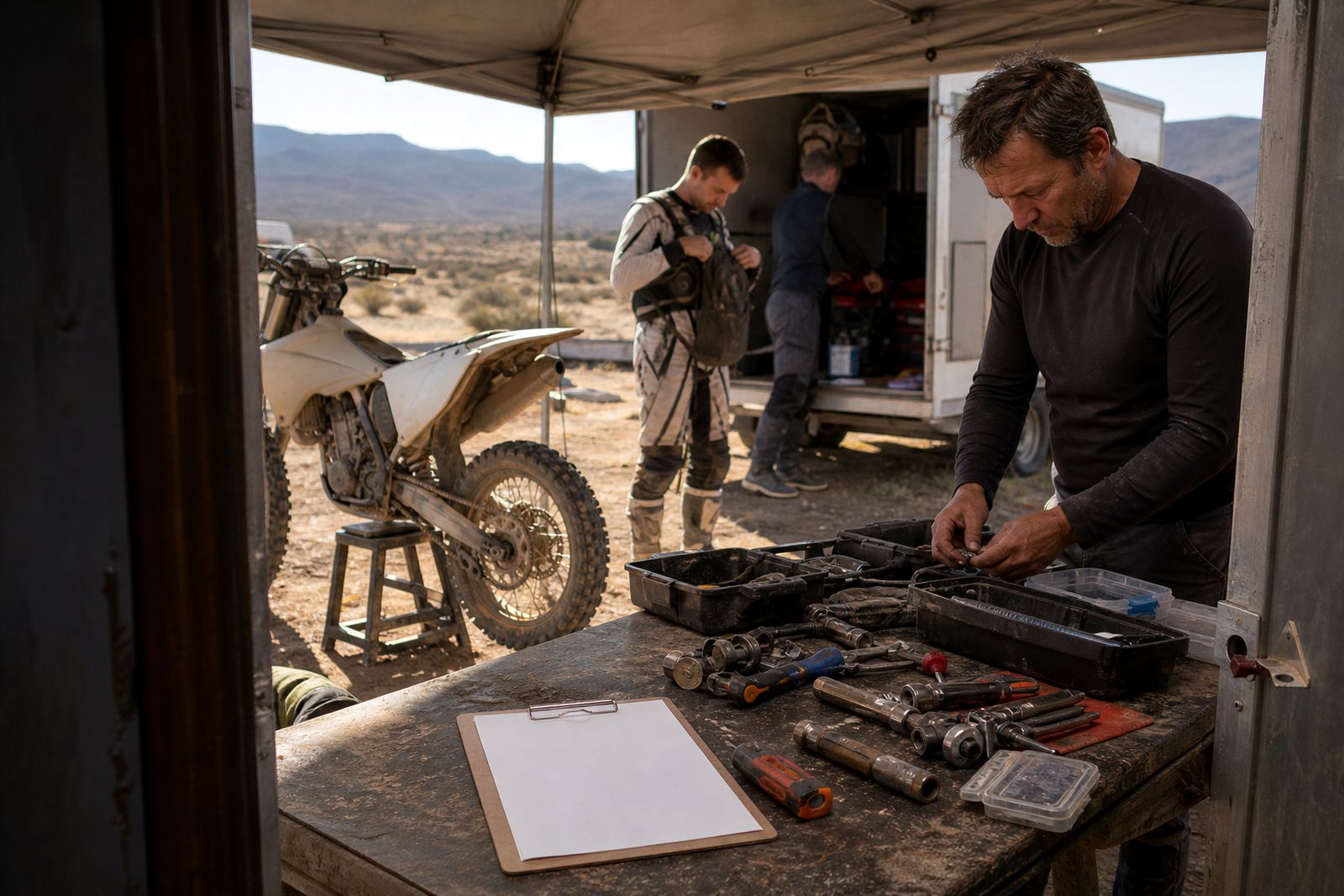
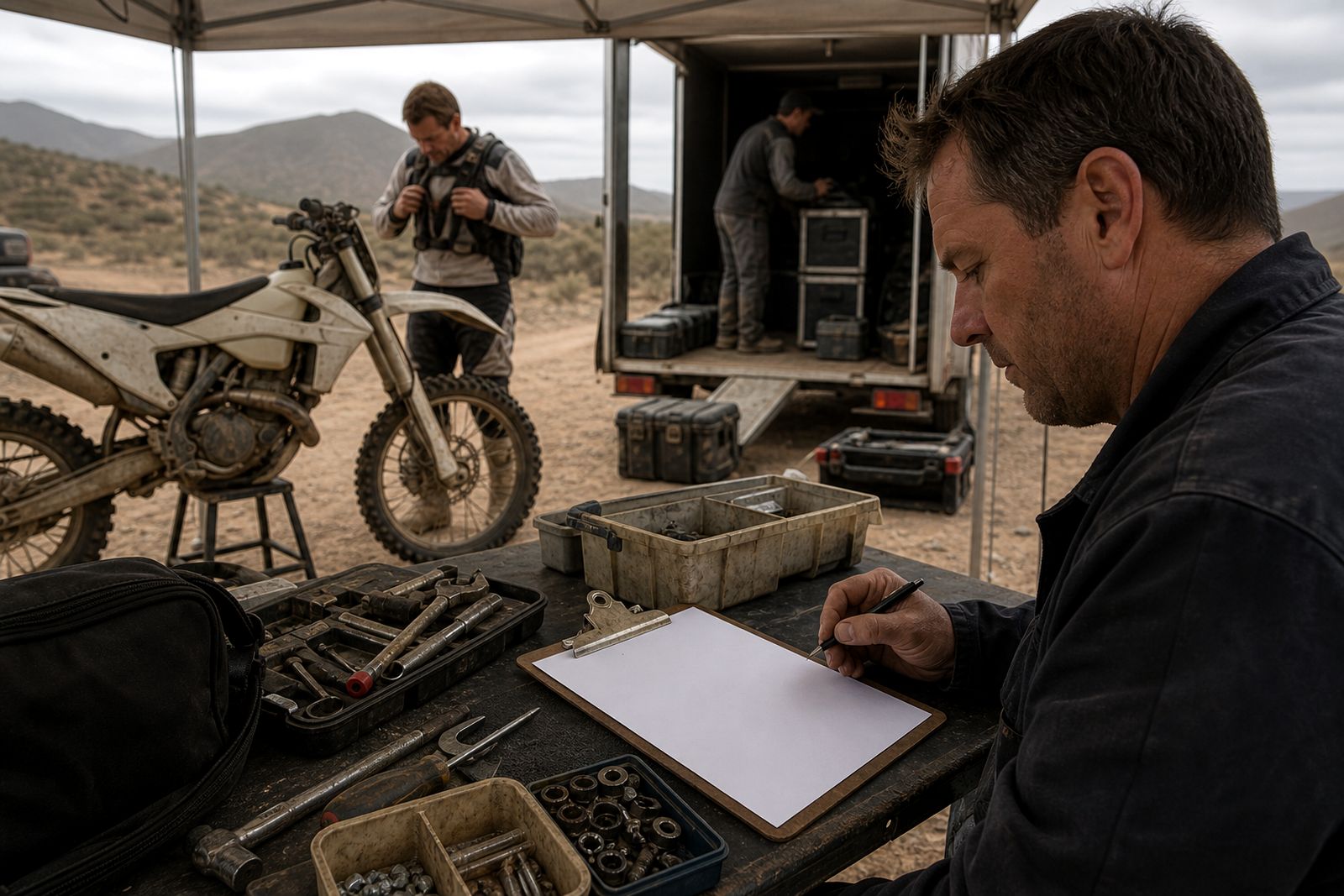
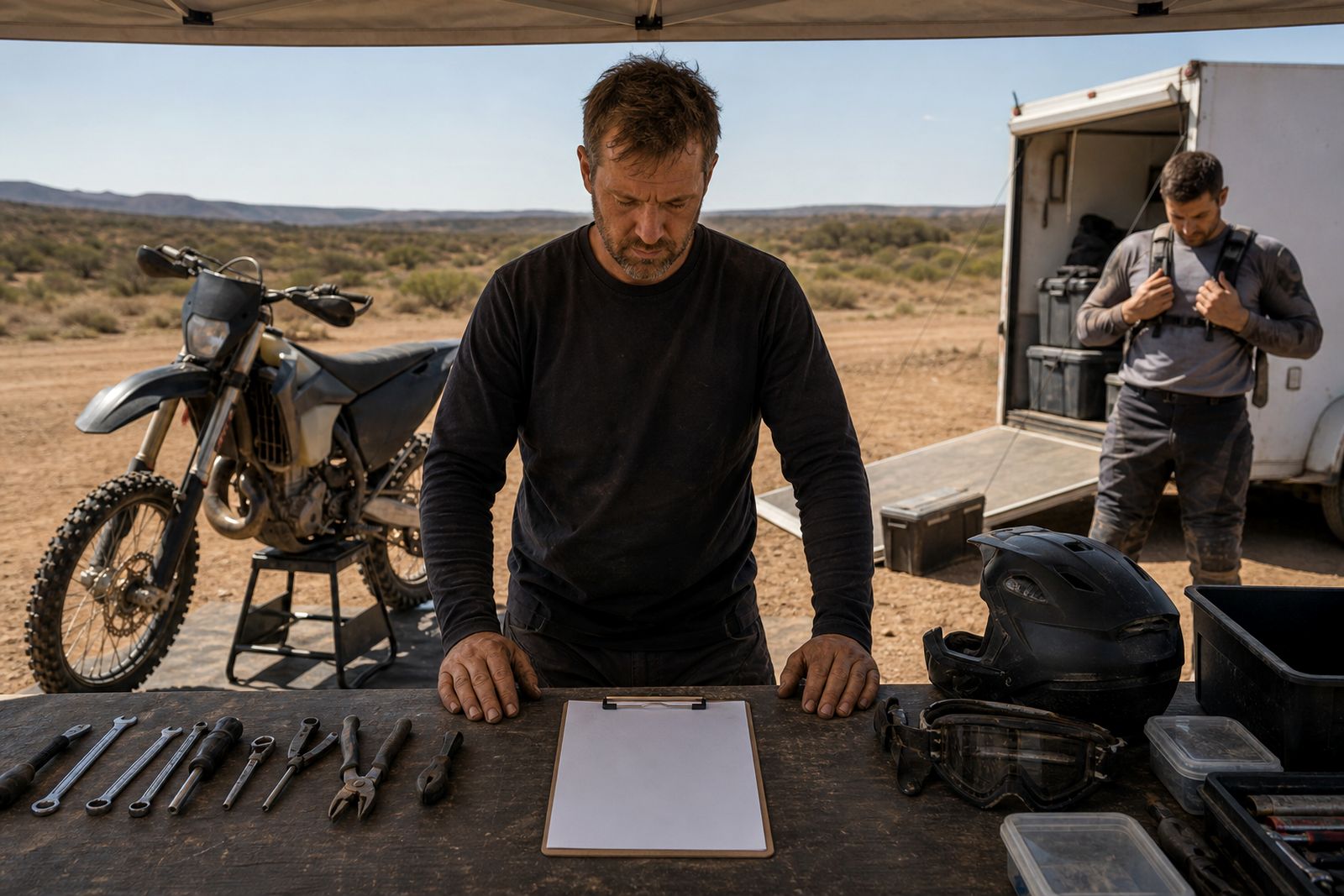
Reviewing the full work area layout in your own records helps identify cable runs, fuel cans, spare wheels, and any trip hazards as they appear to scrutineers and crew. Showing the car in position and the unpacked work zone highlights blocked fire points or misplaced jack handles across walkways.
Safety brief essentials
List who manages refuelling, who checks jacking points, and the storage spot for electrical gear once everything is set up. Add driver call-up times, crew arrival, and any item that failed inspection at the last meeting. Use clear wording so the same sheet is understandable in the trailer, under an awning, or on a phone in pit lane.
Reference the car setup, work area layout, and the gear travelling to the circuit. Gear lists and layout plans help avoid confusion about where each item sits and how the work area is arranged.
Safety steps for the work area include:
- Fuel zone marked and separated
Key points for paddock safety
Uneven surfaces, crowded awnings, and long extension leads between trailers and garages often feature at club meetings in South Africa. Where a trolley jack risks sinking on soft tar or loose paving, note the base plate or board that should go under it.
Any connectors and chargers may need review by midday, depending on the venue. Morning setup often means checking plugs, lights, and exposed terminals for any signs of wear or loose connections. List which gear should be charged before leaving and what can be run from the trailer at the circuit.
Items to record on arrival
Work area layout, crew and driver timing, and details of gear or procedures that have failed inspection help create a clear safety brief. These references support safe operations during setup and throughout the event.
Extinguisher locations, fuel can count, jack condition, and whether walkways stay open once tyres, stands, and toolboxes are unpacked all need noting. The driver briefing start time, crew arrival in the work area, and any failed item still awaiting replacement should also be recorded. One sheet with these details helps the team check everything before scrutineering and before the first car moves.
What our Race Prep customers say
Verified Google reviews
Also worth a look
Plan your next race weekend
Send a note through our contact form with the event, the bike or vehicle, your class and what still needs sorting, and we will come back with practical kit and prep options and a quote.
Open the contact form