Install checklist
A race-prep install checklist for South African club teams, spanning what must be fitted, checked, and signed off before loading.
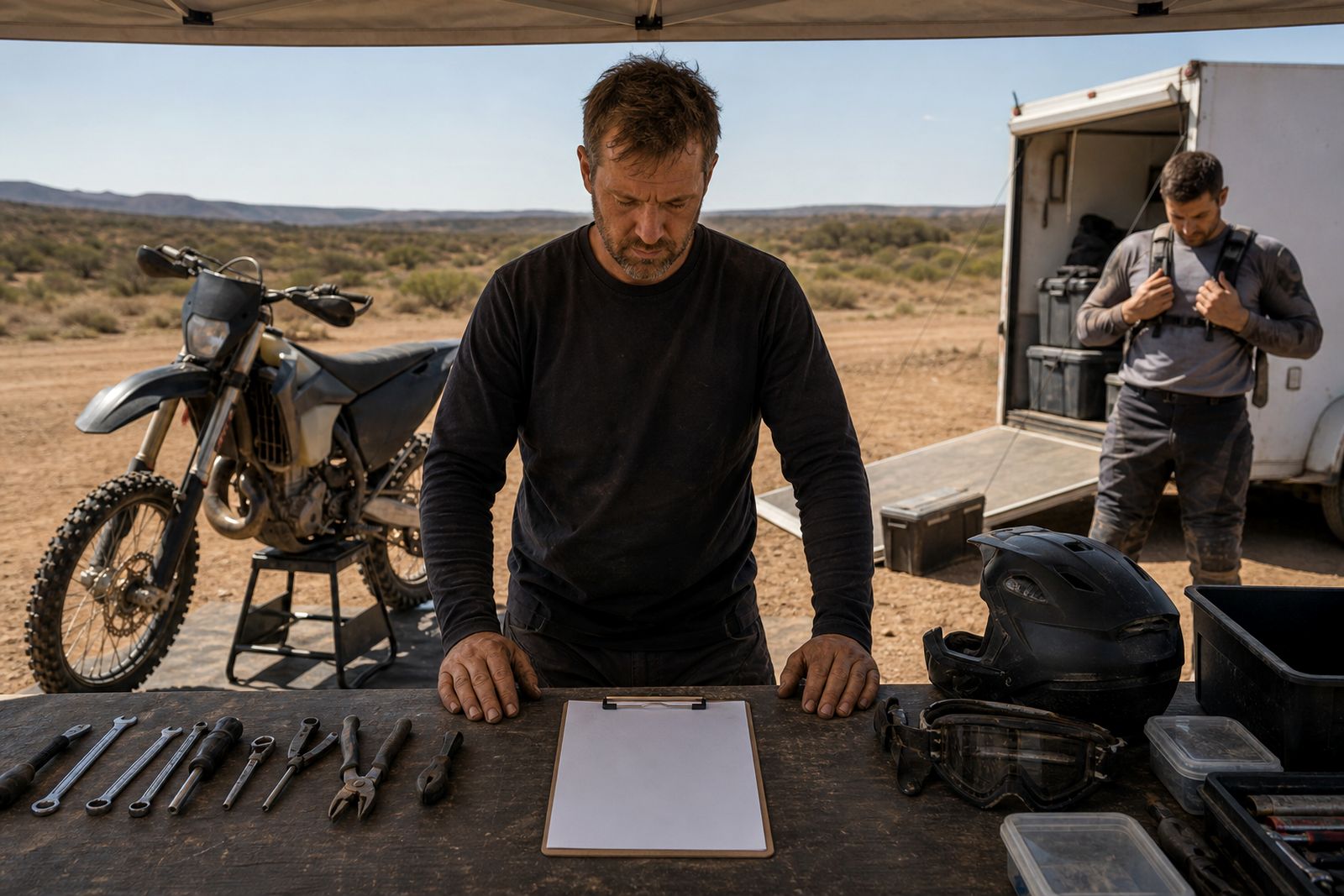
Load-day fitment sign-off
Everything required for fitment, inspection, and sign-off appears on a single, straightforward sheet. Teams complete this checklist ahead of each round to confirm readiness.
Mechanic, driver, and team owner can tick off a single sheet before heading to any of the main circuits. Final install checks include harness dates, extinguisher pull-cable travel, battery isolation, wheel nut condition, seat mounts, rain light operation, and basic leak checks before loading car, spares, and fuel gear onto the trailer.
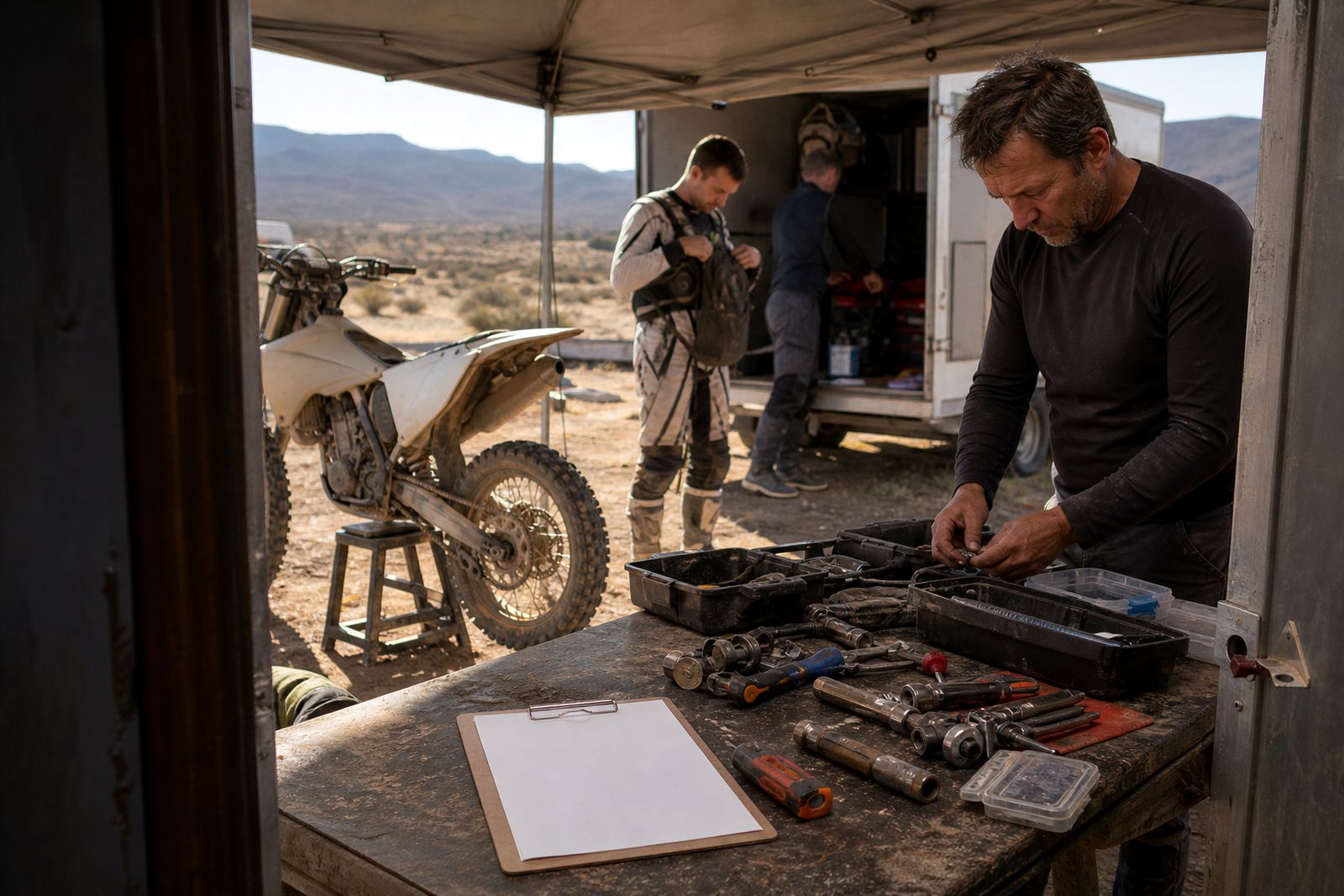
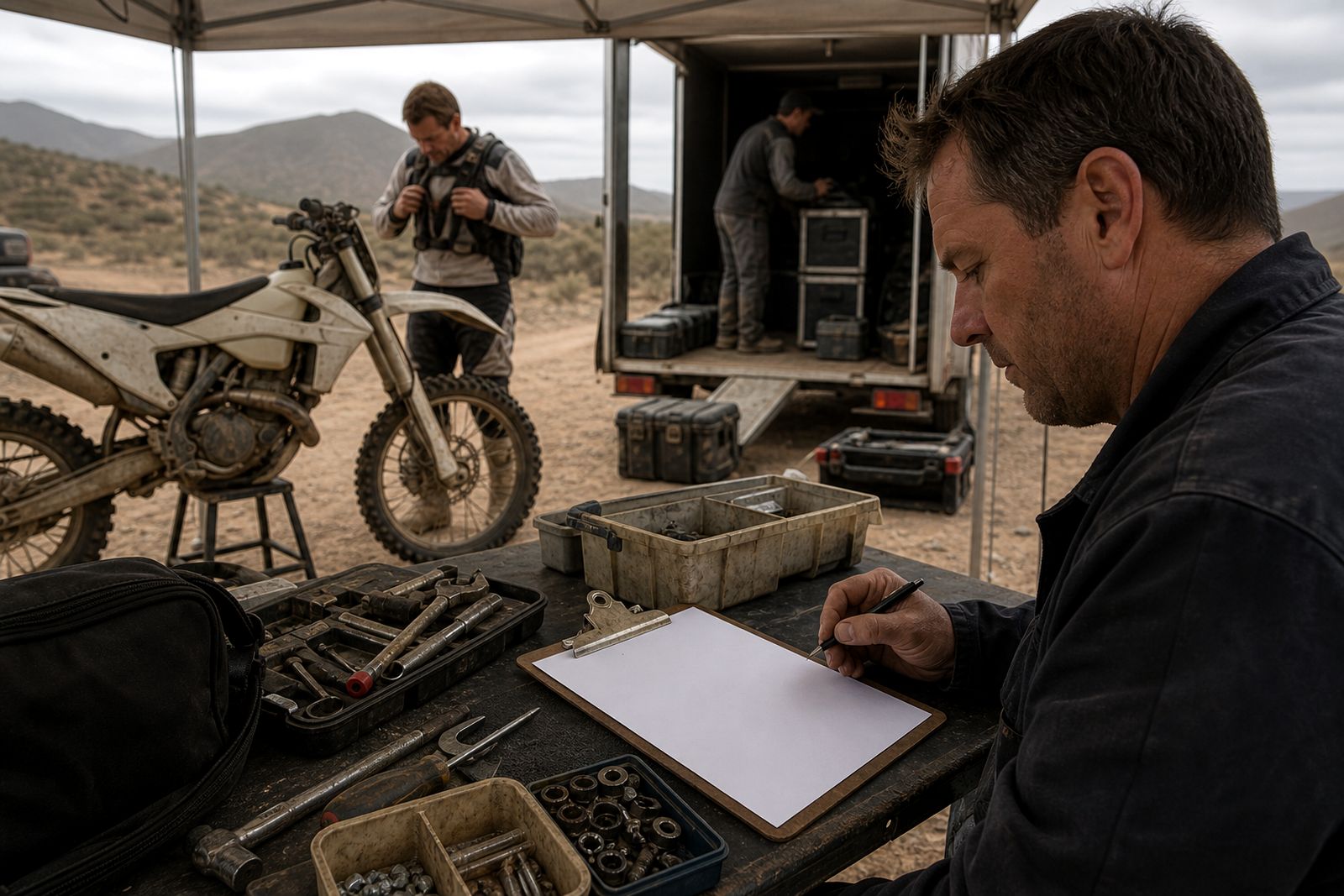
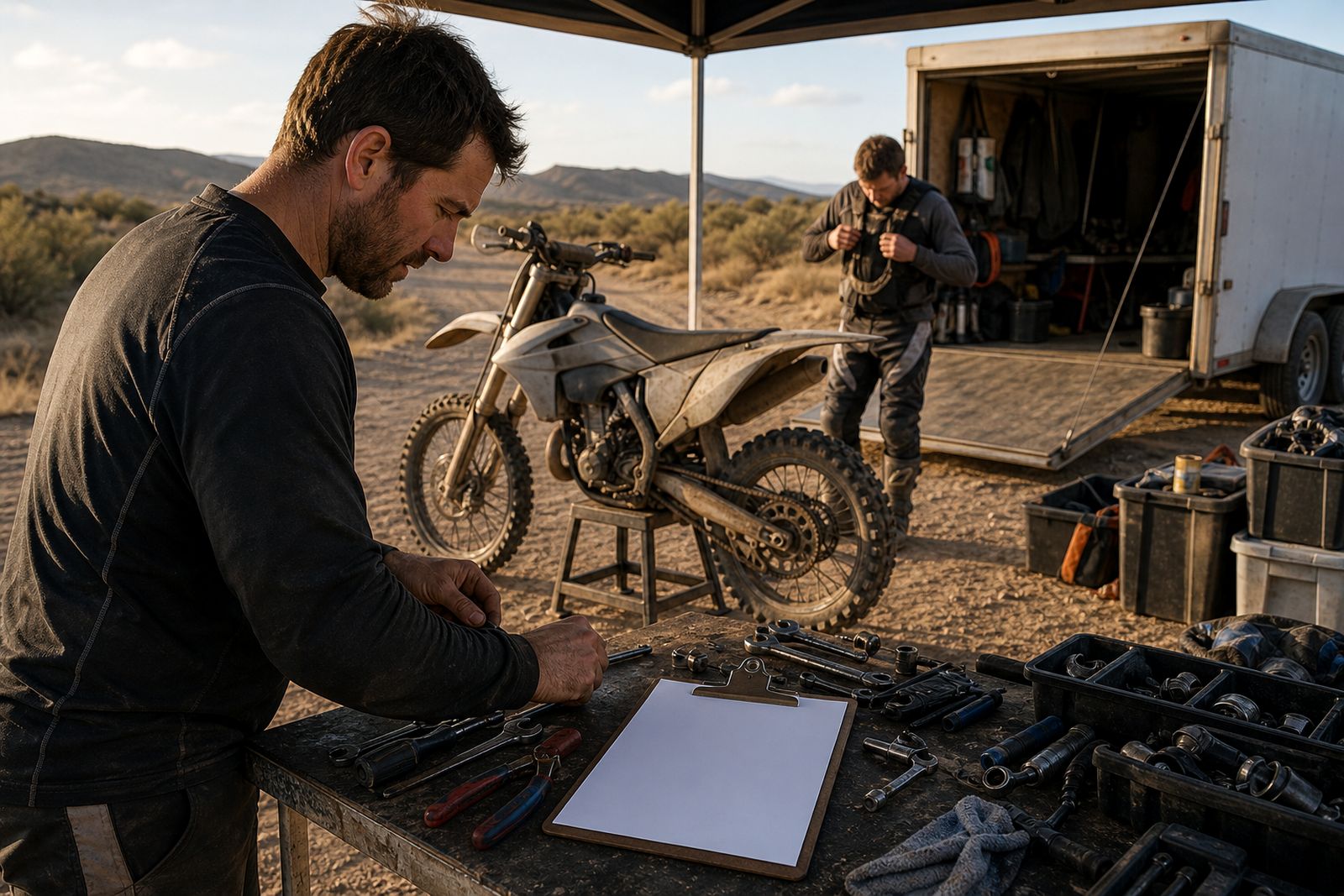
Garage layout notes should be written up before strapping down wheels for transport. Fitment times and any parts removed and later refitted after a snag need to be recorded, as this documentation often answers scrutineer queries about changes between workshop and paddock.
Checklist items to record
Each line item names the component, the check required, and who signs it off. The list can include torque marks on hubs, brake pad retaining clips, bonnet pins, transponder mount, window net latches, and tow points painted and visible. Space is left for notes against anything that still needs rework before departure.
Work through each section using garage notes, fitment times, and a short list of current faults. For cars shared between classes or drivers, specify which seat inserts, steering wheel spacers, and tyre sets apply to each entry.
Records needed for each installation step include:
- Harness, seat, and extinguisher checks
- Fitment times logged against each task
- Signature blocks for crew and driver
Key fitment points for each track
Each venue highlights specific checks, body fasteners and windscreen wipe function often come up at Killarney, while cooling systems, brake temperatures, and battery condition are checked closely at Kyalami and Zwartkops. Bringing key fitment items forward, along with practical extras, helps teams cover scrutineering basics and avoid missed steps.
Track events can reveal wiring faults in helmet blowers, loose electrical plugs, and connector issues. Extra cleaning may be needed around timing tags and connectors after a day in the paddock. Mark off battery packs, radios, and tyre tools before the tow vehicle leaves to avoid delays at the circuit.
Workshop details to include
Run the install checklist by describing garage layout, fitment timing, and any items that have failed or need rework. Give details of any recent repairs, even if the issue seemed minor during workshop checks.
Last known failures on repaired items should be included, even if the fix looks minor in the workshop. Bring the completed sheet along for crews to check that every listed fitment aligns with what is delivered for the race weekend.
What our Race Prep customers say
Verified Google reviews
Also worth a look
Plan your next race weekend
Send a note through our contact form with the event, the bike or vehicle, your class and what still needs sorting, and we will come back with practical kit and prep options and a quote.
Open the contact form