Training pit
Crew movement, tool placement, wheel-change rhythm and repeatable checks all receive attention in this kit, with routines shaped for South African.
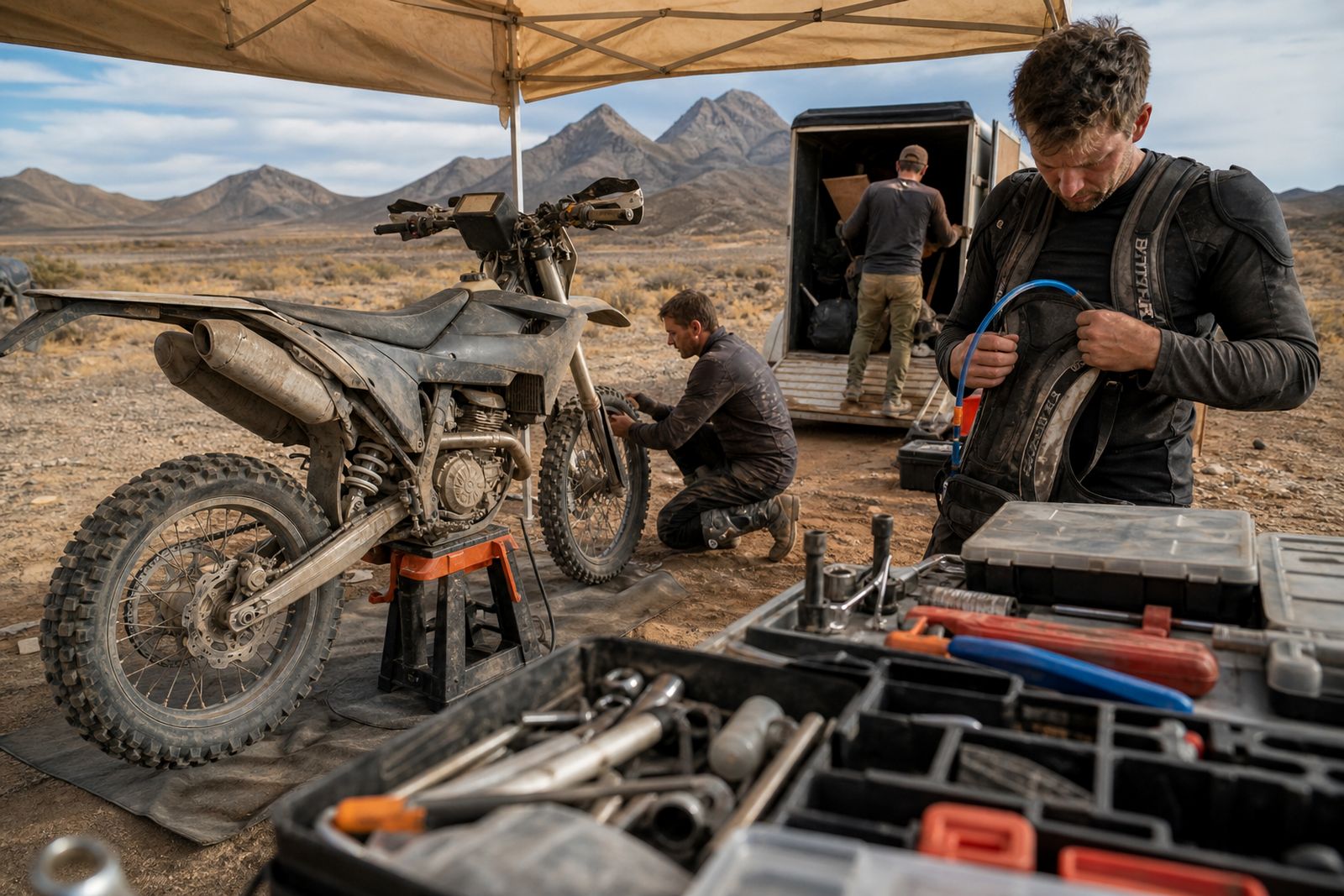
Pit-stop routines for club teams
Training pit gives hands-on practice in a pit-style setup, where crew members can run through jobs before race day pressure arrives. It builds repetition, layout discipline and cleaner team movement around the car.
Mark jack landing points, tyre waiting spots, and crew crossing routes behind the car for every stop. Routines and gear layout adapt as grip and visibility change from venue to venue.
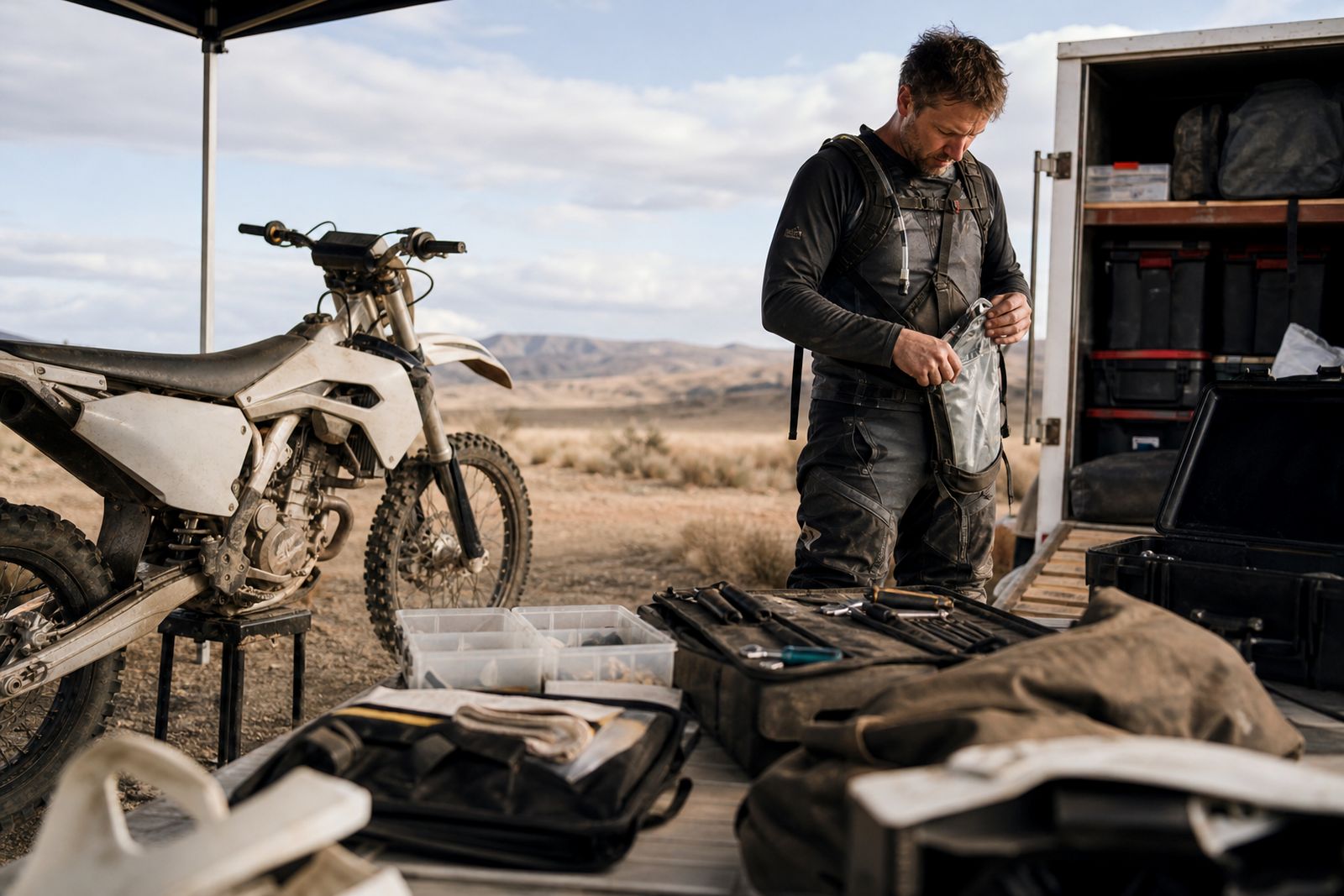
Writing out or sketching the full pit setup before the first practice round provides a reference for tool and equipment placement. This approach makes it easier to return wheel guns, sockets, torque wrenches and bleed bottles to their correct spots, reducing the chance of misplaced items between jobs.
Pit drills before race morning
Layout cues, repeatable job cards and simple check points around the car keep the drills consistent. Training pit is written so a club team can rehearse refuelling support, tyre work, radio tasks and post-session checks without adding unnecessary steps to the routine.
Timing and crew roles for the next run get added after running through a drill.
Pit drill essentials to confirm with the team:
- Marked positions for tools and tyres
- Crew sequence checked against the car
- Step-by-step notes for each drill
Venue factors that shape pit work
Adjustments such as securing awnings or organising spares when space is tight help crews adapt pit routines to each venue. Tape, labels and electrical connectors may need extra attention, depending on how they hold up during pit work.
When using battery-powered tools, radios or charger packs, teams may need to plan for charging access or fewer crew members. Some circuits have rougher paddock surfaces or shorter setup times, which can require changes to the routine.
Sharing details for kit notes
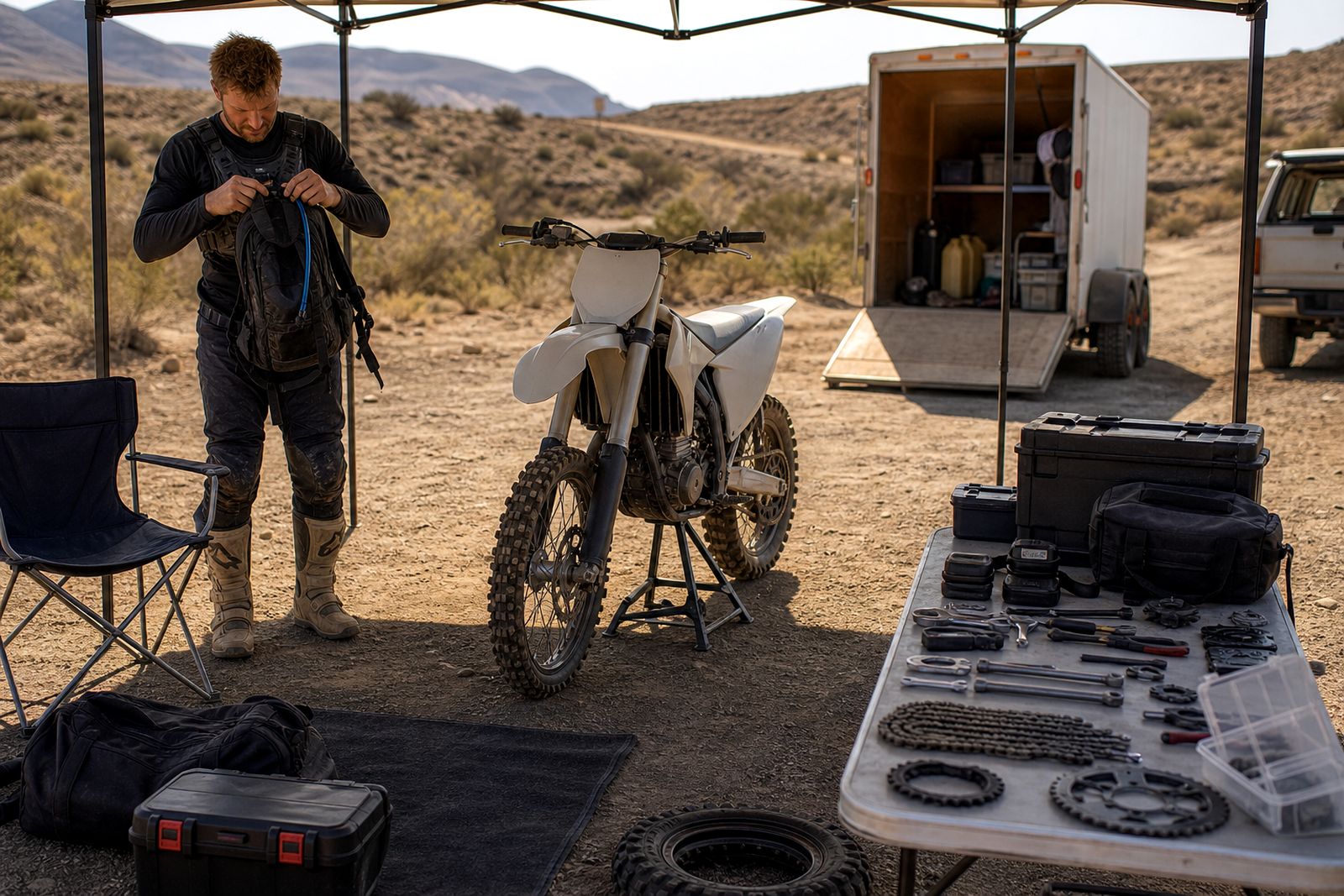
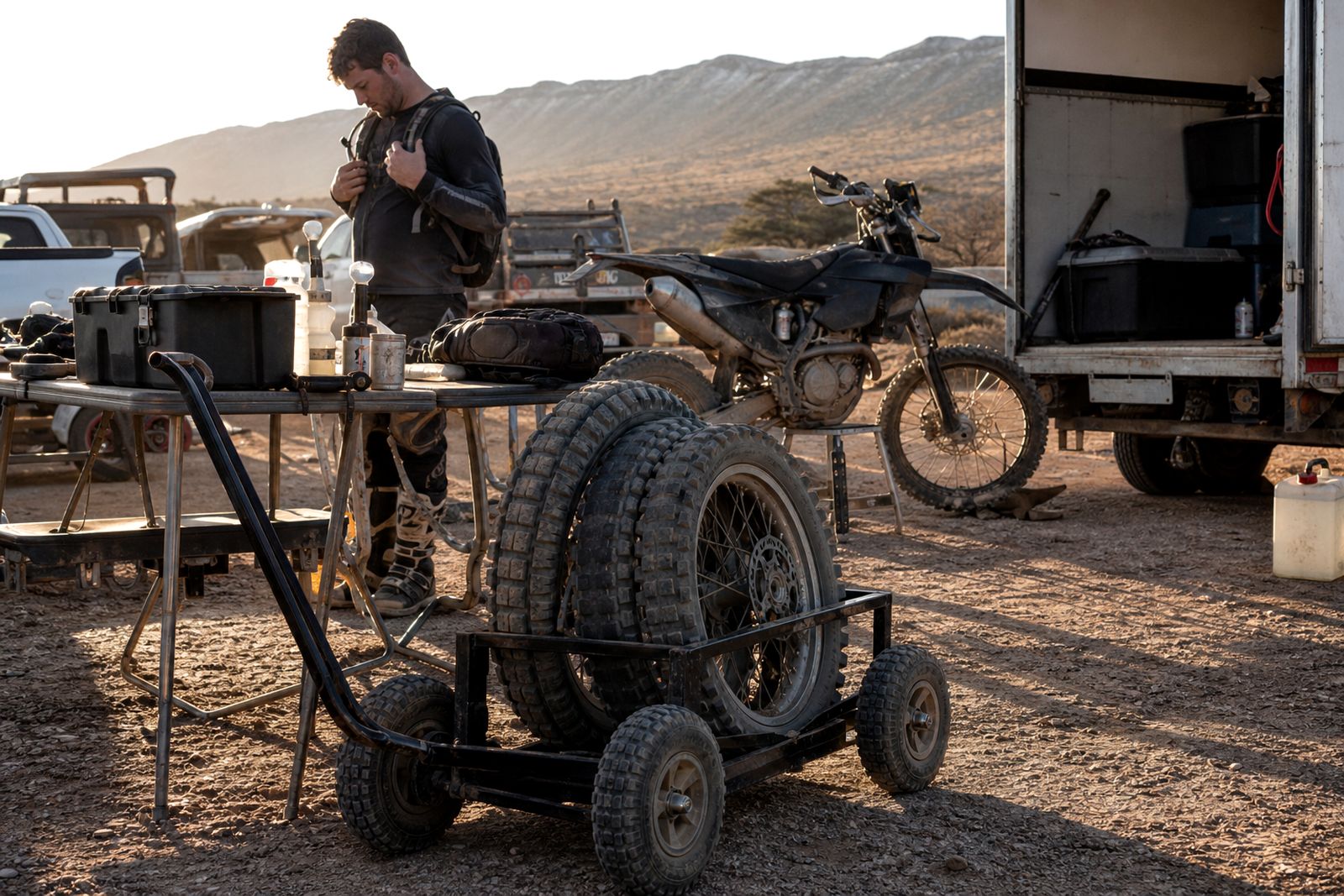
Noting your car type, crew count, and first planned drill helps shape the setup notes. Including how the trailer, awning, pit table, and wheel stack fit together allows the layout to match your typical space at events.
Reporting recent issues, such as a slow wheel nut change, radio confusion, or a missed tyre pressure check, sharpens these training notes as a reference for future setups, rather than leaving it as a forgotten sheet in the toolbox.
What our Race Prep customers say
Verified Google reviews
Plan your next race weekend
Send a note through our contact form with the event, the bike or vehicle, your class and what still needs sorting, and we will come back with practical kit and prep options and a quote.
Open the contact form