

Brief Card
A one-page paddock prep note built from the car, the circuit and one limiting factor.
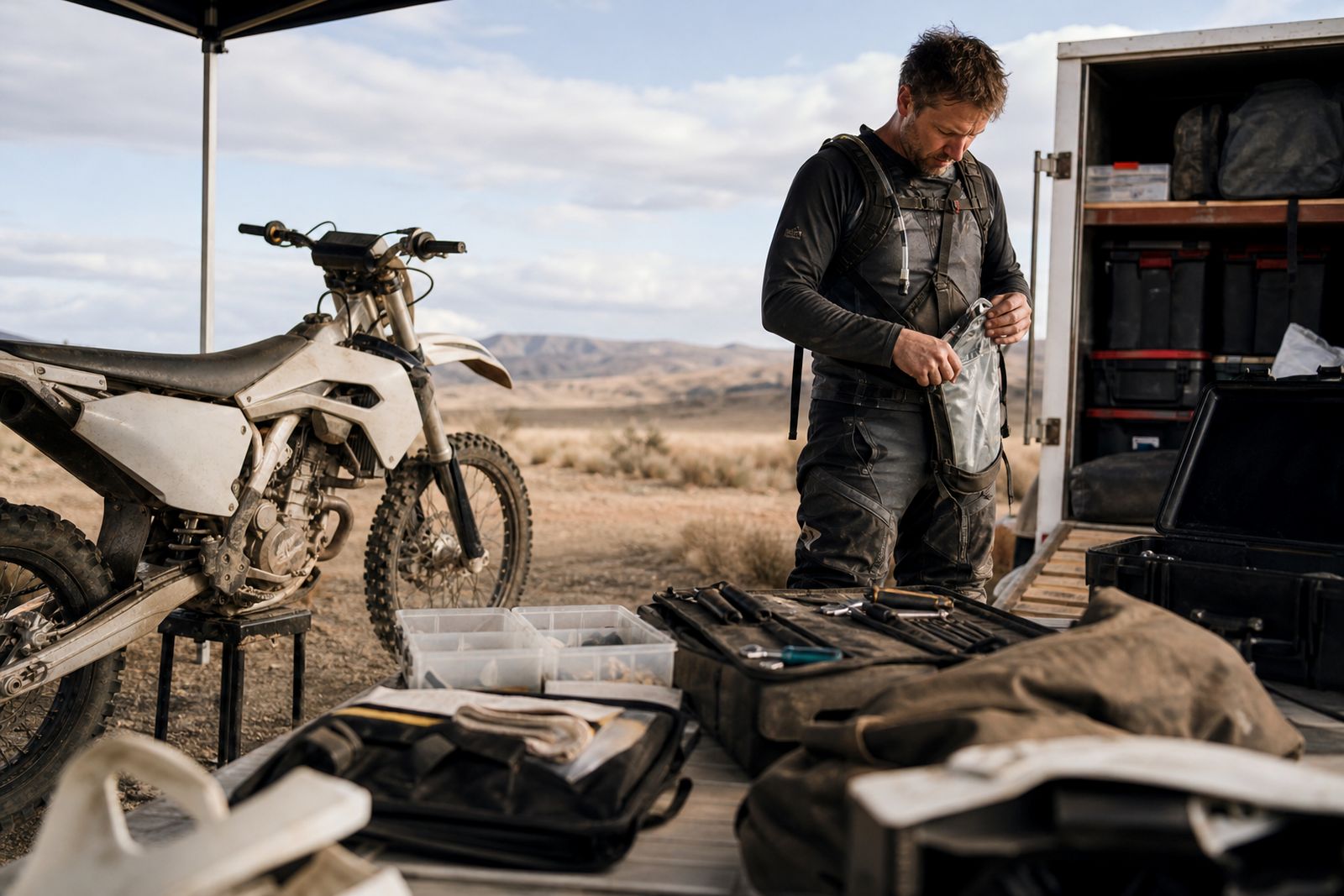
Weekend brief in one card
Brief Card captures the weekend's key needs on one card. It gives a short, usable prep note your crew can follow in the paddock.
Start by naming the car, the circuit, and the main constraint likely to slow setup. Describe key trailer or trolley details to show what must fit, move, or stay accessible on race day.
Crew copy and load list
You receive a prep note and a checklist that matches the kit required. When ordering paddock kits, specify the car class, the circuits you race at, and the available space in your trailer.
Describe what must fit and remain accessible at the start of the prep note. Walk through the parts list and prep note before loading a kit.
SA race day variables noted
Track use and paddock routines determine how often visors, sensors, and electrical connectors need checking during a race weekend.
Urgent requests for race week should be listed apart from standard prep notes to avoid confusion.
Key details needed
Essential information for a race card includes:
- Car, circuit, one constraint
- Engine compartment or trailer layout note
Questions about the brief card? Put the problem on the brief card in a line or two and add the date of your next meeting.
Record for crew use
Crew members find it easier when only the most relevant details appear on the card, not an entire event pack. Driver name, class, tyre plan, fuel note, and meeting-specific checks should be included.
Brief Card helps club teams set out the next steps before loading for an event. When all details are listed on one card, the crew can focus on the job at hand.
Car class, venue, and the main factor likely to delay setup, such as trailer space, a cooling issue in heavy traffic, or a parts mix that changed after the last event, should be shown on the brief. Setting out these priorities on one note means everyone follows the same plan at venues like Kyalami, Killarney, Zwartkops, or Aldo Scribante.
Packing mistakes often happen before the car leaves the workshop, so a clear note about the trailer, trolley, or trailer door helps. Indicate what must stay accessible, what can be secured, and what risks getting buried under spare wheels.
The result is a short prep note and a checklist that matches the kit in use. Parts, tools, tyre items, and sign-off points are written clearly so the driver, crew chief, or family helper can follow the same instructions in the paddock.
Check the parts list and prep note again before loading, especially if loose bottles, chargers, or small boxed spares are included.
Each record for crew use should include:
- Car, circuit, one constraint
- Engine compartment or trailer layout note
- City, timing, and a short note on the two issues
SA race day variables noted
Brief Card includes those constraints so the note matches the trip and what needs packing, rather than an idealised list.
Track debris and residue affect cleaning intervals for exposed hardware and trailer fittings. These factors also influence how often visors, sensors, and electrical connectors need a wipe-down, while battery charging and radio preparation benefit from a set routine.
Brief card after the meeting
Brief Card should include timing and a description of what has already failed. Label the request with the trip name.
Store the card with the setup note and spares list after the weekend. This makes it easier to repeat a prep routine when the same car returns to the same circuit with similar tyres or transport arrangements.
What our Race Prep customers say
Verified Google reviews
Plan your next race weekend
Send a note through our contact form with the event, the bike or vehicle, your class and what still needs sorting, and we will come back with practical kit and prep options and a quote.
Open the contact form