Training day
Crews find briefing gaps and pit-lane routine problems once they start working together.
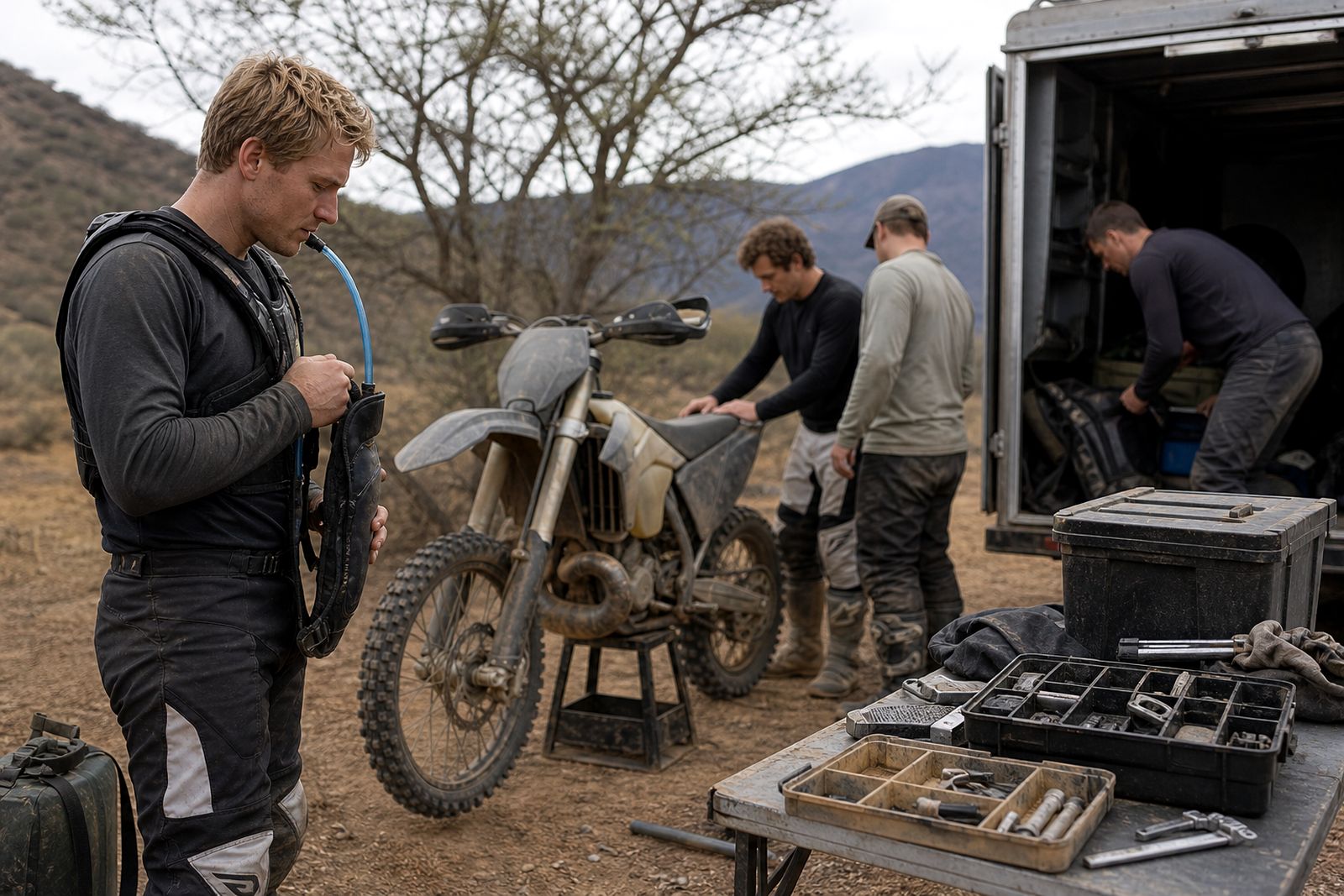
Crew drills before pit lane
Training day is for crews that need to tighten up the basics before they are exposed in pit lane. Briefing gaps, core checks and routines often only show once the whole team works together around the car.
Training day is built for the first sessions where driver, mechanic and helper start operating as one crew around the car. Crews drill briefing order, wheel and fluid checks, pit-lane signals and the hand movements that prevent crossed tools, missed latches or a bonnet left loose. At club level, these are the mistakes that show up at Killarney, Zwartkops and Kyalami long before outright pace does.
Test mornings, rookie orientation, tow-vehicle loading, fuel handling, tyre pressure calls and the first full walk-around before the engine fires all benefit from this structure. Bringing a new family member into the crew or moving a regular helper into a timed pit job for the first time becomes easier with repeatable routines guiding each step.
Inside the training day kit
Crews use these notes trackside to stay sharp on each task. Assign who checks wheel nuts, where the extinguisher is placed, what must be called before release, and which steps need sign-off after every run. The checklist also helps crews log small problems as soon as they appear, whether it's a dragging strap, a loose transponder mount or running low on visor tear-offs.
Confirm car specification, driver experience and the circuit planned for the session. Assign responsibility for managing the checklist and verifying that the car is ready for release, especially when the crew is split between workshop and track.
Main inclusions for a typical training day kit:
- Pit-lane release calls and hand signals
- Wheel, bonnet and harness checks
- Use for test days and rookie runs
Club paddock routines on race weekends
Pressure in the queue at Zwartkops, long tow-ins to Kyalami, and gusty conditions at Killarney all test how closely a crew follows its routine once the lane opens. Focusing on the steps that prevent mistakes helps teams keep attention on the car even when distractions build.
The checklist addresses the real-world issues local teams encounter in the paddock. Different tracks present unique combinations of challenges, so the notes include prompts for checking airboxes, connectors, and gear left overnight in the trailer. Radios, tyre pumps, helmet blowers and battery chargers all require assigned roles in the day's routine to minimise last-minute issues.
Session notes after each run
Use a training day kit for test sessions, rookie seat time and crew drills before points are on the line.
Training day runs cleanly when the crew writes down what slipped, what flowed and what needs a new position in the paddock layout. One page can cover pit entry timing, tyre pressures called hot, missing tools, and whether the debrief happened before the driver stepped away. Those notes become the reference for the next test day instead of relying on memory in a noisy trailer park.
Related pages
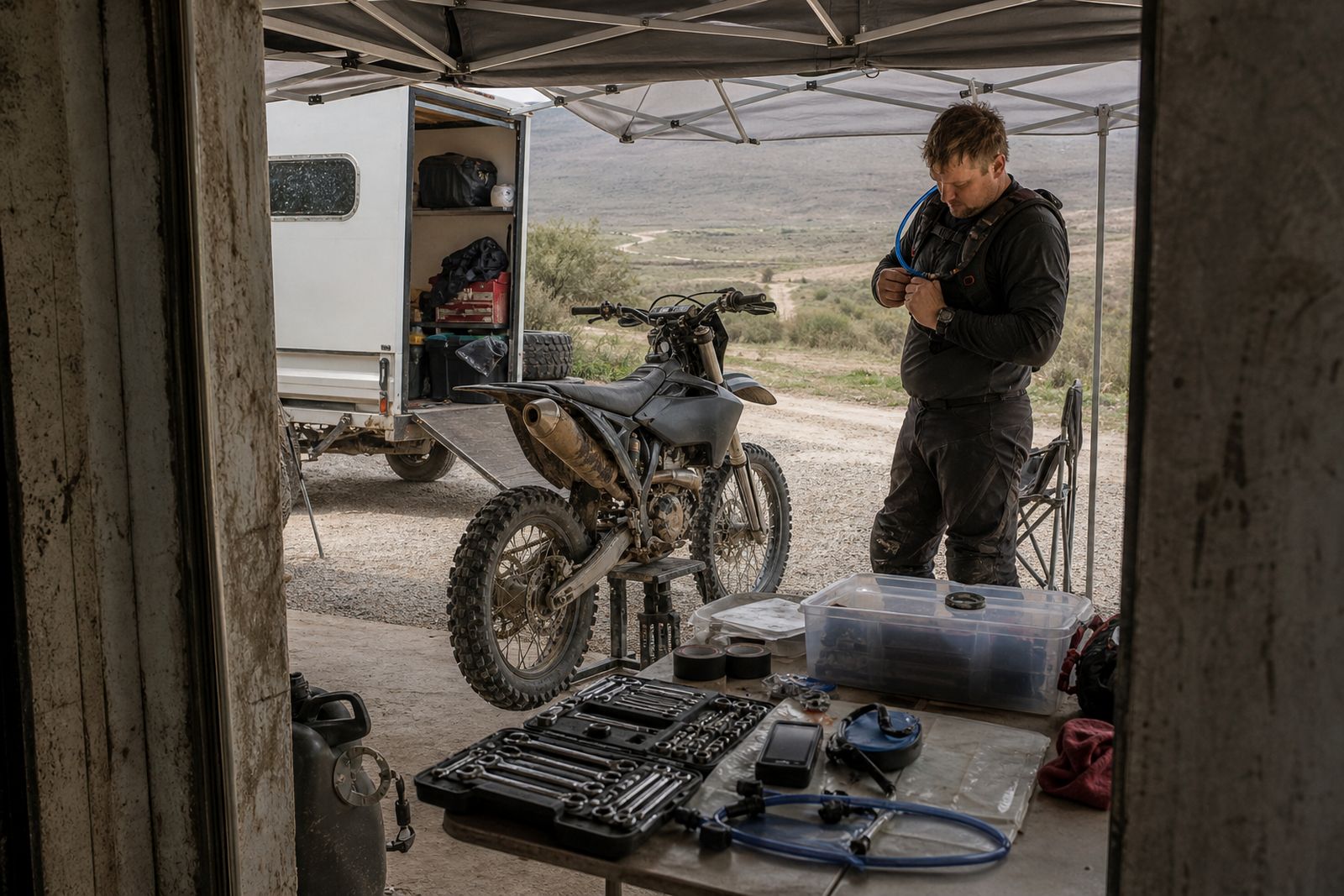
Training day specs
Specification sheet for a training day.
Read more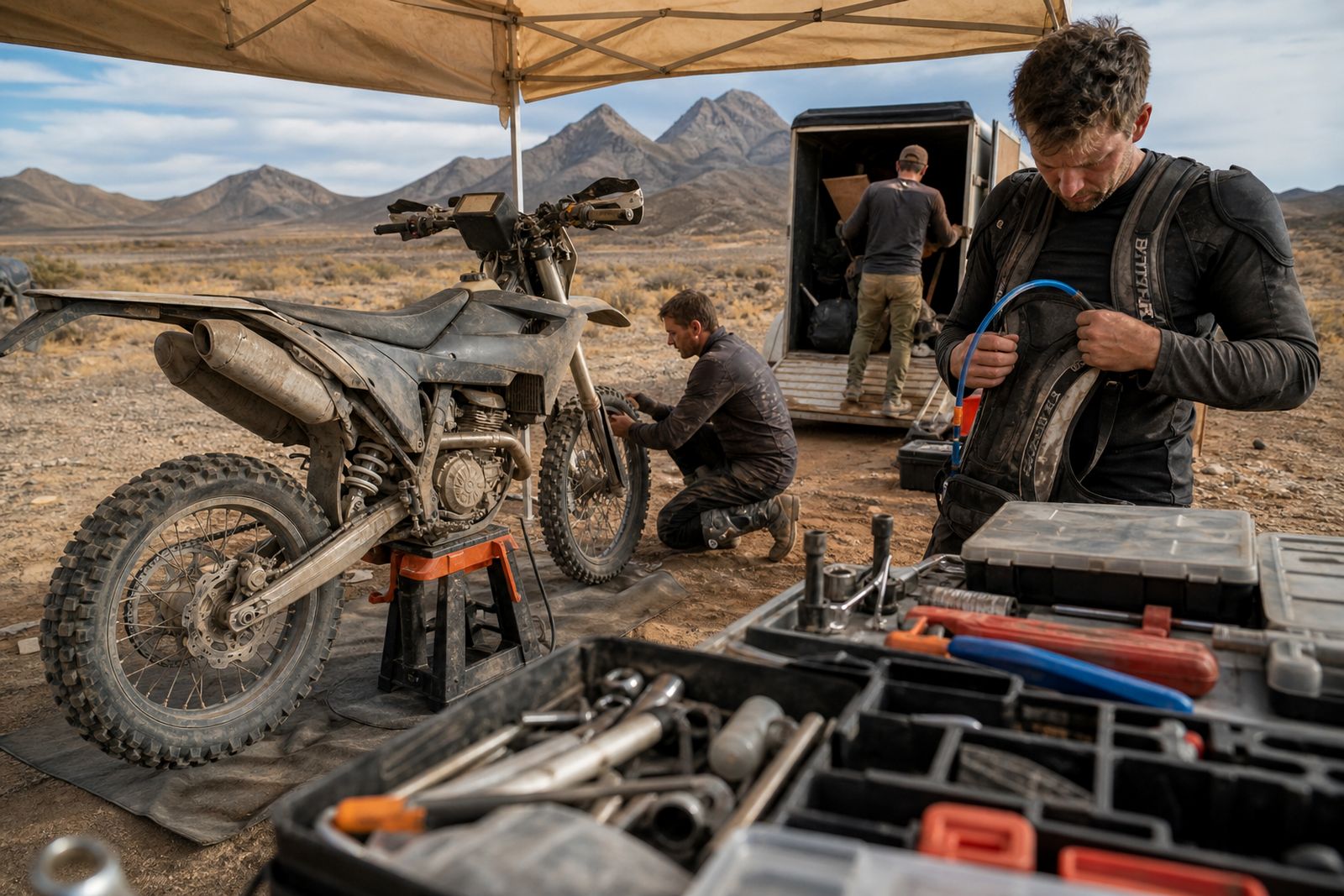
Training pit
Crew movement, tool placement, wheel-change rhythm and repeatable checks all receive attention in this kit, with routines shaped for South African.
Read more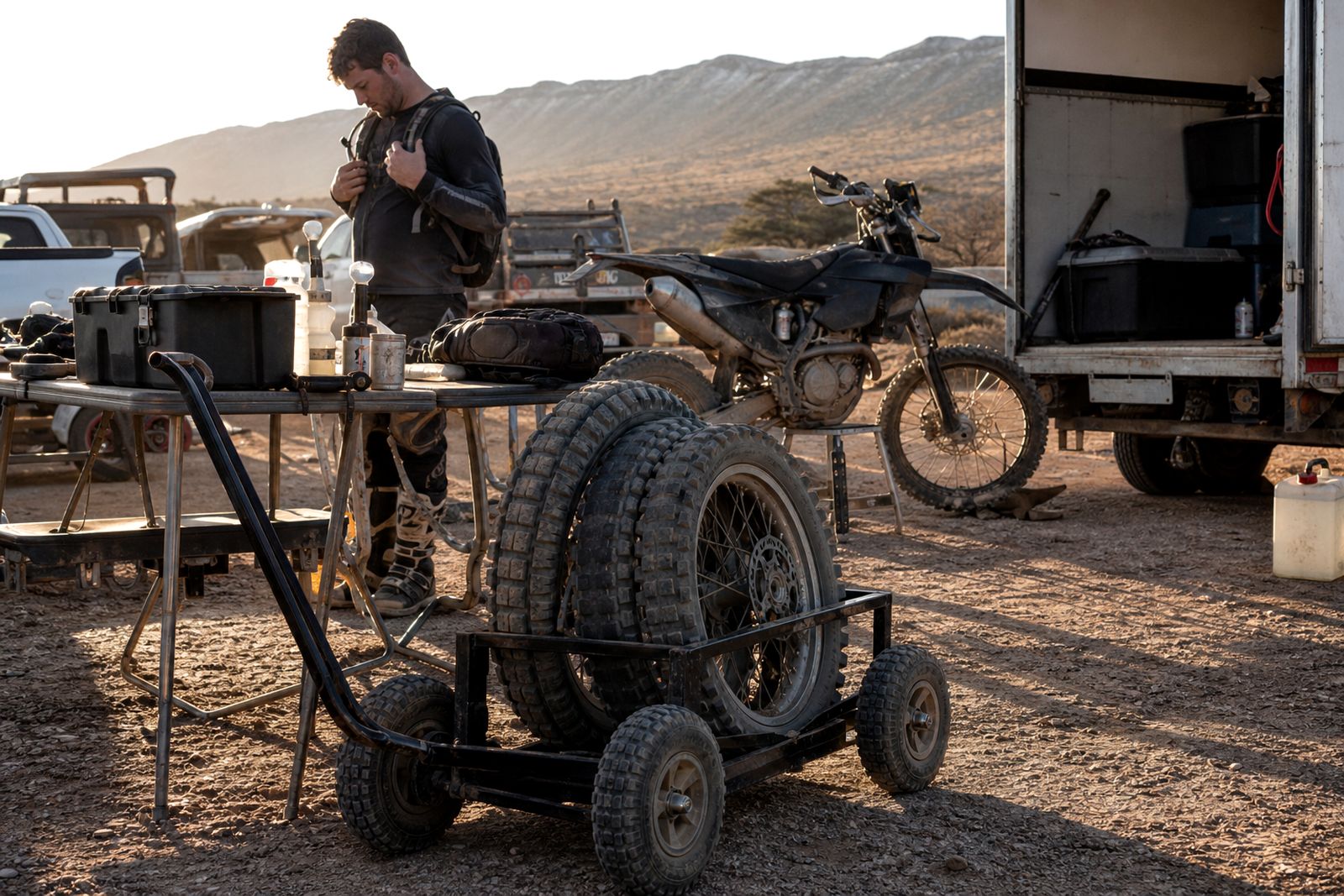
Tyre cart
A cart for moving wheels and tyres through a crowded paddock.
Read moreWhat our Race Prep customers say
Verified Google reviews
Plan your next race weekend
Send a note through our contact form with the event, the bike or vehicle, your class and what still needs sorting, and we will come back with practical kit and prep options and a quote.
Open the contact form