

Radio kit
Radios, headsets and push-to-talk leads for club race days.
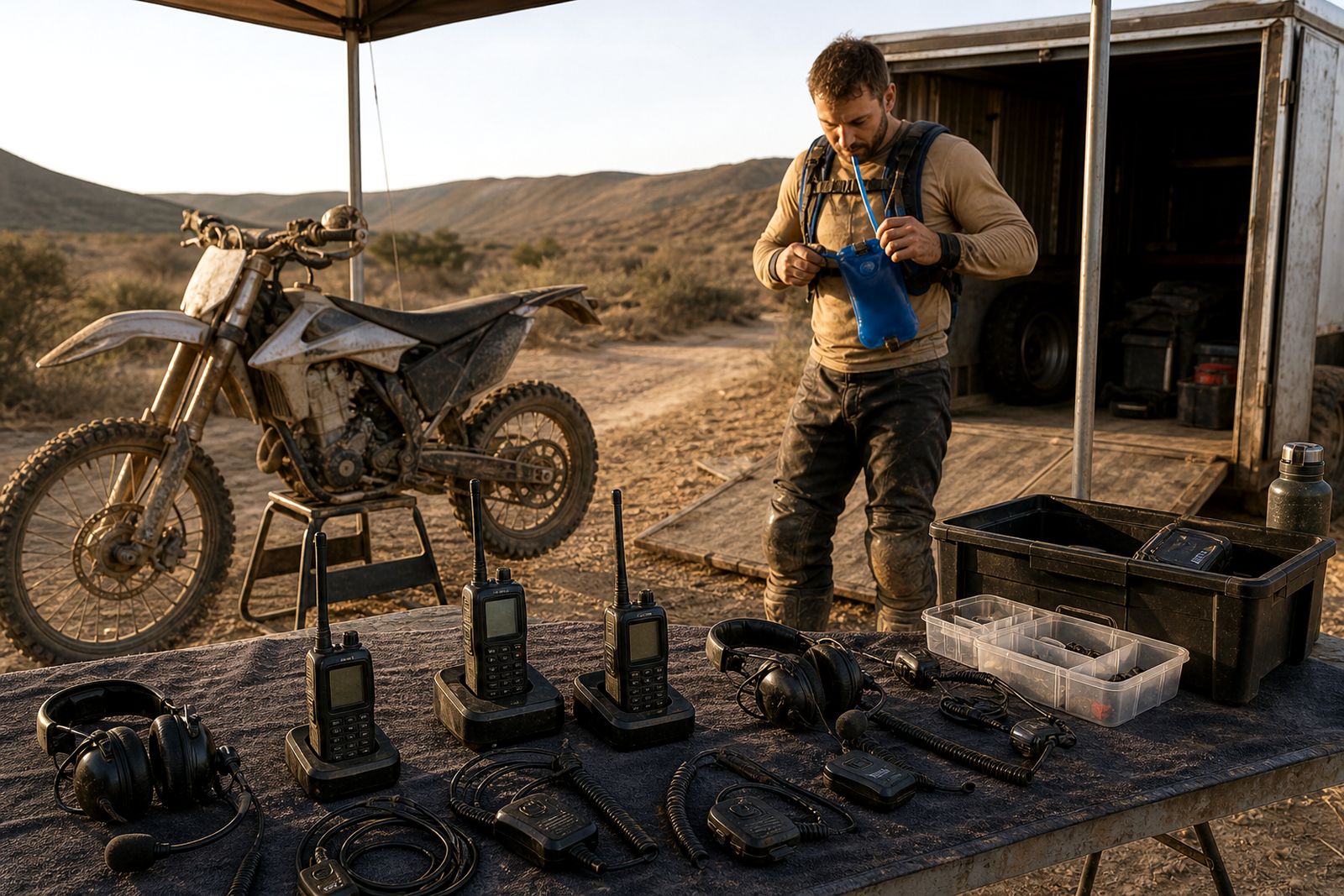
Pit wall to cockpit comms
Clear communication between pit wall, paddock, and the car depends on a practical radio kit setup during a club meeting. Matching the system to the crew’s normal running order helps everyone stay in sync throughout the event.
Identify who needs to hear which messages during the meeting. A sprint race at Killarney needs different radio discipline from an endurance run at Kyalami, and both differ again from a tight club day at Zwartkops. Channel use, headset placement, battery rotation and microphone checks need to fit South African circuits and club support crews.
Pack the handsets where they can be reached without digging through tool bags. Before the first session, test transmit and receive with helmets on, engine running, and at least one crew member standing away from the awning. That quick check often picks up wind noise, loose plugs or a flat battery before the lane opens.
Crew handsets and headsets
A working radio kit usually includes handheld units, charging leads, earpieces or headsets, car-side wiring, and a simple label system for channels and users. Plan where each item lives during loading, who carries the spare handset, and when batteries get swapped. Short comms rules matter just as much as the hardware when several people share one channel.
Set up radio kit with your grid routine and lap logging before bringing in extra gadgets. Check every connector, charger and helmet lead before a kit load heads out, and mark the handsets by role so the wrong unit does not end up in parc ferme.
Three preparations keep crew communications reliable:
- Handsets labelled for pit wall and paddock
- Helmet lead checked with engine running
- Chargers packed with the meeting crate
Radio performance at different circuits
Circuit layouts and trackside conditions can affect radio clarity and battery life. For example, wind at Killarney may interfere with microphones, while Kyalami’s longer layout can highlight weak batteries over extended sessions. At Zwartkops and Aldo Scribante, quick turnarounds make it useful to assign one crew member to check comms between sessions. Even smaller regional events benefit from charged spare radios, clear call signs and a backup plan if one unit fails.
Charging batteries at the circuit requires a routine for battery swaps so radios stay ready for each session. Plugs, charger pins and connectors should be inspected before and after every session, especially after a cold start or morning dew. Wipe down headset foam, push-to-talk buttons and charging ports regularly to keep them working reliably.
Pit wall comms routine
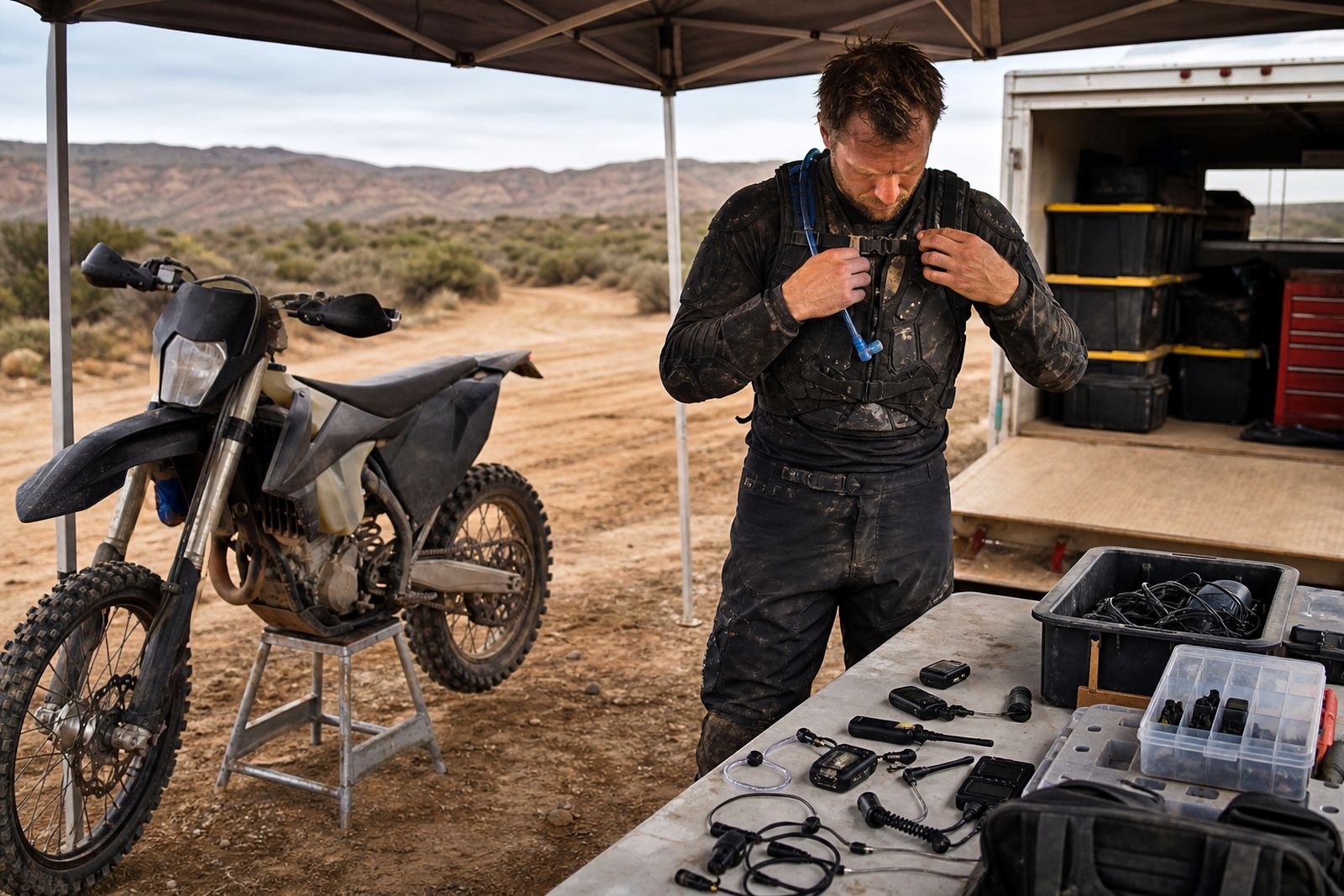
Describe car-side installs, helmet connectors and handhelds in use so any plug or lead mismatch can be spotted early.
Channel allocation, spare battery numbers and notes on any dropout during the day support future meetings. Reviewing these details helps when a car returns for another round, particularly if crew or equipment changes between events.
What our Race Prep customers say
Verified Google reviews
Plan your next race weekend
Send a note through our contact form with the event, the bike or vehicle, your class and what still needs sorting, and we will come back with practical kit and prep options and a quote.
Open the contact form