

Brief Card specs
Specification sheet for brief card.
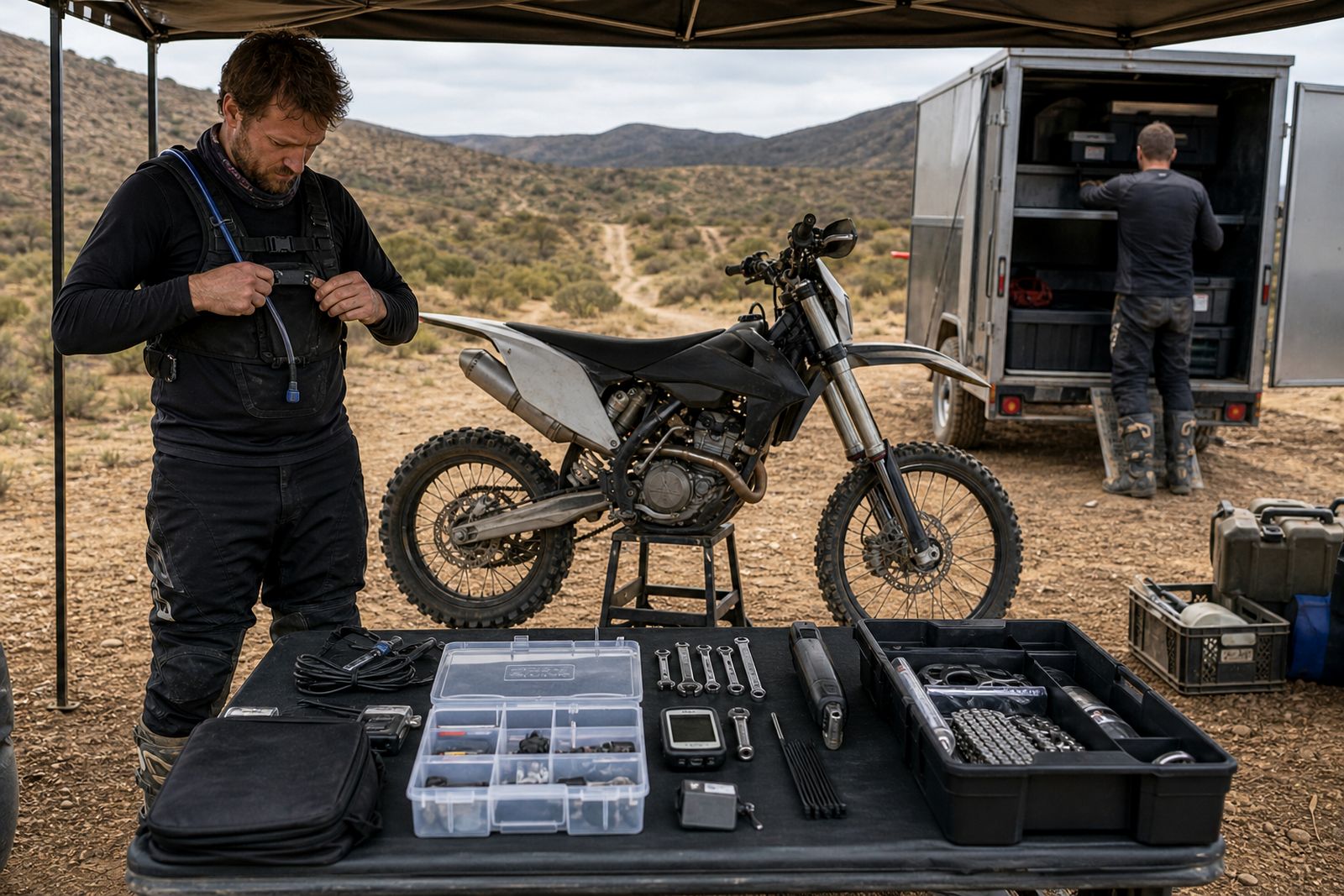
Brief card fit and layout
Teams review fit, layout, and practical details using these specs.
Fit, layout, and card details matter for quick reference during busy club weekends. Include circuit, race class, and figures your crew checks before loading. Card specs cover size, material weight, print finish, and how key numbers are arranged for rapid reading in a noisy paddock. Altitude at Kyalami and wind at Killarney may affect which details your team highlights.
Check where the card will live before you print or laminate anything. Some teams clip it to the trailer door, others keep it on the pit table or cable-tie it inside the toolbox lid, so glare, wind and dirty hands all matter. A quick description of the final card is worth keeping with the event folder for the next round.
Details the card should carry
Quick scanning helps when the card is short but holds enough detail to avoid repeated questions. Car number, series, wheel nut direction, cold pressures, fuel grade, tow points, and socket sizes that disappear under pressure all belong here. Leave space for handwritten changes after scrutineering or a late tyre swap.
If the card stays with the parts box, note where the box is kept and highlight any items that must remain after Bellville dispatch. Updates can be described through the contact form with your car and class details.
A card for a parts box typically includes:
- Card size checked against clipboard
- Large text readable beside the car
- Crew names and numbers listed clearly
Trackside checks for SA rounds
Track requirements call for different paddock card details at Kyalami, Killarney, Zwartkops and Aldo Scribante. Cape venues can send loose sheets flying, while inland glare makes dark print essential. Where cards travel to mixed venues, update only the fields that change from round to round.
Material choice affects how well the card resists oily hands, direct sun, and frequent handling. Laminated finishes help many teams, while rigid plastic sheets hold up when notes change several times a day. Marker pen compatibility matters for quick updates to pressures, fuel load or driver bands.
Before-pack confirmation points
Describe any site details, timing, or previous issues directly on the card for quick reference. Label each request with the route name to help your crew find information fast.
Run one last check on spelling, numbers and visibility before the kit is packed. Confirm that the class, car number, tyre information and emergency contact line match the current entry, not last month’s round. File the finished setup notes so the next event starts from something usable.
What our Race Prep customers say
Verified Google reviews
Also worth a look
Plan your next race weekend
Send a note through our contact form with the event, the bike or vehicle, your class and what still needs sorting, and we will come back with practical kit and prep options and a quote.
Open the contact form