Training week
Planning a training week at the track for club crews.
Training week checks before loading
Training week helps club teams prepare for effective circuit time.
Training week is for sorting the jobs that waste circuit time if they are left too late. Set the class, venue, and session plan first, then check the car against what that track usually exposes, whether that is Killarney crosswinds or Kyalami braking zones.
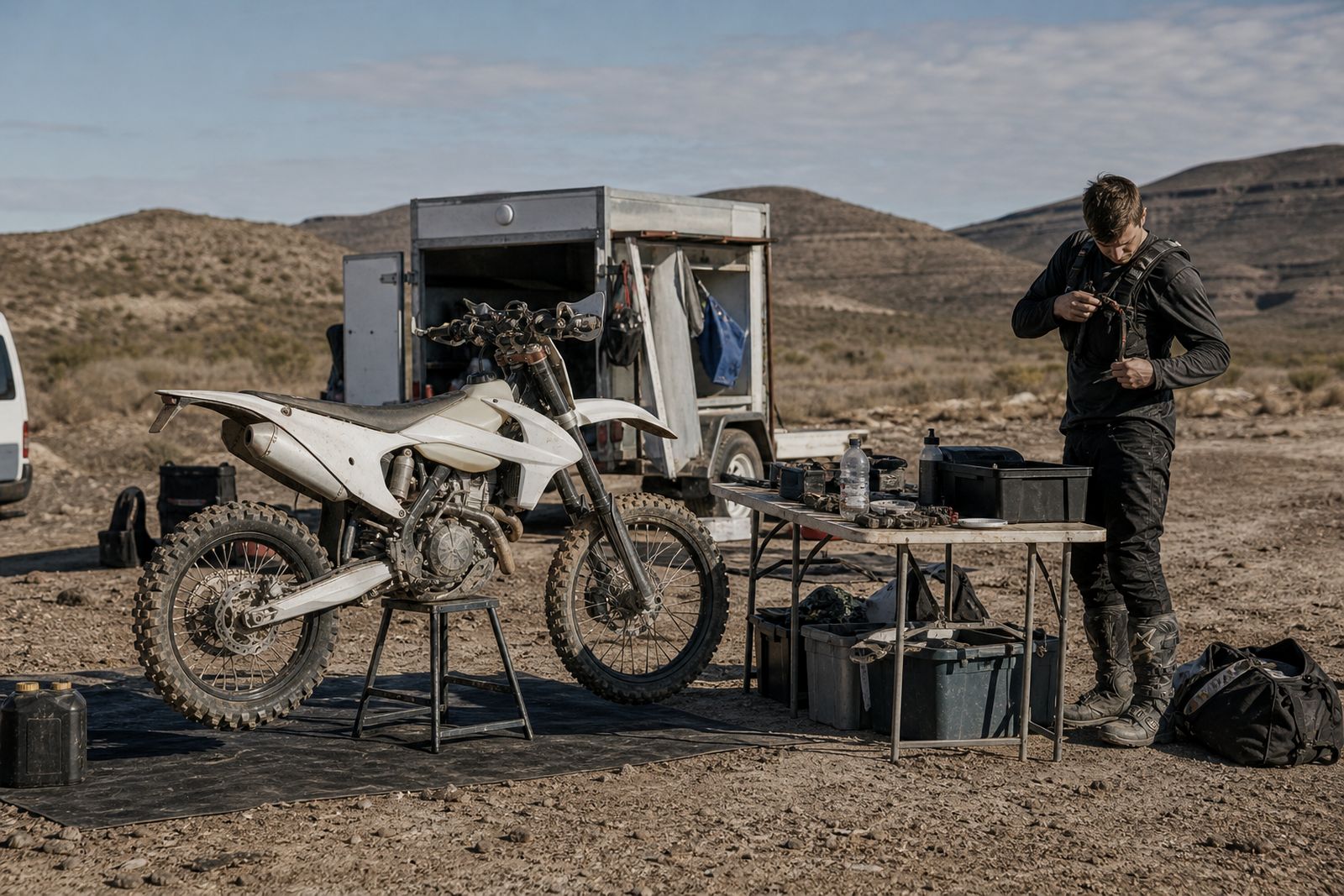
Every item loaded into the trailer and paddock kit should be listed before setting off. That checklist proves its worth when fuel jugs, wheel guns, lights, or spare wheels get moved after a late-night pack. On training mornings, missing a single small item can end up costing a full session.
Trailer pack and pit sheet output
The week sticks to jobs that matter at the circuit, not general workshop chatter. Expect plain references to tyre sets, torque checks, fluids, radios, spares bins, and crew roles for the day. The result is one usable prep sheet that can sit on the dashboard or trailer wall.
Mount the spares list and session plan in a spot visible to the crew so everyone knows what must be done before the vehicle leaves.
Tasks and checks for trailer loading and pit-sheet setup:
- Workshop jobs ranked before loading
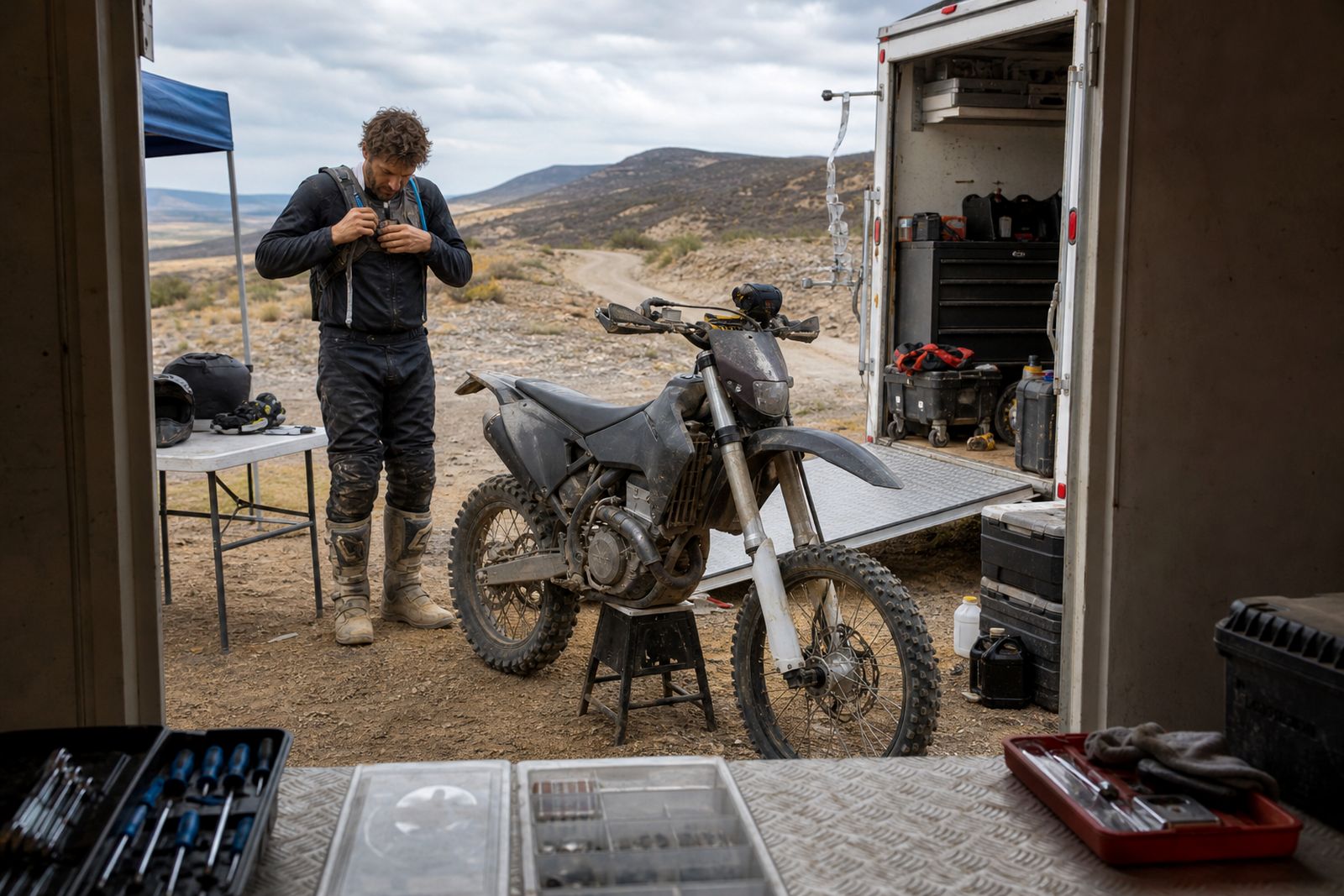
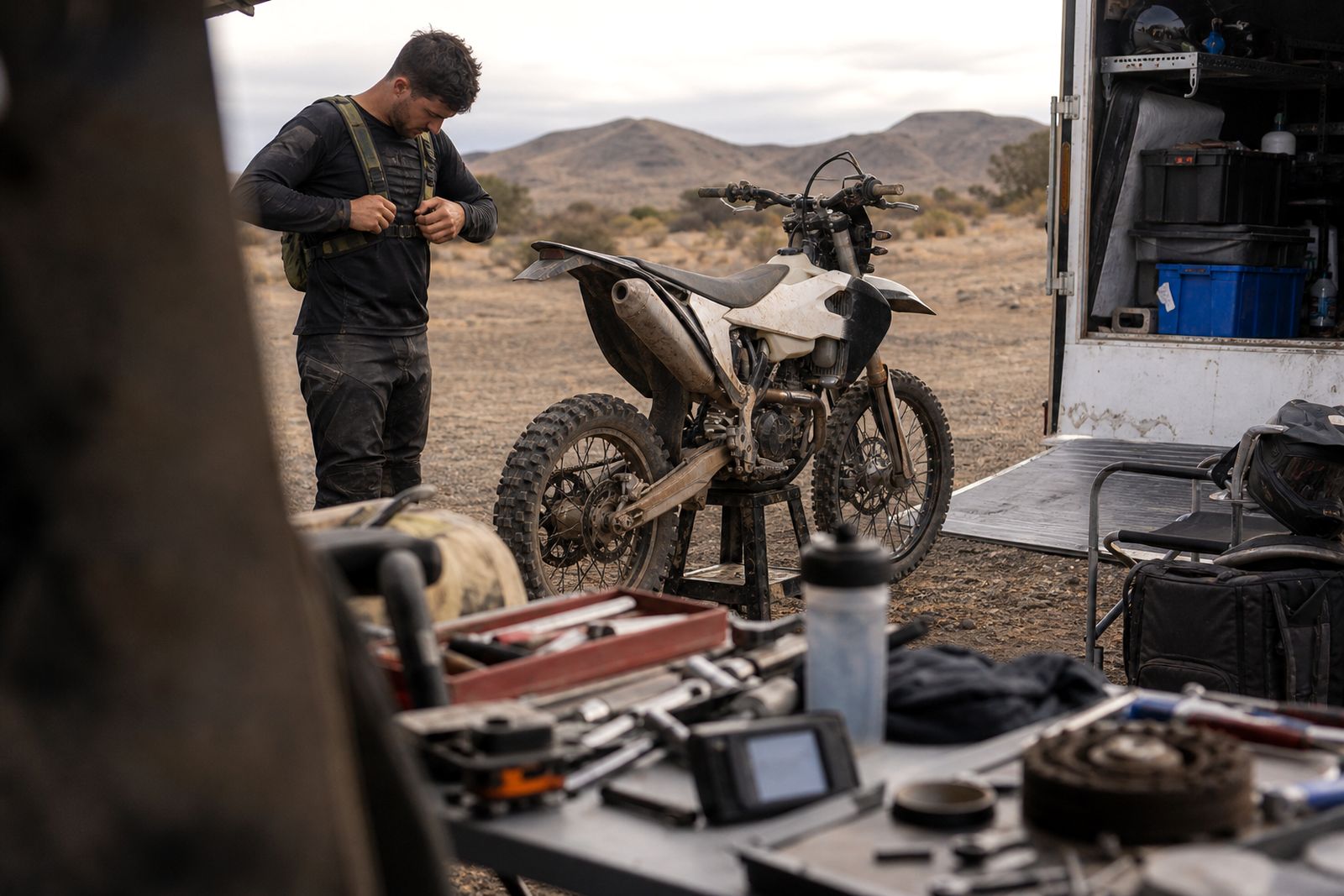
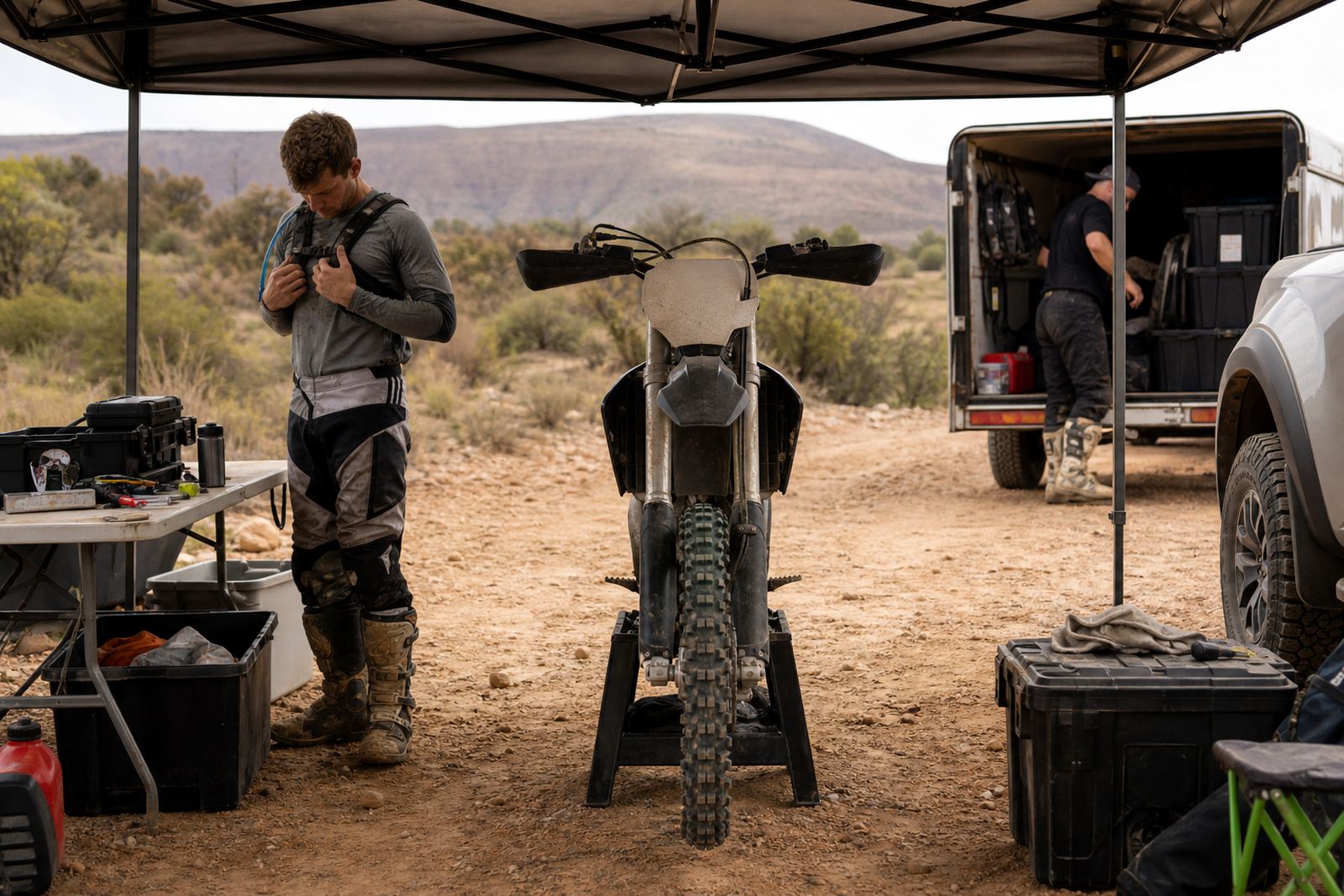
- Trailer pack checked by describing the items loaded and their placement
- Define each crew member's roles for the day
- Detailed notes on trailer contents and item locations assist the crew in tracking loaded gear and finding equipment quickly during the day
Variables that affect training prep
A training day can start cool, warm up by midday, and end with a late pack-up. These shifts influence tyre pressure logs, brake checks, hydration, shade for the crew, and the number of extension leads or battery chargers to bring. Prioritise safety and mechanical checks at the track; less urgent jobs can wait until the team returns to their regular workspace.
Second inspections help catch issues with open-air bins, electrical plugs, and any equipment left outside overnight, especially at venues with strong winds. Radios, jump packs, torque tools, and tyre gear all need to be charged and checked in advance.
Details worth sending for training week
Session format details, if available, should be included along with a written description of the current workshop setup, any visible damage, and which wheels or tyres are planned for the day. Mention any issue from the previous outing, such as brake fade, overheating, or a radio fault. Clear information here leads to a more useful paddock note than a quick message asking for a general once-over.
Inspection records completed before departure give the driver, mechanic, or organiser a clear account of what has been done. As the rig sets out for the circuit, the note outlines what is packed, what is fitted, and what still needs attention.
Also worth a look
Plan your next race weekend
Send a note through our contact form with the event, the bike or vehicle, your class and what still needs sorting, and we will come back with practical kit and prep options and a quote.
Open the contact form