

Spare logic
Pack fast-moving spare parts based on failure risk, not just by shelf space, for better club race preparation.
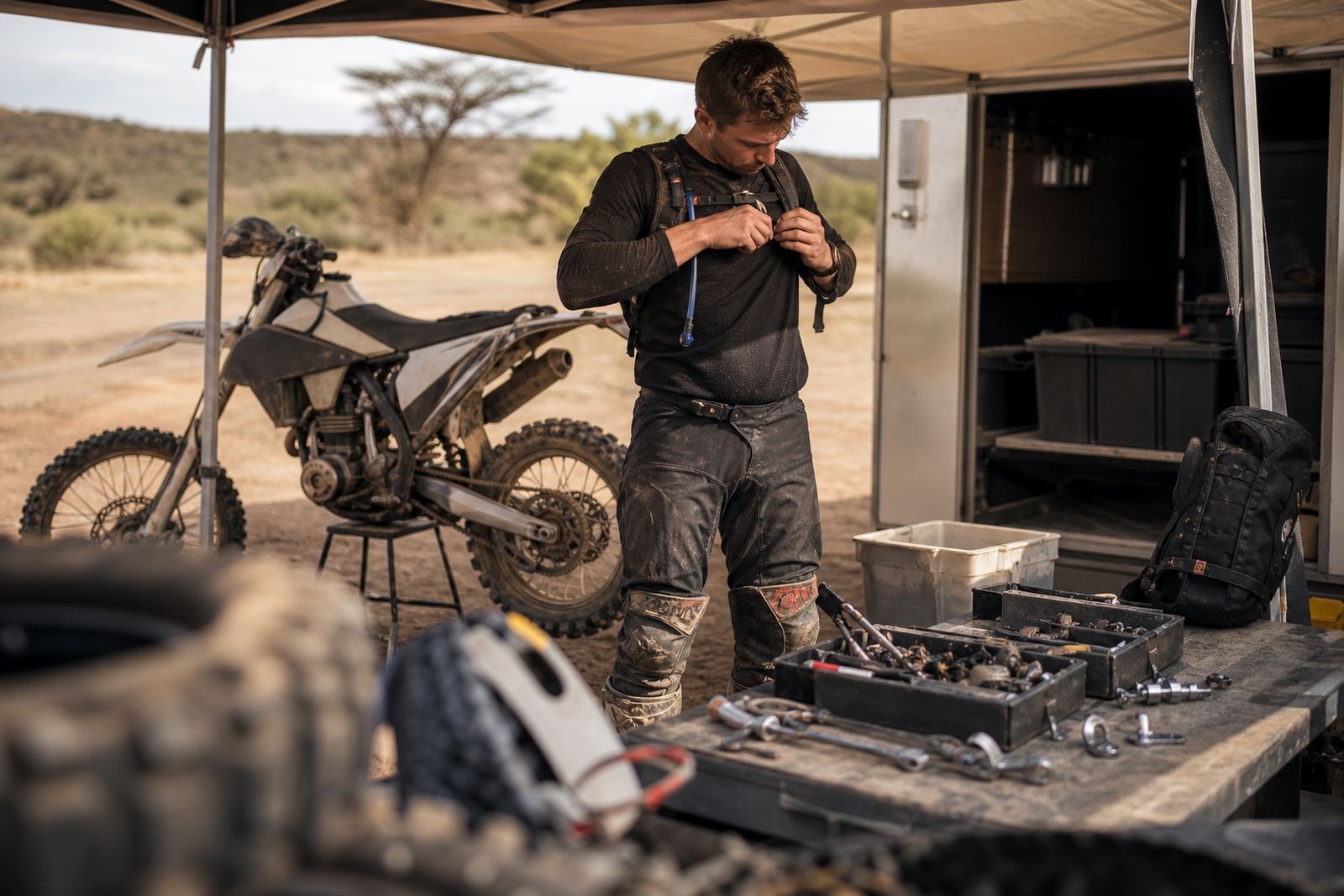
Failure-risk packing order
Fast-moving spare parts should be packed according to failure risk rather than available shelf space.
Carrying the wrong items, doubling up on cheap basics, or forgetting the one bracket that rarely fails until race day are the usual causes of spares problems, not an empty crate. Building a reliable list for the paddock means applying clear logic to what goes in. Teams need to focus on actual risks and real usage patterns.
Workshop logic guides what actually gets used up or bent at club meetings in Gauteng, KwaZulu-Natal and the Western Cape, from wheel studs and rod ends to clips, relays and spare sensors. Mentioning the class and circuit helps match the packing logic to the weekend’s needs.
Packing order for high-risk components usually follows this sequence:
- Class and circuit information listed first
- Current bin or trailer summary
- Marked parts positions for quick access
Alongside the rest of the race-prep notes, spare logic serves as the inventory-planning piece. Deciding which items stay at hand in the paddock crate, which ride deeper in the trailer, and which can remain at the workshop makes a difference when sessions are tight and hands are dirty.
Club-weekend packing decisions
Fast-moving items should be placed where they can be reached quickly when a club weekend gets hectic.
Each round brings different weak points. Killarney often pushes wheel-bearing checks after kerb strikes, while Zwartkops and Kyalami see hoses, connectors and brake consumables tested by repeated hard laps. When space is tight, prioritising the most likely failure points helps avoid wasted supplies and missed fixes.
Placing fast-moving items where one person can grab them between sessions, such as cable ties, brake fluid, split pins, fuses, hose clamps and common fixings, usually stops the rummaging that eats into crucial turnaround time.
Crew sheet
Sorting spares by failure pattern and race-use priority helps streamline the packing process. Naming items plainly, stating where they should live, and flagging what deserves duplication for a club weekend keeps things clear.
Trim the spares list to match the car’s actual needs. Packing is easier when bins are labelled by system instead of whichever shelf was empty last week.
Crew packing priorities focus on failure risk and crate checks:
- Parts sorted by failure likelihood
- Grab crate checked before loading
Travel and circuit factors
Trip length shapes how much gets packed. Fewer duplicate heavy parts may be needed for Kyalami than for a longer journey to Aldo Scribante. Extra attention to electrical reliability and gear protection sometimes becomes necessary depending on the venue. Separating must-carry items from those left at the workshop helps keep weight and space manageable.
Longer trips may require extra terminals, reliable dry storage, and a review of what should be loaded for each event. At some inland venues, air-filter service items, visor cleaning supplies, and added protection for connectors become more important. Adjust the packing list for every event to keep essentials close and avoid hauling unused extras.
Parts briefing before loading
Pack fast-moving spare parts by failure risk instead of shelf space to improve efficiency.
Complete the spare logic sheet while the last event is still fresh. Note what was used, what nearly ran out, and which untouched items wasted crate space all weekend. Using these records gives the next packing job a proper baseline instead of another guess.
What our Race Prep customers say
Verified Google reviews
Also worth a look
Plan your next race weekend
Send a note through our contact form with the event, the bike or vehicle, your class and what still needs sorting, and we will come back with practical kit and prep options and a quote.
Open the contact form