Sign-off mail
Passing on clear event details helps drivers, crew and transport teams work from the same facts.
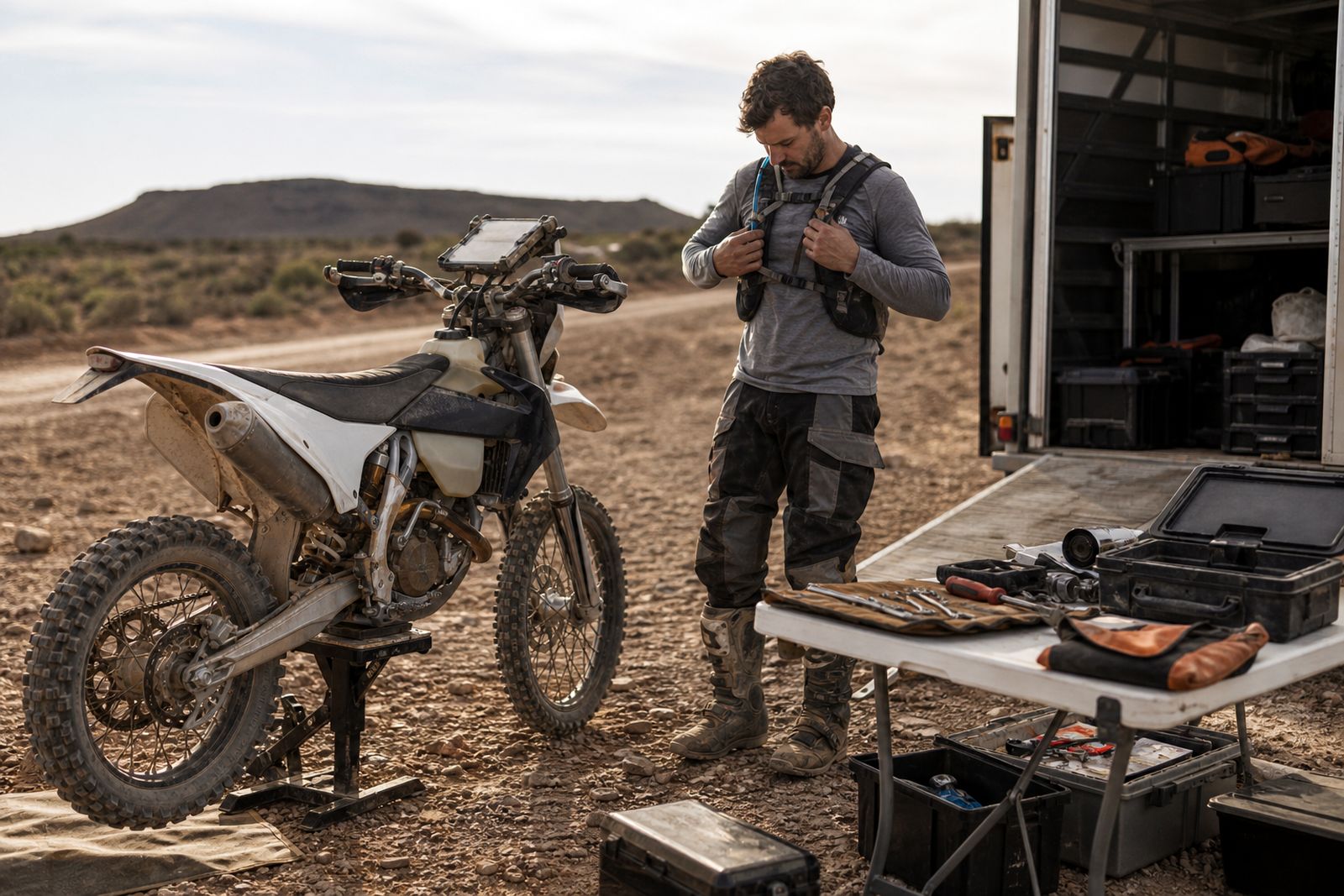
Details checked before send-off
Passing on clear event details helps drivers, crew and transport teams work from the same facts.
Race weekends often go skew when details are half-spoken and half-remembered. Without a clear note on tyre status, fuel level, faults and the next job, the evening crew inherits a puzzle. Communicate clearly with your team by following these sign-off mail steps.
When a car leaves the workshop and several people need identical information, Sign-off Mail keeps everything together. Listing circuit, class, departure time, trailer contents, fuel level, tyre positions and any unresolved faults ensures every team member sees the same facts.
Four details always checked before a team leaves for circuit:
- Circuit gate and arrival time
- Tyre set, cycles completed and pressures noted
- Tow vehicle, trailer and file links added
- Driver, crew lead and transporter named
Pick the prep steps and paddock kits that match your meeting before starting. It records who is taking the car, what still needs doing, and which parts travel with it. That stops the first paddock conversation from becoming a hunt for missing details.
A tidy race week
One event note keeps driver, crew and transport working from the same details. It should carry the meeting details, arrival plan, key crew names and any changes that matter once the trailer starts moving.
Each message should open with the meeting name, circuit and class so nobody confuses a Kyalami day with a Zwartkops round. After that, highlight pressure points such as a late alignment, a noisy wheel bearing, wet-weather tyres or a Friday arrival in Bellville. Pace can change quickly when weather, traffic and courier timing all affect the plan.
Listing loaded-trailer items before the tow vehicle leaves helps prevent confusion. When jacks, fuel drums, awning, wheels and logbook appear in the note, the next crew can confirm what arrived at the circuit. Many Friday-night calls start because one small item was assumed, not written down.
Event sign-off in each mail
Event sign-off notes should deliver clear jobs for each crew, with plain wording for faults, settings and next actions. A message brief enough for a paddock scan, yet detailed enough to answer key questions, makes the next shift work.
Once the event grows beyond one car and one driver, share the sign-off mail with everyone involved. Checking that the message lists contacts, spares, wheel nuts, transponder and fuel plan before a Bellville dispatch heads to the circuit prevents confusion.
A clear event sign-off mail should include:
- Jobs split between workshop and paddock
- Load check captured before departure
- Key contacts grouped in one message
Event variables worth naming
Good event sign-off in South Africa must account for circuit access, road distance and workshop timing. Kyalami travel can eat half a day, and Zwartkops can demand quick turnarounds between sessions. The mail should separate completed work from work still pending before wheels touch the road.
When finalising your checklist, add brake storage and connector checks after loading. For circuits where visibility or air quality may change, include filter and visor pack checks. Listing these items helps avoid last-minute confusion once the trailer is parked in the paddock.
Recording transfer points
Write the event sign-off on the same day the final workshop checks happen. Include setup changes, spares taken and any fault still under watch so the team owner can trace what changed over the weekend. That record also helps when the car returns and the next job list begins.
What our Race Prep customers say
Verified Google reviews
Also worth a look
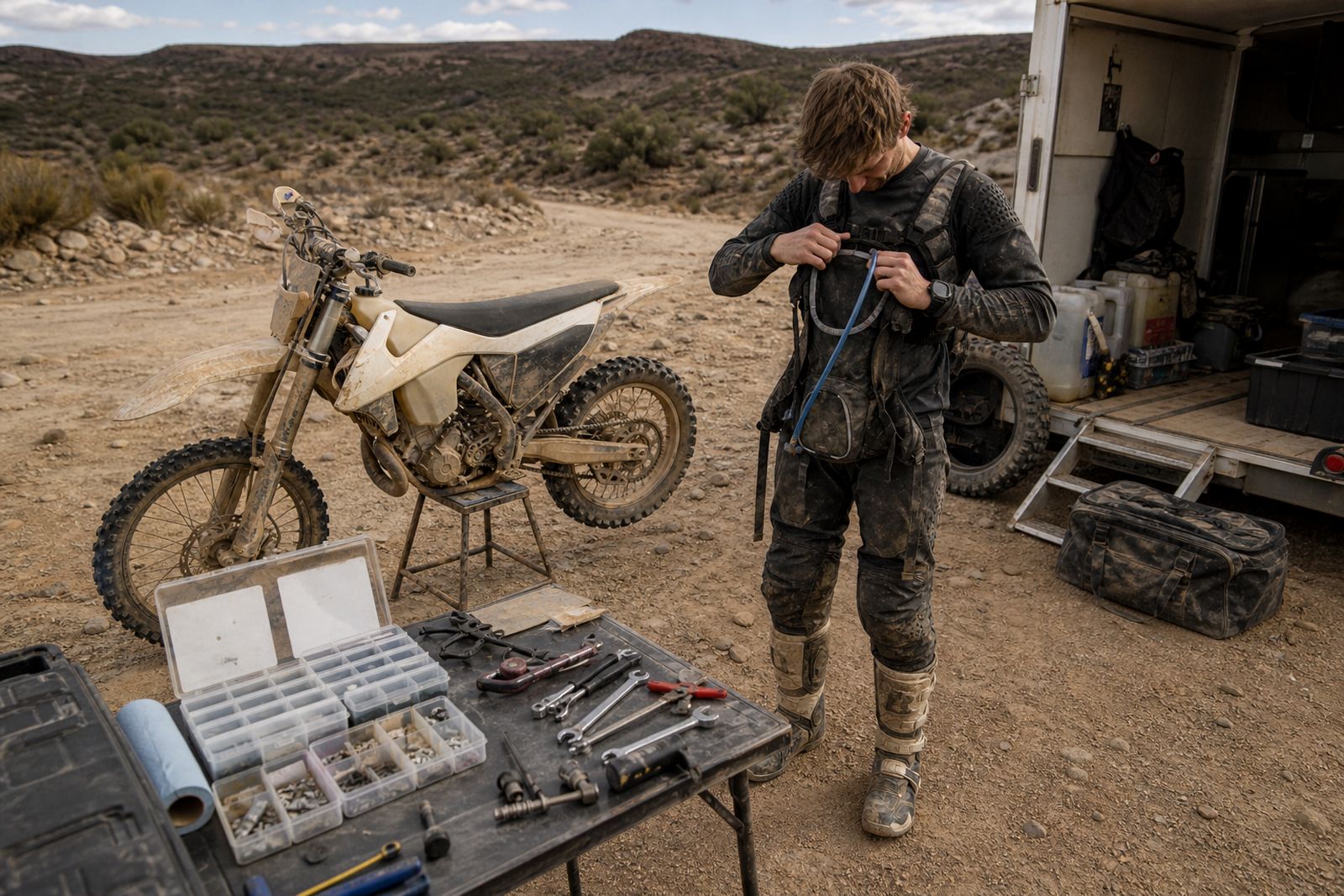
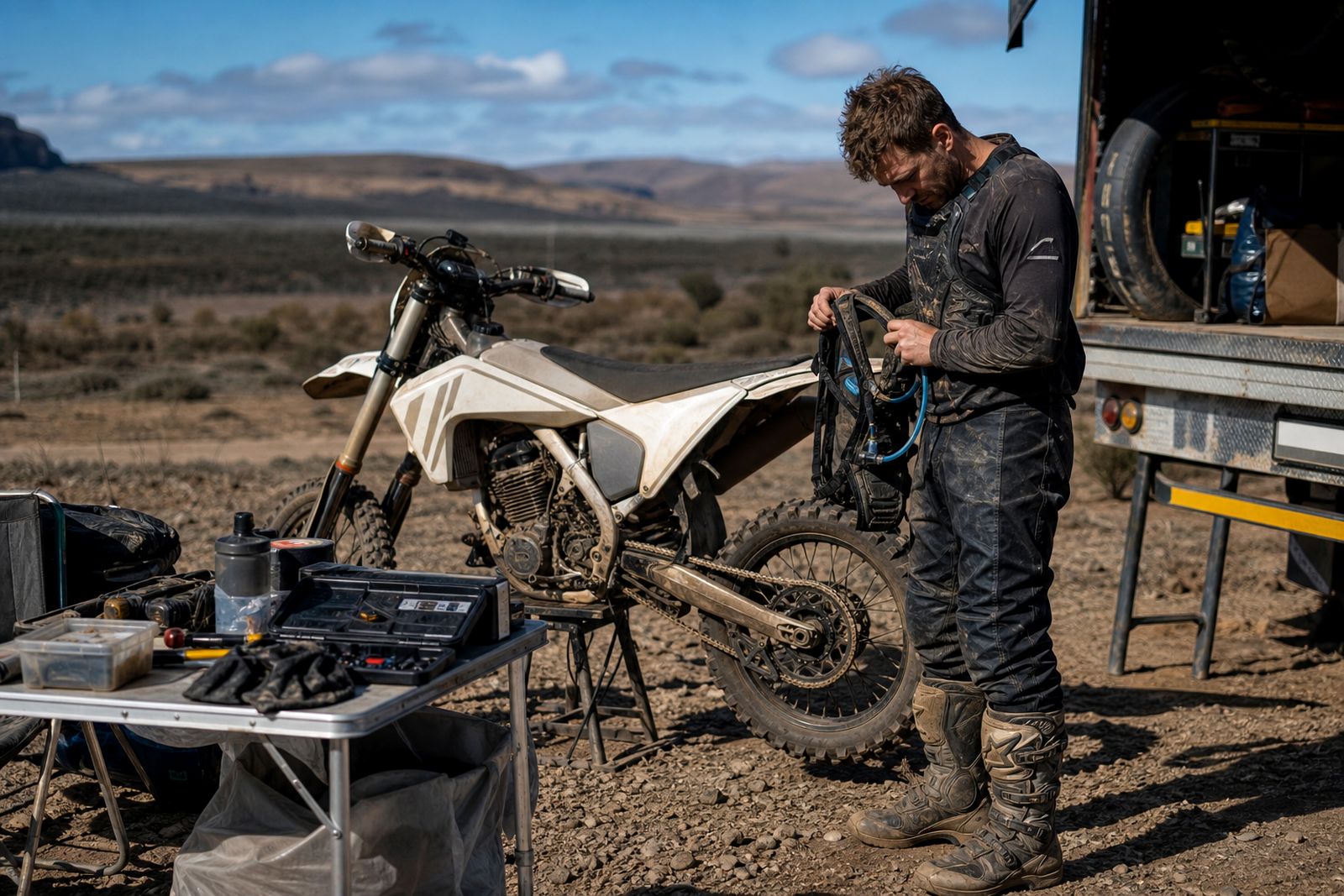
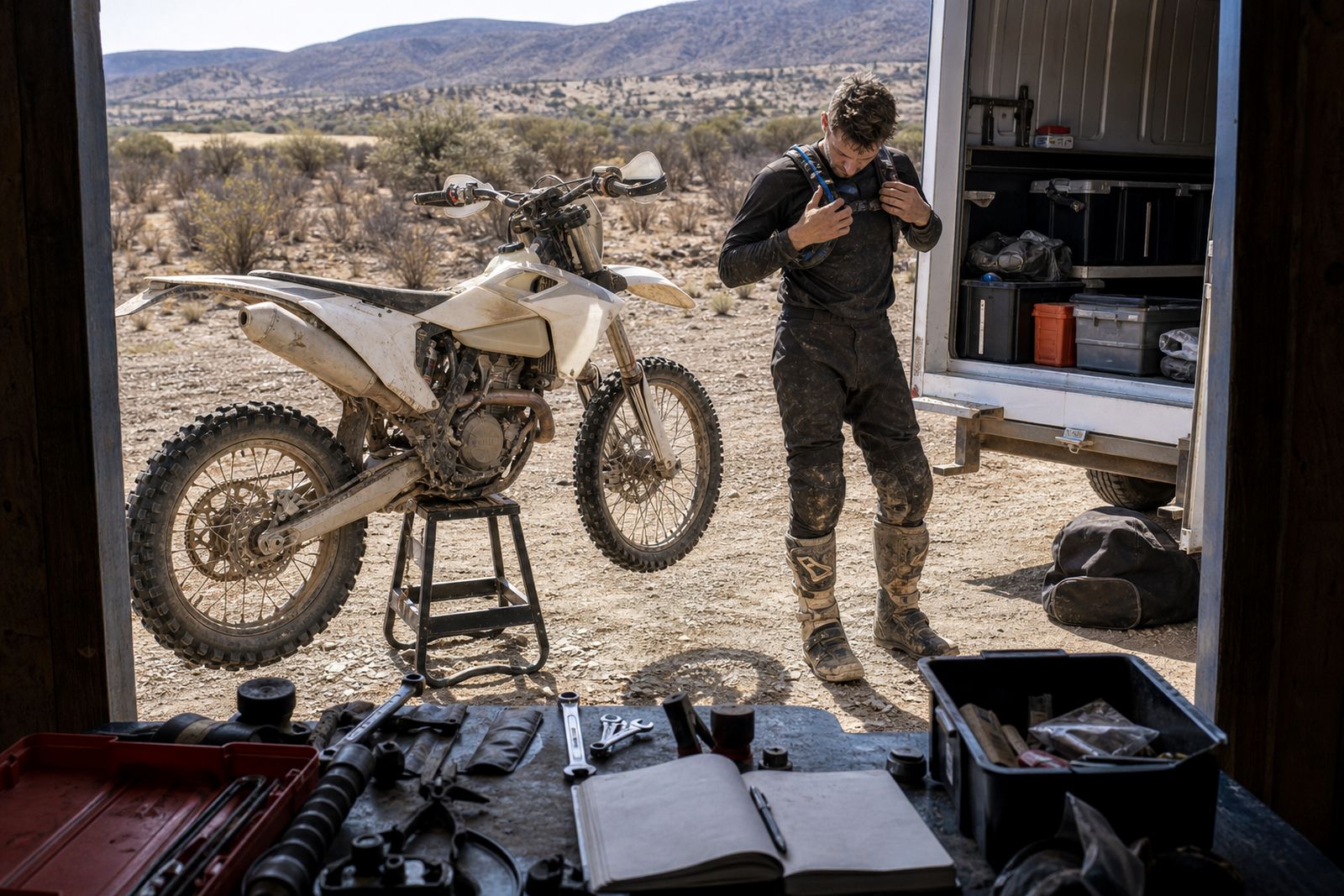
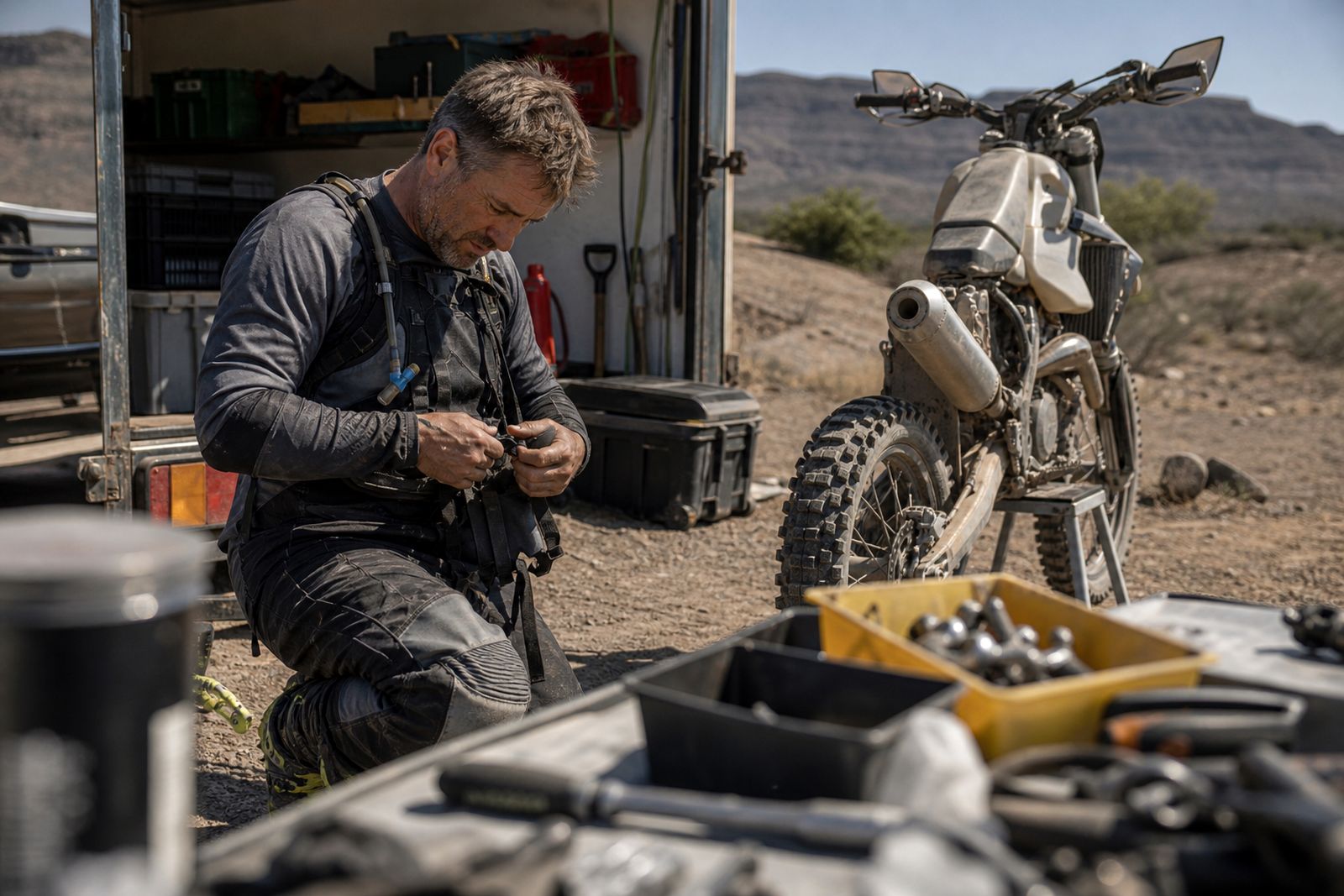
Plan your next race weekend
Send a note through our contact form with the event, the bike or vehicle, your class and what still needs sorting, and we will come back with practical kit and prep options and a quote.
Open the contact form