

Paddock power points
A simple paddock note on power windows, generators and charging points for teams running from temporary pits.
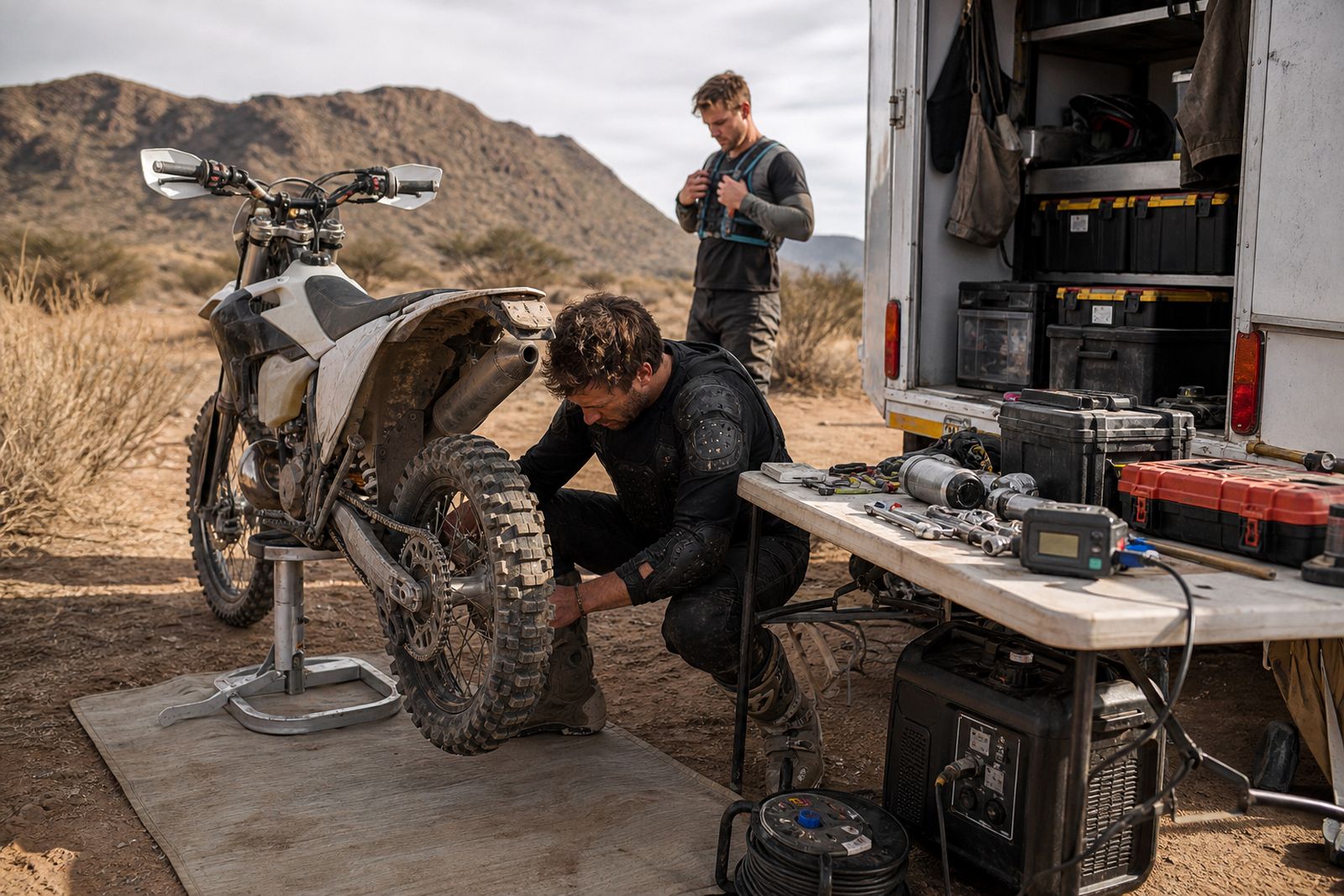
Generator load before first session
Power management at a circuit involves more than just plugging in equipment. Consider where chargers connect, how shared appliances affect the supply, and which tools can operate without overloading the generator. Plan current use, charging times and tool operation to keep the paddock functioning smoothly.
Monitor charger scheduling, appliance usage, lighting needs, and extension lead placement in working areas across major circuit regions.
Power setup for the first session requires attention to:
- Generator size matched to chargers
- Lead reel route clear of jacks
- Charging point marked for radios and tools
- Crew member assigned to power checks
Review trailer packing and layout of the working area before heading out. Power planning is only effective if chargers, work lights, fans and kettles are listed and counted before leaving the workshop. Overlooking a single item at this stage often results in a tripped supply once at the circuit.
Power draw across a race day
Temporary pits, awnings and support spaces need generator, charging point and cable runs matched to the gear on hand, especially with a basic circuit setup.
Start by listing the available circuit supply, then note every device the team will use. Garage setups at Kyalami, working areas at Killarney, awnings at Zwartkops and smaller club layouts each offer different plug types and shelter. This affects generator placement, extension lead lengths, and the timing of battery charging to avoid disrupting other tasks.
Morning power use often differs from the lunch break or final session. Chargers, tyre tools, radios, laptops and a kettle can overload a small supply if they run at once. Paddock power points helps teams decide when to run high-draw items so the working area stays ready while the car is on stands.
Temporary pits power sheet
Every completed note lists each power point, the equipment connected to it, and the periods of highest demand. Cable runs, plug adaptors, spare fuses, and pre-checks for a clear working space also appear in the record. Deciding what must run immediately, what can wait, and which items should be separated onto different circuits prevents overloads during busy sessions.
Pack generator fuel, multi-plugs, extension leads and battery chargers according to the checklist before departure from Durban or Bellville.
Power supply arrangements for temporary pit setups include:
- Load plan matched to actual equipment
- First cable check done before scrutineering
- Named power points for team use
Track layout and timing affect power supply
Battery charging times at Kyalami may shift with event schedules, both before departure and after arrival. Gear movement or cover adjustments at Killarney sometimes leave plugs exposed, while Zwartkops often demands rapid battery recharging between sessions. Organised charging plans for both the workshop and trackside reduce the risk of missed steps.
Power checks around Gqeberha, Cape Town race kit planning and Gauteng must ensure plug safety and terminal condition. If load-shedding disrupts the plan, radios, starter packs and cordless tools should be charged before the trailer leaves.
Charger and lead review
Update the power note on the same day while the paddock setup is still fresh. Record which charger tripped, which socket managed the load, and whether the generator supported lights, tools and battery charging together. This information gives the team a reliable reference for the next club weekend.
What our Race Prep customers say
Verified Google reviews
Also worth a look
Plan your next race weekend
Send a note through our contact form with the event, the bike or vehicle, your class and what still needs sorting, and we will come back with practical kit and prep options and a quote.
Open the contact form