Photo angles
Which car photos to take before and after a session.
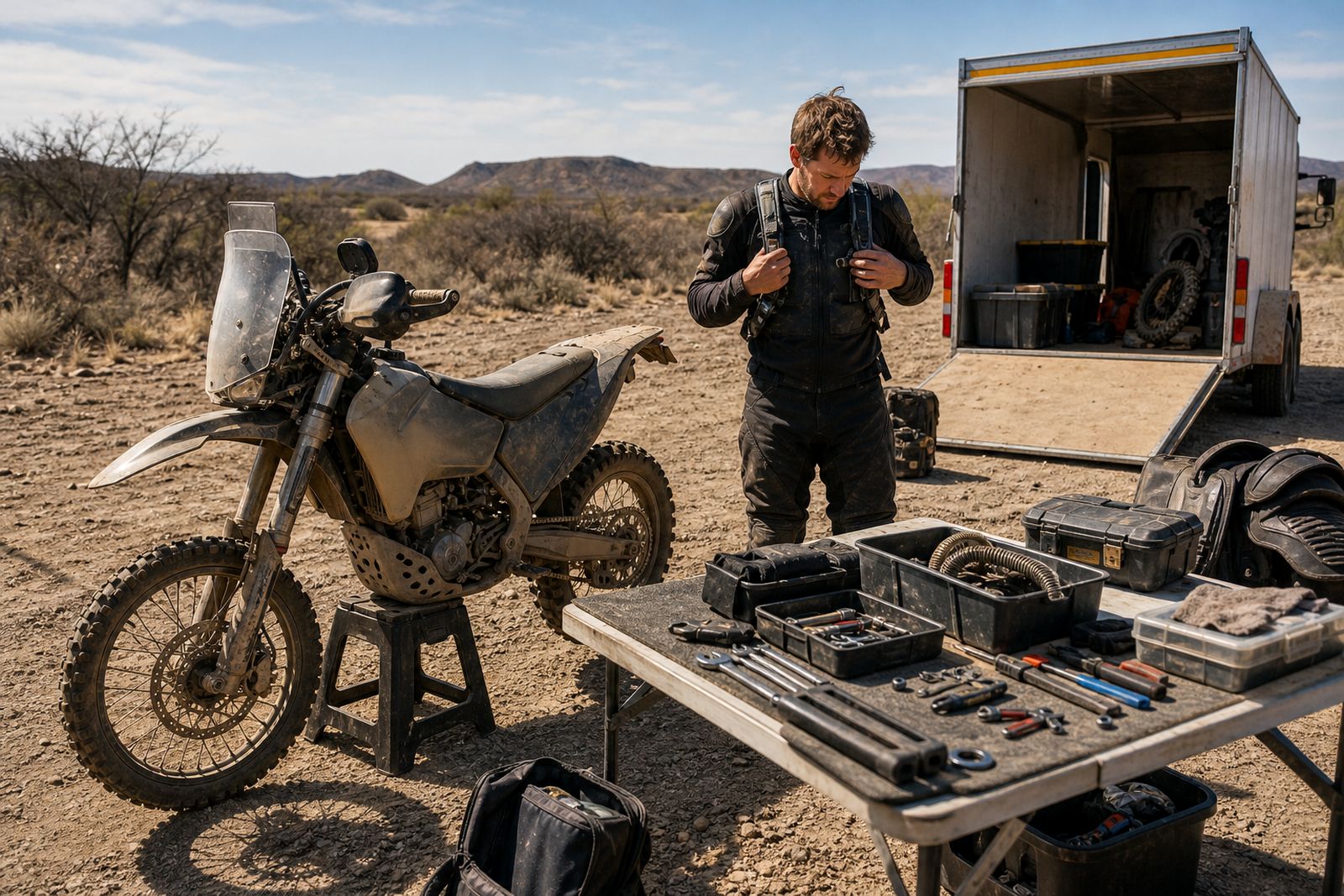
Trailer shots worth taking
Key setup details are best recorded by taking car photos from several important angles ahead of first light.
Bad photos cost time in race prep. A blurred crack, no wide shot of the damaged corner, or no part number in frame means the whole chat starts again. Paddock pictures should help the next decision.
Pictures used by crews at the circuit provide more value than gallery shots. Views that highlight damage, panel fit, tow points, wheel clearances and loaded spares all in one frame help with quick decisions, whether the car travels to Gauteng, KZN or the Western Cape.
Angles and details to capture at the trailer:
- Front three-quarter with both tow points visible
- One sharp close-up of any crack or rub
- Folder named by circuit, date and car
- Driver or crew member included in the frame notes
Event notes can be described alongside your own photos to keep a clear record of what has changed, what is packed, and what still requires checking before the trailer leaves. Later crews can follow these descriptions to see what was completed and what remains.
Kyalami and Killarney shot list
Take car shots that are actually useful before a race meeting. Good angles help a team confirm livery, body panels, tow points and loaded kit without relying on memory once the trailer doors are shut.
Daylight and level ground show panel gaps and ride height more accurately in car photos. On some circuits, faded or dirty aprons can make it harder to spot small marks or sticker edges, especially on darker paint. Wiping the nose, sills and number board before shooting often prevents a second round of photos.
Take the full walk-around before tie-down straps go on and before loose wheels block the side view. Then add the engine compartment, boot area, wheel close-ups, windscreen banner, and any scrutineering items the team may need to prove at the next stop. Phone flash helps under awnings, but step back first so the whole corner stays in frame.
Useful frames for race morning checks
The right angles answer common paddock questions about front corners, rear corners, side profile, dash, belts, extinguisher mount, tow straps, wheel nuts, and the kit packed with the car.
Storing photos with the event helps keep records clear before other notes are added. Part labels, spare wheels and loaded kit need to be clearly visible in at least one set of images before the trailer departs.
Angles that help document car and kit loading include:
- Angles matched to inspection and loading
- Wide car shot taken before wheel changes
- Notes tied to named photo folders
Circuit differences that shape your shot list
Photos from Aldo Scribante may not cover every detail needed at other venues. Certain circuits make it important to record seal edges and storage boxes, while others require clearer shots of filters, radiators and exposed connectors after loading.
Morning fog, harsh noon light and workshop shadows can all hide the detail a crew needs later. Number plates, class decals, tyre codes and small stress marks need straight-on photos, not dramatic angles from knee height. Charge lights and phones early so the image set is complete before evening packing starts.
Event folder photo order
Sorting pictures in a consistent sequence speeds up trackside checks. Wide exterior views come first, followed by damage points, cockpit, engine area, boot or spares area, and then the loaded trailer or bakkie. That order makes it easier to answer questions about the car's condition before departure.
What our Race Prep customers say
Verified Google reviews
Also worth a look
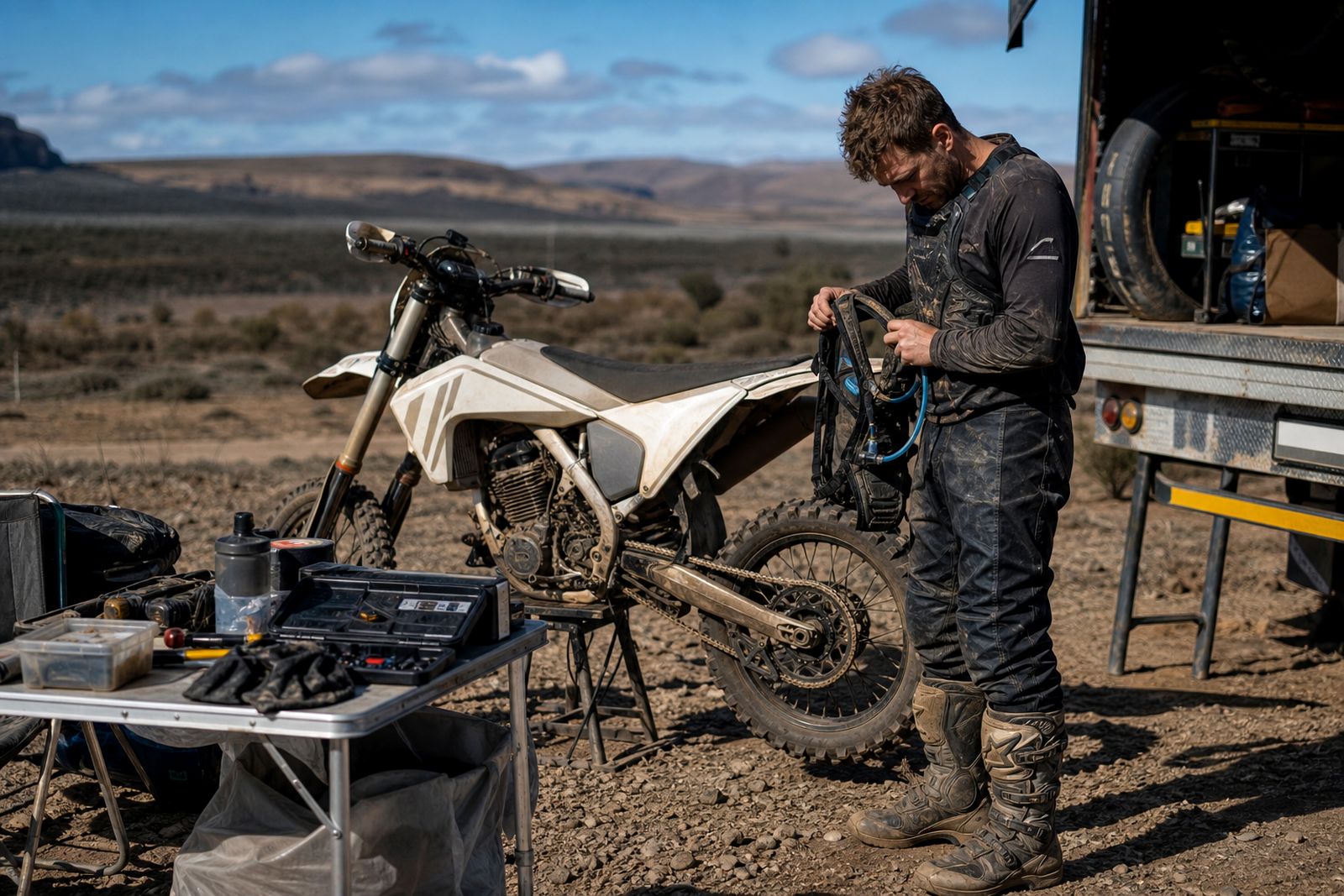
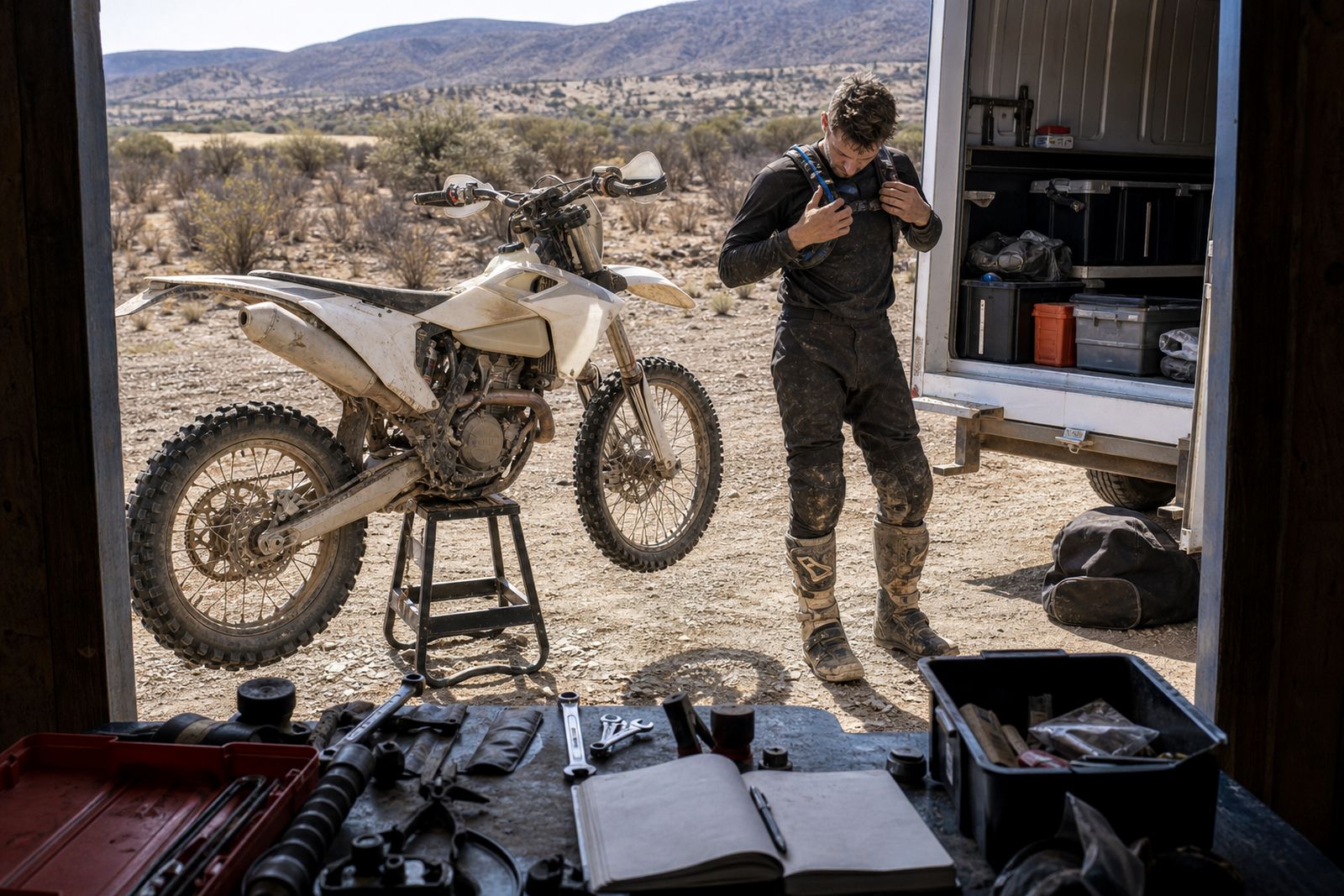
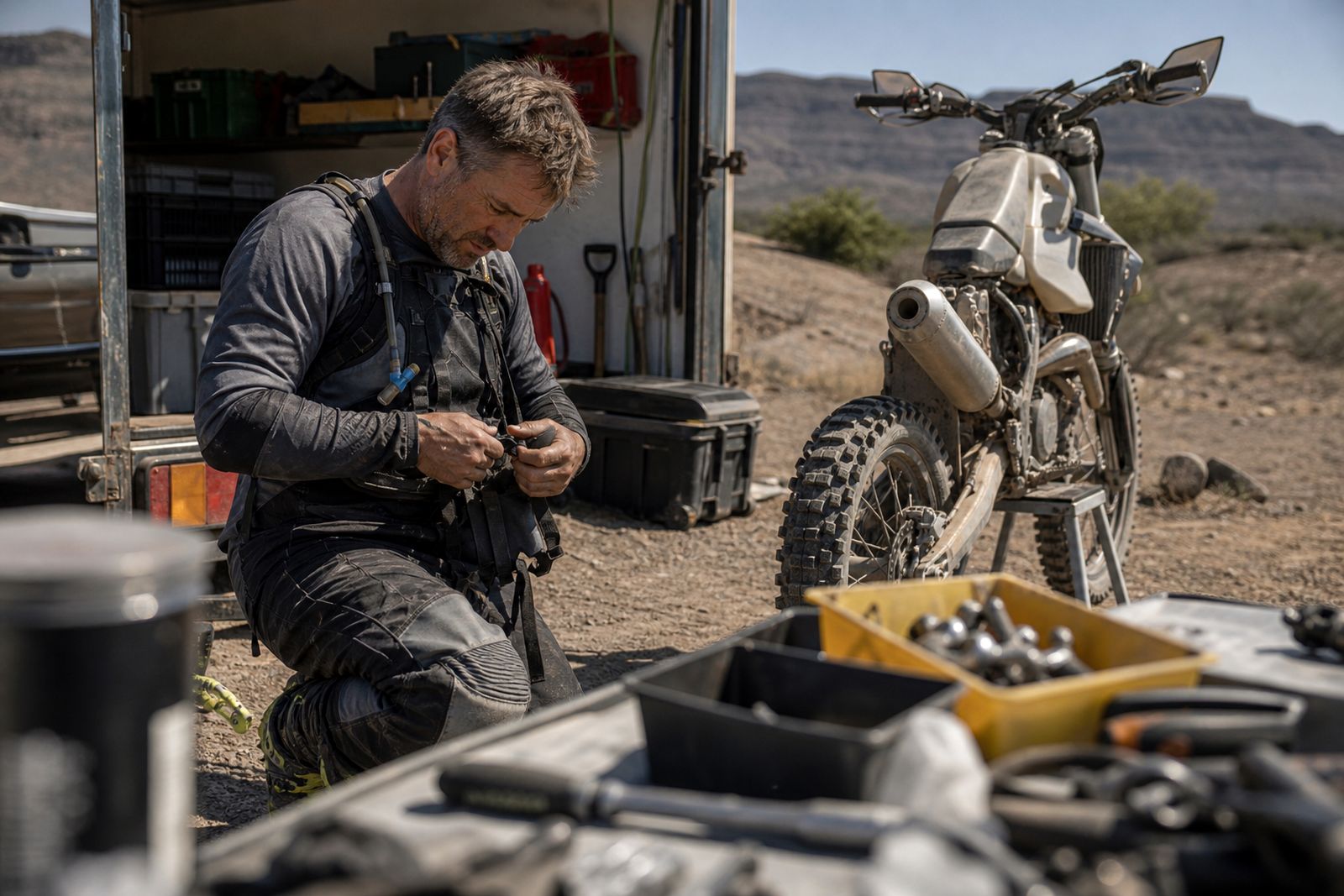
Plan your next race weekend
Send a note through our contact form with the event, the bike or vehicle, your class and what still needs sorting, and we will come back with practical kit and prep options and a quote.
Open the contact form