Pit packing pace
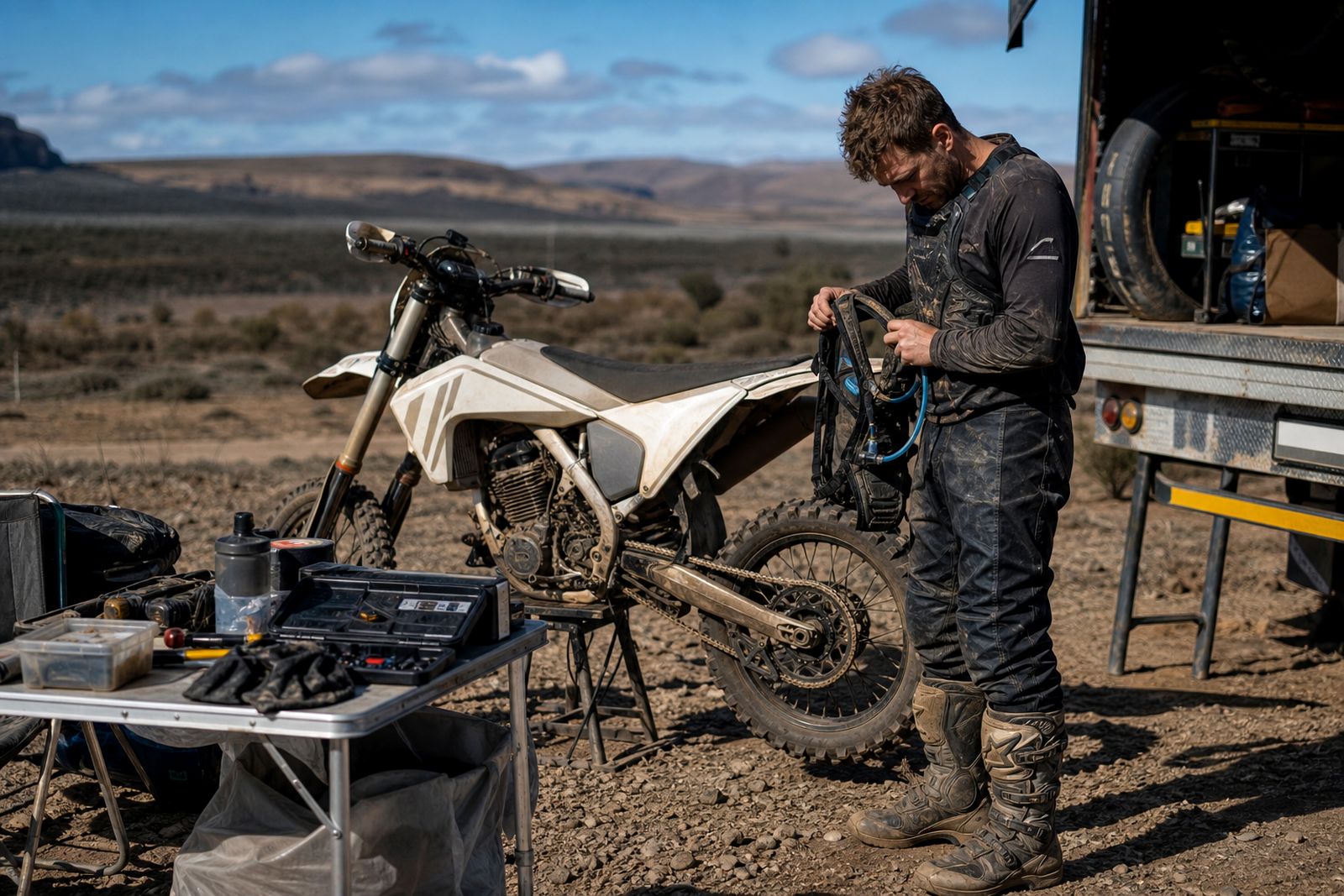
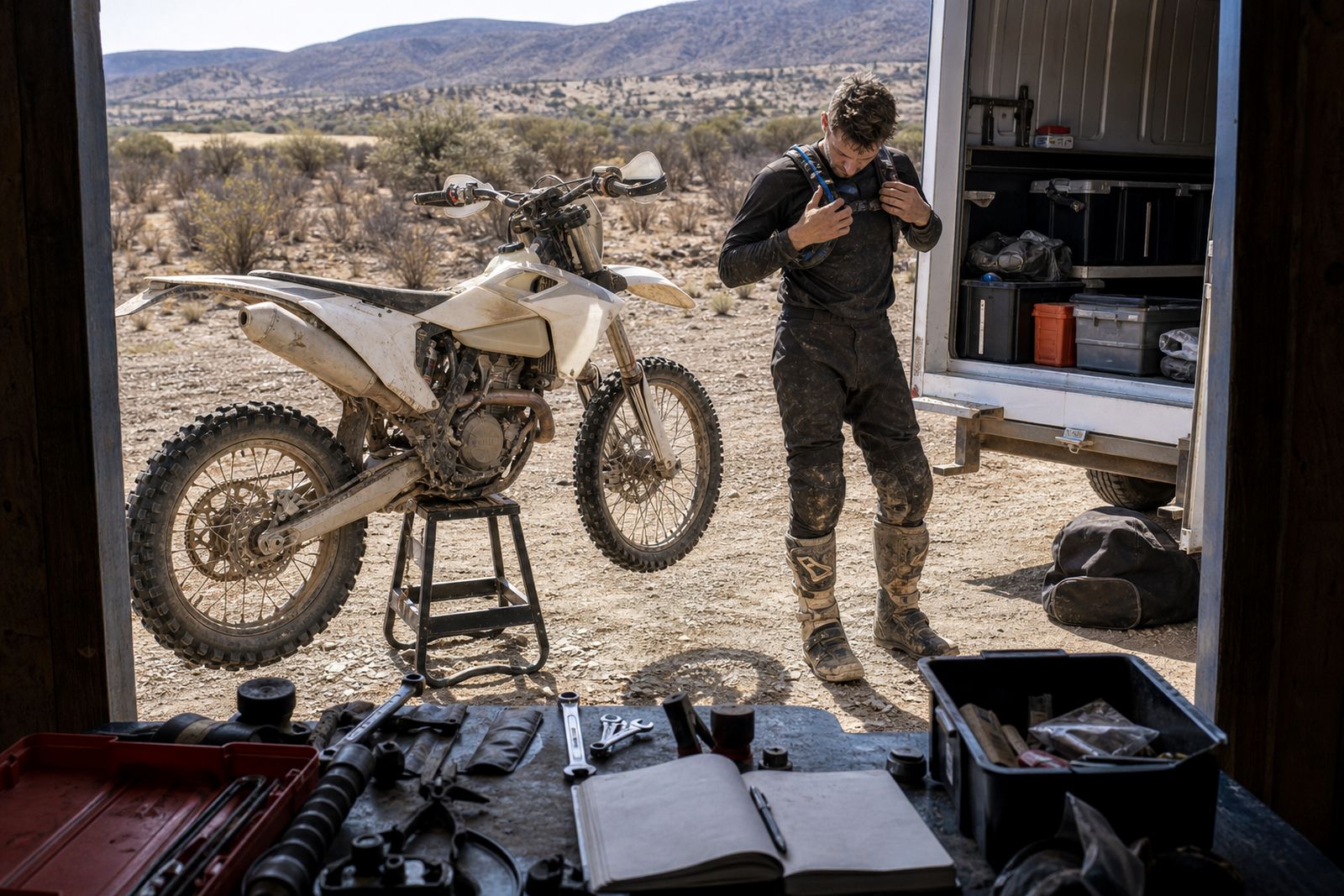
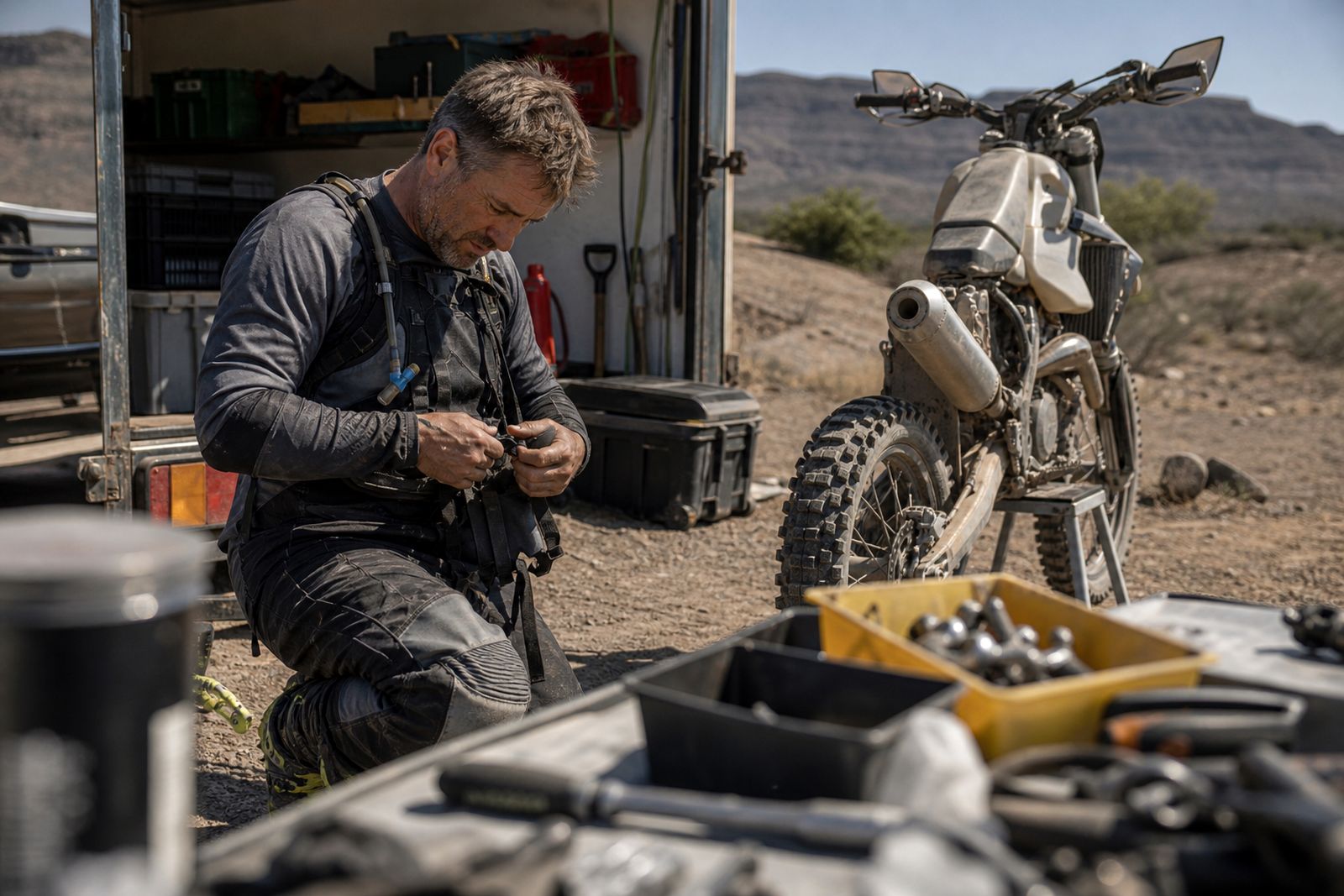
Laying out the pit area so race morning starts calmly.
Trailer door opening order
Laying out the pit area so race morning starts calmly.
Workshop pace often stalls when parts aren't labelled, jobs overlap, or shelves become cluttered with gear that won't be needed until much later. Shifting from shed prep to circuit load-out means picking only what's essential for the next session, so nothing slows down the crew once the car arrives at the track.
This set of steps helps crews pack efficiently in dimly lit workshops and tight paddock spaces. Use clear bin labels, plan where wheels and fuel gear will be placed, and organise tools for quick access at Gauteng, KZN and Western Cape club rounds.
Steps tracked for efficient trailer door opening at a circuit:
- Arrival circuit and assigned pit space recorded
- Written layout diagrams for the trailer or pit, with highlights showing where key items are placed and how crew can reach them quickly.
- Storage locations identified for quick retrieval
- Crew roles listed against first tasks
Managing movement in the pit area
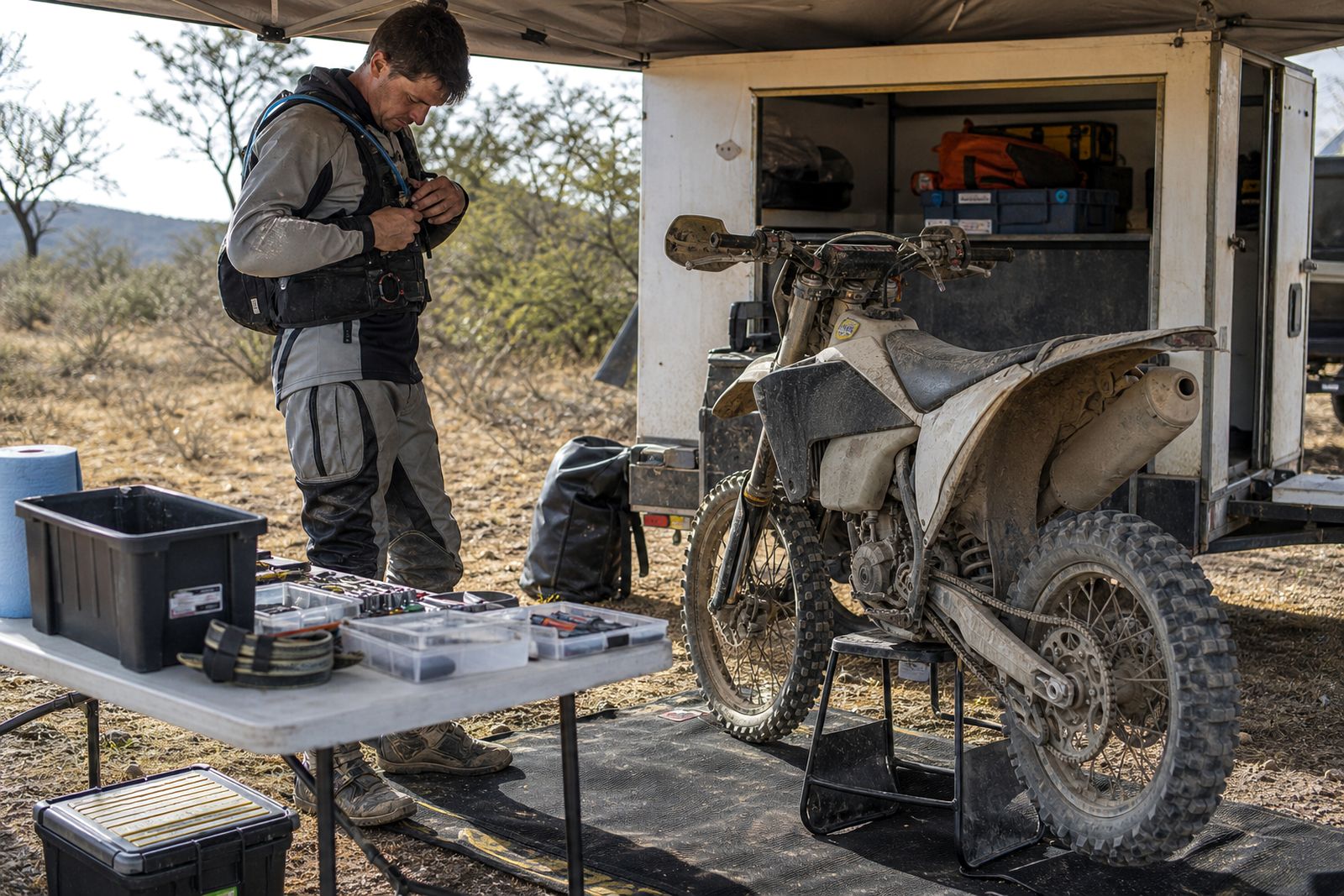
Organise the pit setup using the same care as when packing kit. The placement of bins, tools, wheels, and fuel gear can affect how smoothly the team operates throughout the weekend.
A narrow space at Zwartkops calls for a different approach than a wide area at Killarney. Consider jack access, tyre stack height, where fuel containers are kept, and how far crew place spare wheels from the car once scrutineering begins. Wind and uneven paddock ground influence which items should remain sealed until they are needed.
Keeping a brief equipment layout note before the first session provides a useful reference when gear shifts during the event. This record helps everyone return tools and spares to their correct places as the weekend progresses.
Crew sheet
A paddock setup that matches the run plan depends on maintaining layout order, prioritising how items are packed, and checking label legibility after a long tow. Delays often come from mixed fasteners, misplaced charging leads, and fuel funnels in the wrong crate.
Record tyre sheet details, spares information, and upcoming kit needs together with packing notes. Teams loading from Bellville often gain from double-checking crate names, wheel markings and final packing notes before heading out for an extended trip.
Essential crew packing details for a smooth load-out:
- Pack order matched to race tasks
- Layout detailed before tools are unpacked
- Crew contacts listed with load-out notes
Factors affecting bay setup
Kyalami wind can move paperwork, open boxes, and shift light packaging unless heavier gear anchors the setup early. Midrand supplier cut-offs and shared workshop space also shape how neatly gear is staged before departure. Keep race-morning tools together and overnight spares stored separately for an organised start at the circuit.
Load-out notes worth recording
Record crate positions and any issues while the load-out is still underway. Keeping details on hand means the team can quickly answer questions about item locations, missing tools, or which side of the trailer carried the heaviest gear.
What our Race Prep customers say
Verified Google reviews
Also worth a look
Plan your next race weekend
Send a note through our contact form with the event, the bike or vehicle, your class and what still needs sorting, and we will come back with practical kit and prep options and a quote.
Open the contact form