First article
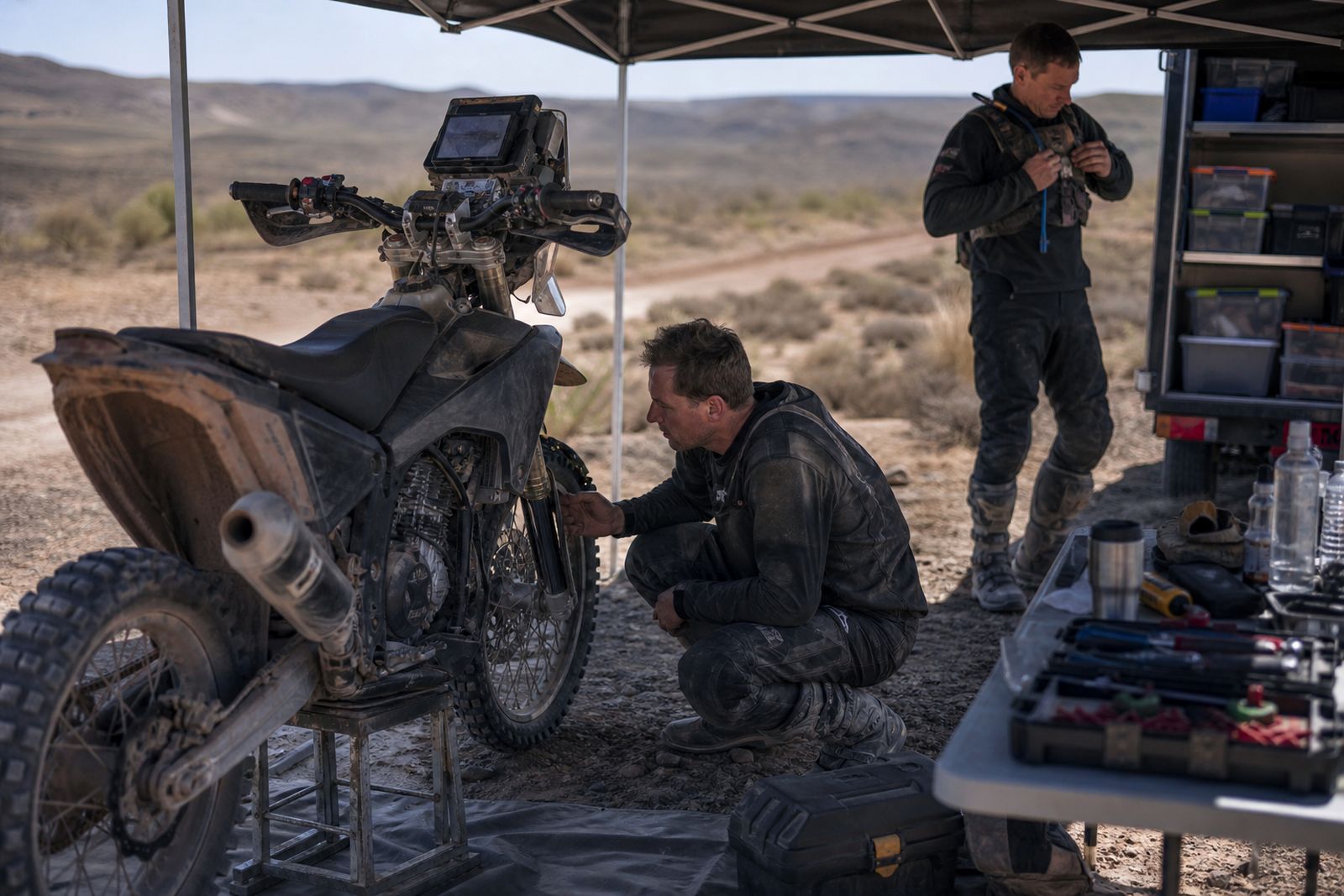
Getting car and crew ready for the first session of the day.
Opening-session checks that matter
Getting both car and crew ready before race morning begins sets a solid foundation for the first session. Early checks and planning help avoid last-minute issues that could disrupt the day.
Setting the pace for the meeting starts with a thorough check. Confirming wheel torques, fluid levels and the basic setup sheet helps the team avoid small errors that could affect the session. Follow these first article steps to establish a reliable routine for the day.
Session setup checks help avoid confusion at the circuit:
- Clearly name both the circuit and session
- Tyre cold pressures recorded before unloading
- Setup sheet stored where crew can reach it
- Driver and chief mechanic listed on note
Storing the first article note with crew kit and the lap plan keeps the day's information accessible. Use one note for pre-roll inspection and others to track tools, spares and adjustments after the first run, so decisions rely on what has actually been recorded.
Before the car rolls out
The opening session serves to verify that preparation, essential tools, and crew notes are all set before the car heads out.
Set out the class, circuit and first-session objective clearly. Killarney may call for a different tyre warm-up plan, while Zwartkops and Kyalami often highlight pressure or brake feel issues in the opening laps. Even when the paddock setup is simple, a consistent routine supports every meeting.
Logging initial car condition before leaving the stand, such as tyre pressures, bonnet-up fluid checks, or a quick scrutineering mark noted, provides a reference if any reading is questioned on the return sheet. Position the note inside the trailer door or place it with the radio charger and timing clipboard.
What the first article should leave behind
Crew benefit from a pre-run sequence, with each reading and checker named for clarity. Listing front hot pressure targets, wheel torque figures or fuel load for the opening stint ensures every step receives attention before pit lane opens. Vague reminders lose their value once the session is underway.
Specifying main circuits, trailer space needs and class details when ordering a paddock kit ensures the right fit for any club weekend. Supplying accurate information supports a smoother start to the event.
First article should ensure accurate records stay with the team:
- Checks matched to first session only
- Baseline condition recorded before pit exit
- Crew names and their details appear on the sheet for quick reference during the session.
Race-morning conditions worth noting
Noting both the circuit and session on the first article sheet draws attention to checks that take priority in the opening minutes. Tasks required before the car leaves the paddock should be listed separately from those that can wait until the workshop session later in the weekend.
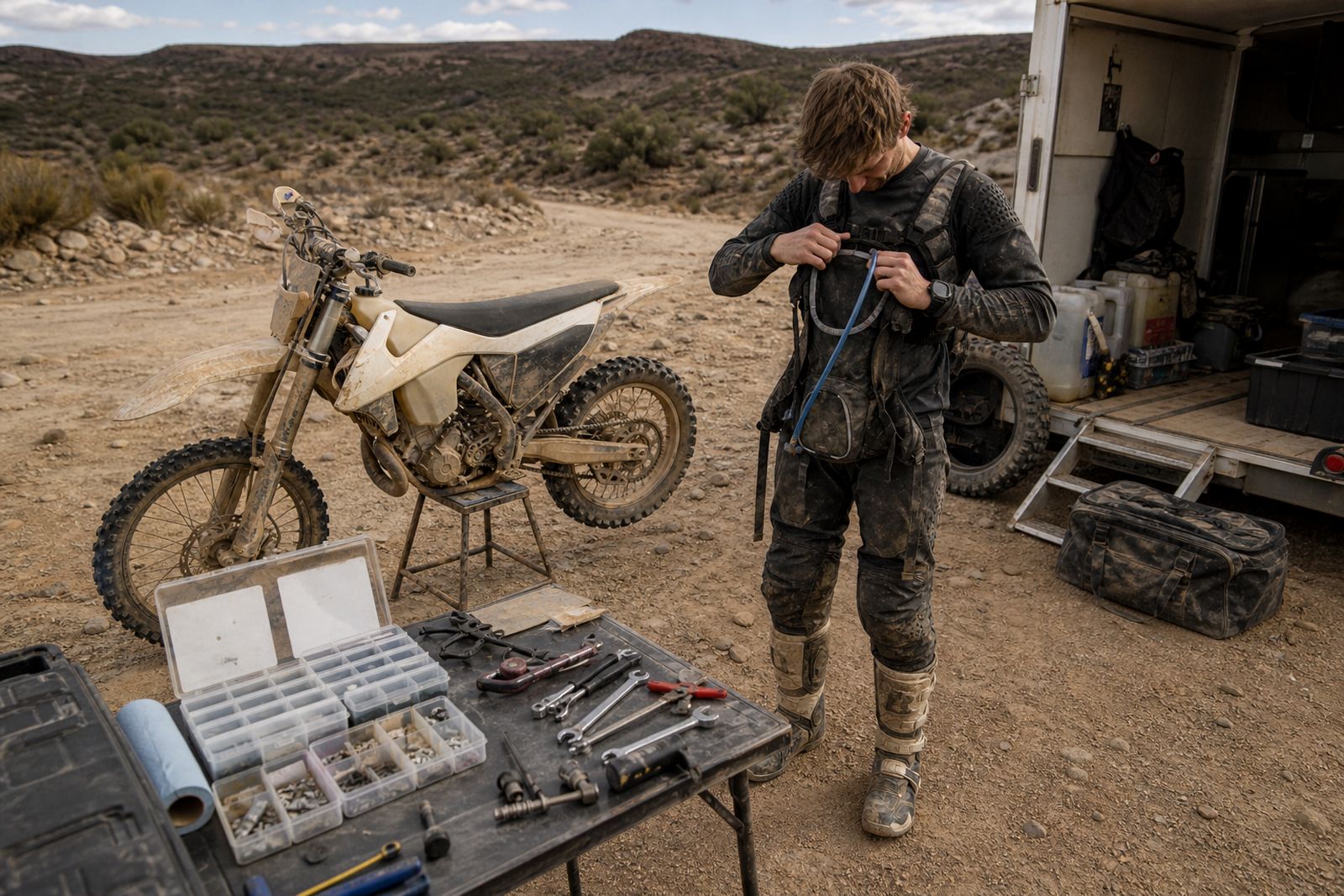
Batteries, radios and tyre tools need to be charged and ready before sign-on. Check connectors, brake hardware and stored spares for any signs of wear or looseness before the opening session. Events at inland circuits can leave extra debris on filters, visors and trailer shelves after a dry Friday load-in.
Opening-session prep sequence
Session details written immediately after the run capture pressures, fluid top-ups, torque recheck results and the driver's first comments. A thorough note streamlines answers for organisers or crew chiefs if any setup changes are queried later in the day.
What our Race Prep customers say
Verified Google reviews
Also worth a look
Plan your next race weekend
Send a note through our contact form with the event, the bike or vehicle, your class and what still needs sorting, and we will come back with practical kit and prep options and a quote.
Open the contact form