Timing board specs
Specification sheet for timing board.
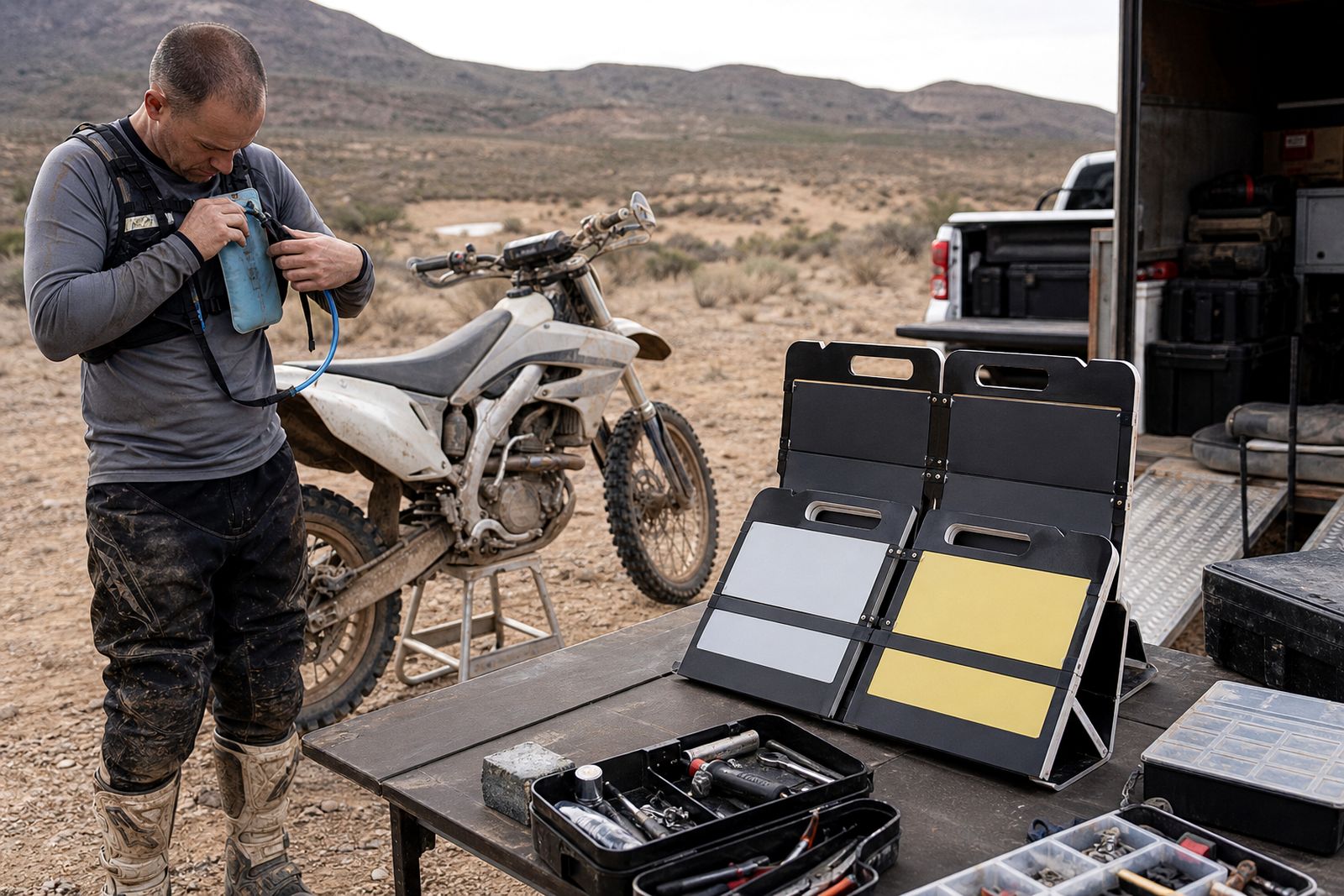
Legibility for drivers at speed
Visibility and handling at the circuit depend on digit size, board contrast, and edge stiffness.
The most important factors are what the driver can read at speed, contrast, digit height, board width and edge stiffness. These features matter more at Kyalami, Killarney or Zwartkops than any extra finish details. The face must remain readable after a full day by the wall, despite changing light and track conditions.
Testing grip and handling while wearing race gloves helps avoid last-minute surprises before loading the trailer. Grip points, card slots, fixing holes and the wipe-down surface should all work one-handed while radios, flags and pit lane traffic compete for attention. Taking a reference shot of the assembled board makes it easier for the crew to rebuild it the same way at the next meeting.
Race-day board contents
Display area, card format, handle position and carry weight all affect how the board is used at the circuit.
Matching board specs to the usual pit wall routine helps avoid issues seen with timing board, grid board and lap notes. Packing the digit set, spare fasteners and cover before heading out prevents last-minute kit gaps or damage from causing problems at the circuit.
Board features needed for smooth pit operations include:
- High-contrast digits for fast reads
- Handles placed for gloved hands
Track features and handling issues
A light board may twist in strong crosswinds at Killarney, and sun glare at Kyalami can reduce the visibility of weak colours by midday. At Zwartkops and smaller club rounds, limited pit space affects how easily the board can be lifted, stored and passed between crew members. Review these handling factors before race morning.
Laminated cards may curl if stored badly after the meeting. Cleaning points need to be simple and visible, as slots, clips and marker grooves tend to trap debris over time. Many teams still prefer a clear manual board over anything dependent on charging.
Numbers and handling checks
A quick note on the board from pit wall distance gives a clear view of numeral style, especially if narrow strokes or crowded spacing make digits hard to read. Recording which calls the board must show, such as lap count, gap, position or box, helps keep the crew consistent at each meeting.
Keeping the spares list and driver briefing file together with each meeting’s documents saves time when something breaks or goes missing. Comparing the working board against a single clear reference means fewer mistakes and less confusion in the paddock.
What our Race Prep customers say
Verified Google reviews
Also worth a look
Plan your next race weekend
Send a note through our contact form with the event, the bike or vehicle, your class and what still needs sorting, and we will come back with practical kit and prep options and a quote.
Open the contact form