

Night lamp specs
Specification sheet for the night lamp.
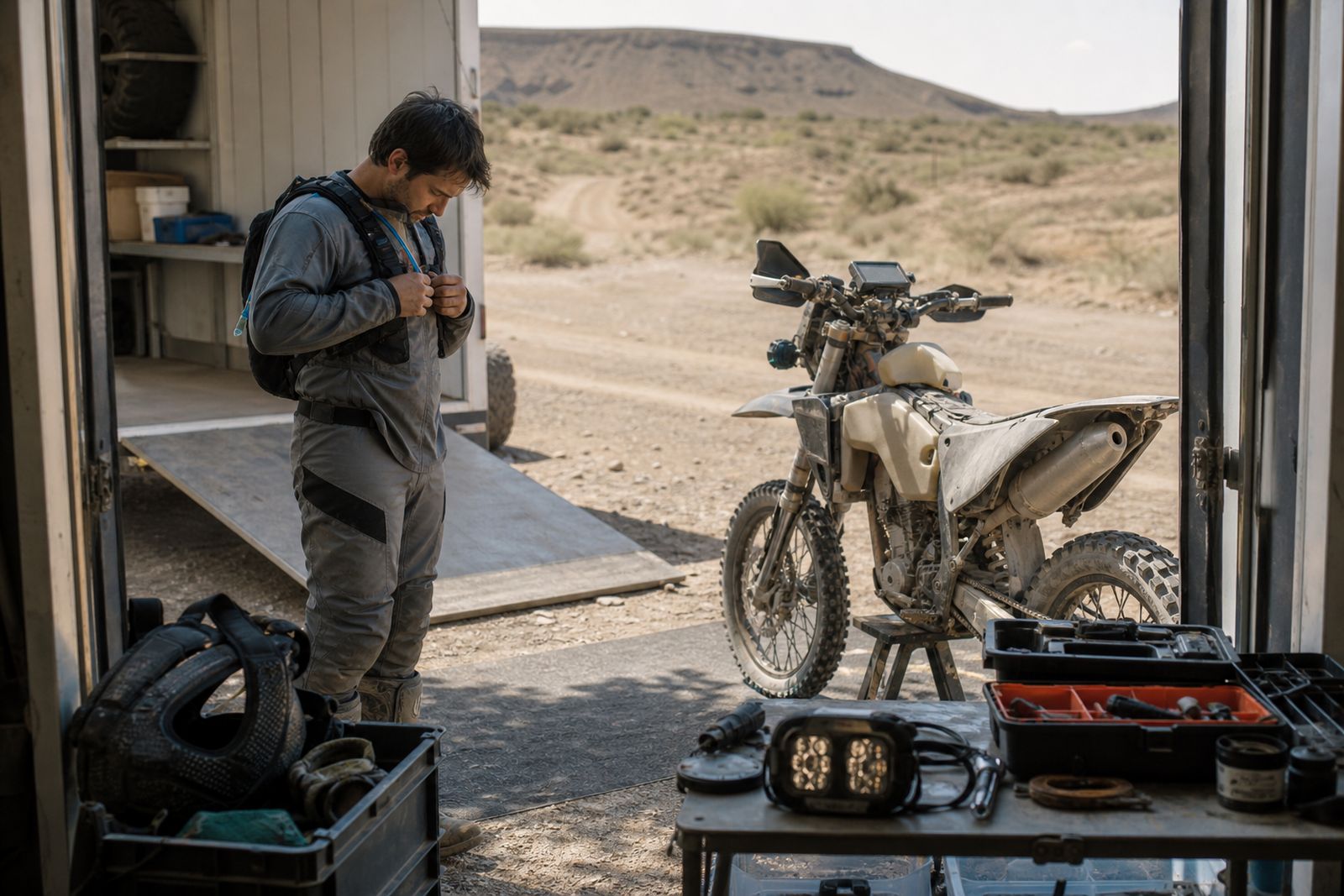
Beam spread and mounting points
Match the fit, beam angle and placement to your trailer layout and the way your crew handles night work.
Lighting for paddock work after sunset helps crews avoid errors; this lamp is not intended for use on the car during circuit runs. The specification matters most around trailer doors, awnings, tool chests and wheel-change areas where glare can hide small fasteners. Directing the lamp across the work area, rather than straight down onto the table, can improve visibility at venues with uneven lighting.
Test the lamp body, bracket and cable route against your trailer side before race week. A lamp mounted too low can catch elbows and bonnet corners, while a loose lead may end up under a jack or wheel. Crews setting up at Zwartkops or Aldo Scribante should check the switch and reach before packing out.
Lamp size and fitment details
Lamp size, mounting method and cable connections should match your trailer’s layout and packing. Make sure the lamp fits your battery box, extension lead or trailer feed without guessing at connectors late in the week. If your awning rail or rear door frame is narrow, measure that section before choosing clamps or bolts.
Shared mounting spots with fuel jugs, radios or tyre gear require early planning to avoid clashes. Cable runs, switch placement and mounting height should prevent tangled leads or blocked access during night work.
Lamp mounting must suit trailer layout and night work needs:
- Mount height checked against awning edge
- Lamp connections matched to trailer layout
- Switch position reachable with gloves on
Night running in SA paddocks
Western Cape wind can move a lamp that is not properly braced, especially on open trailer setups at Killarney. Smaller venues with dim pit lighting may need wider beam coverage than larger circuit garages. Sealed lamp connections and reliable switches help crews continue working through late paddock sessions at inland tracks.
Charging from mains between events means battery checks, charging time and spare leads should go on your prep list along with your jack and radio. After late work in the pits, check for signs of wear on terminals, brackets and exposed fasteners.
Checks before packing the lamp
Lens condition, bracket tightness and cable length need checking before the trailer door shuts. Removable batteries or plug-in leads should be labelled to prevent them being left in the workshop drawer.
Lamp sheet stays with your setup note for evening tyre changes, brake checks and refuelling prep at the track.
What our Race Prep customers say
Verified Google reviews
Also worth a look
Plan your next race weekend
Send a note through our contact form with the event, the bike or vehicle, your class and what still needs sorting, and we will come back with practical kit and prep options and a quote.
Open the contact form