Grid board
A dummy-grid board that reads through a windscreen and is easy to carry.
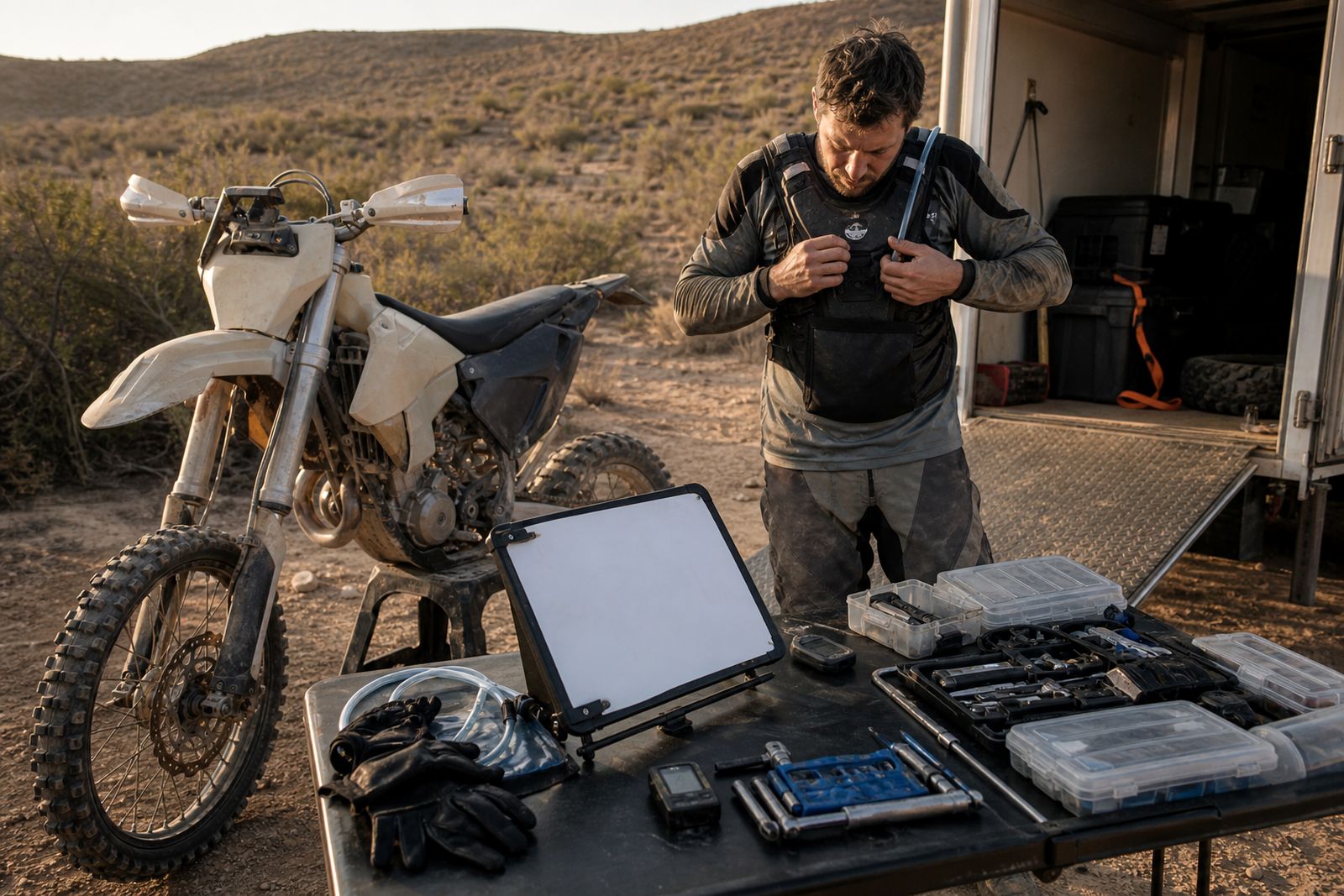
Dummy Grid readability points
Carrying a grid board on the dummy grid and through the start procedure means juggling helmets, radio kit, and support pieces. Ensuring the board remains easy to read, quick to move, and suitable for local club racing improves start routine flow.
Board size, numeral height, and contrast matter more than fancy finishes when a driver has one quick glance before the start procedure. At Killarney, Kyalami, Zwartkops, and Aldo Scribante, glare, crosswind, and a crowded dummy grid all affect what can actually be seen from the cockpit. A useful setup starts with bold race numbers, lap or pit signals, and handles that do not twist in your hand while moving between rows.
Inspection of the face panel, hinges, fasteners, and base or support poles for cracks, bent sections, and loose hardware keeps things reliable. Cleaning clips and sliding parts after a race, and drying boards before packing, prevents issues with metal fittings and avoids confusion when marshals call cars forward.
Board kit contents that matter
The useful parts are the ones that keep the board upright and legible during pre-grid and start hold, not extra bits that stay in the trailer. Most teams need a clear board face, simple support hardware, stowage that protects corners in transit, and markings large enough for a helmeted driver to pick out at a distance. Storage also counts, because a board that chips or warps between meetings becomes harder to trust on race morning.
Board kits sent to teams in Bellville or surrounds need the right size and support to fit with existing gear. Sending your current board dimensions and mounting setup helps match the kit to your team's needs.
A board kit for team use typically includes:
- Large numerals visible through visors
- Stable support on uneven paddock tar
- Packing check for board and hardware
Club racing conditions across SA
A grid board that works in the workshop can still be awkward at the circuit if the handle position is poor or the stand sinks into soft verge next to the holding area. Kyalami and Zwartkops often mean quick moves from paddock to dummy grid, while Killarney wind can catch a broad board face if the support is too light. Smaller club rounds also tend to rely on one or two people doing several jobs at once, so carry weight and setup speed deserve attention.
Sun fade can shorten the life of markings if the wrong surface or ink is used. Radios, starter instructions, and last-minute pit board changes are easier to manage when the board face has a simple layout rather than cluttered information. Low-tech, easy-to-read signalling remains a practical option in local club racing kits.
Key info when ordering a board kit
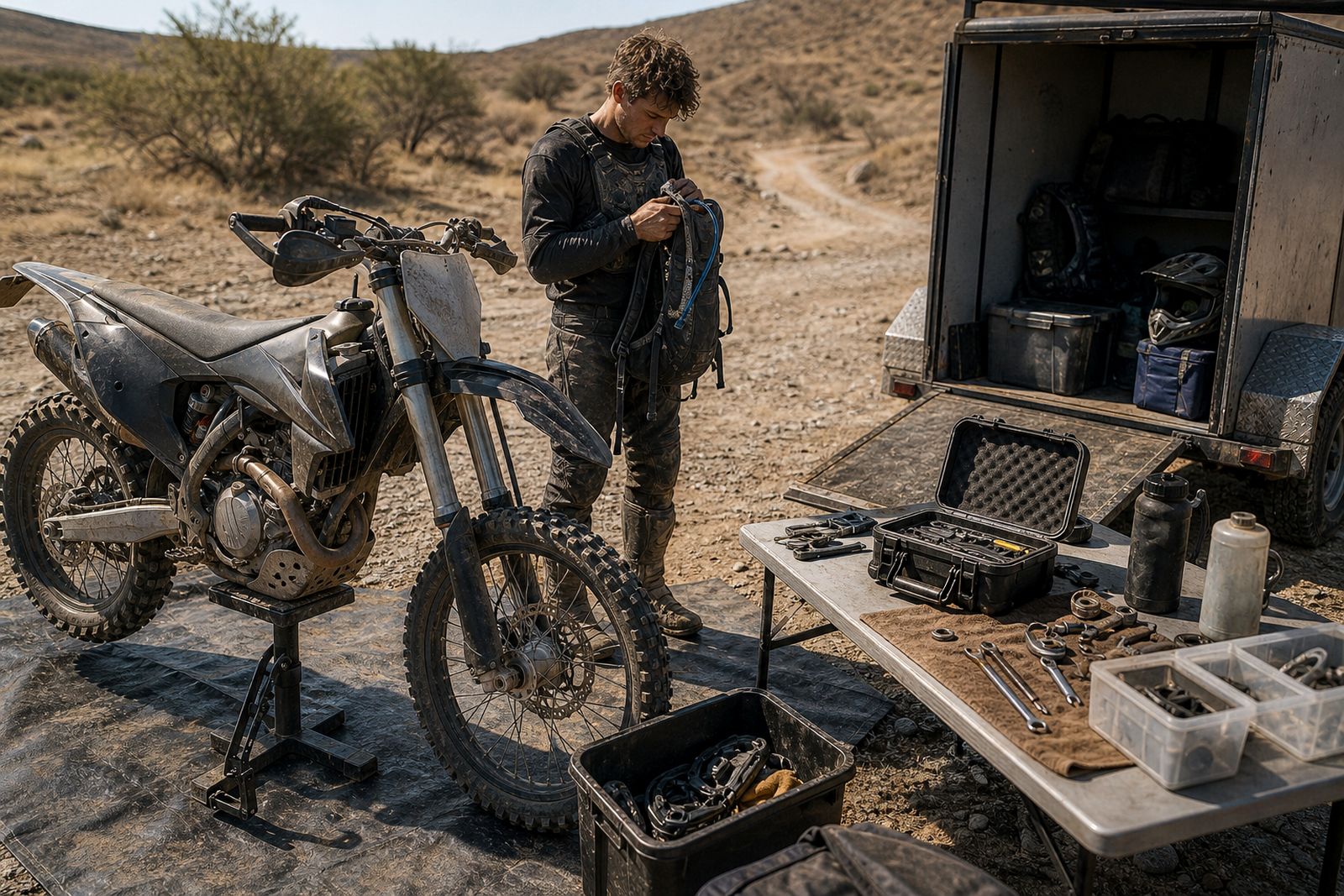
Practical planning improves when the board face, support method, and storage approach are explained in relation to the team's routine. Mentioning the class, main circuits, and whether the board is used for grid positions, pit, or warm-up instructions helps confirm the right setup.
Describing what has failed before, such as folding legs opening unexpectedly, numbers washing off, or poor visibility in afternoon light, guides improvements. Packing spare clips, bolts, tape and replacement numerals keeps the board ready for a full club weekend.
What our Race Prep customers say
Verified Google reviews
Plan your next race weekend
Send a note through our contact form with the event, the bike or vehicle, your class and what still needs sorting, and we will come back with practical kit and prep options and a quote.
Open the contact form