Fuel rig specs
Specification sheet for fuel rig.
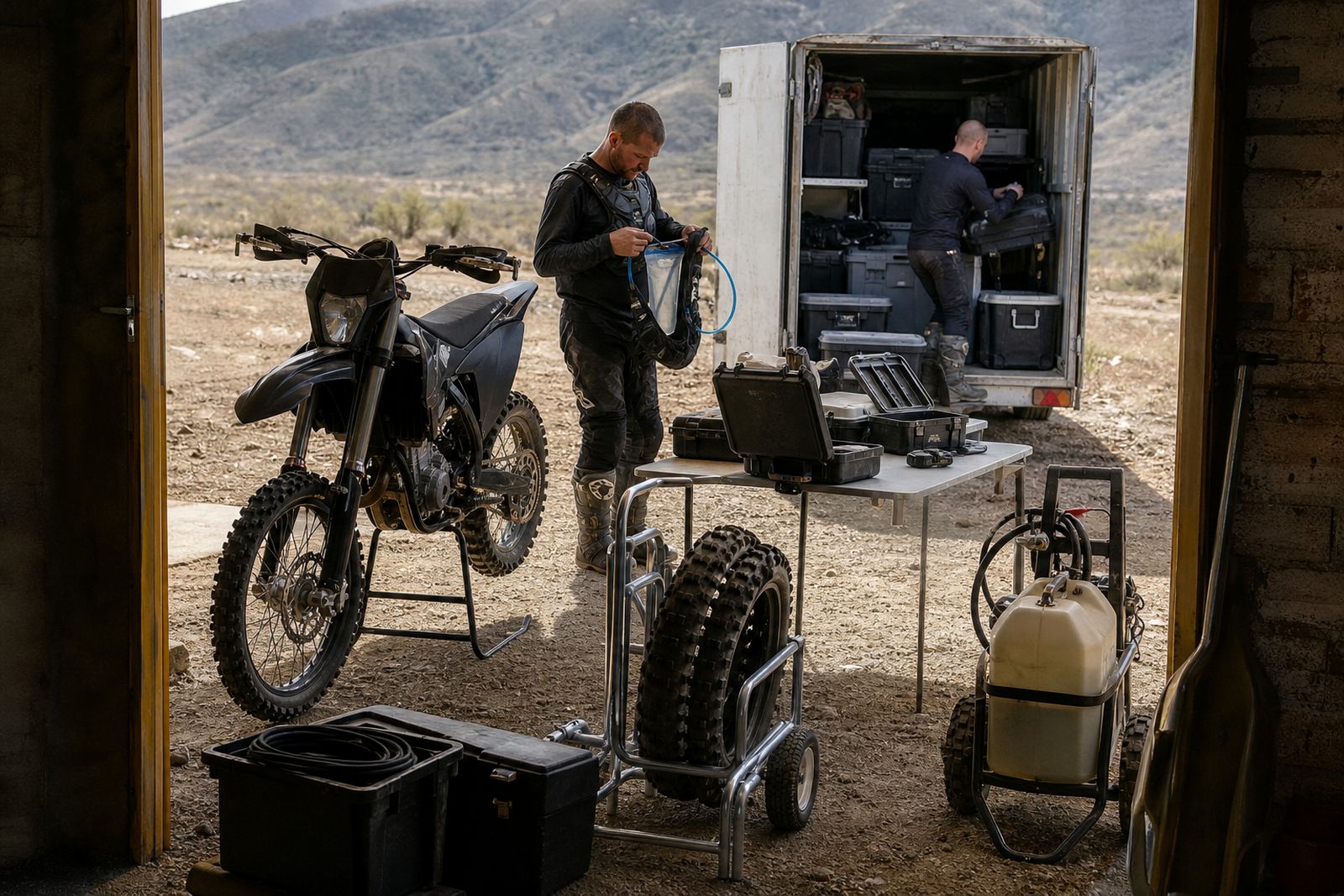
Fuel rig footprint and access
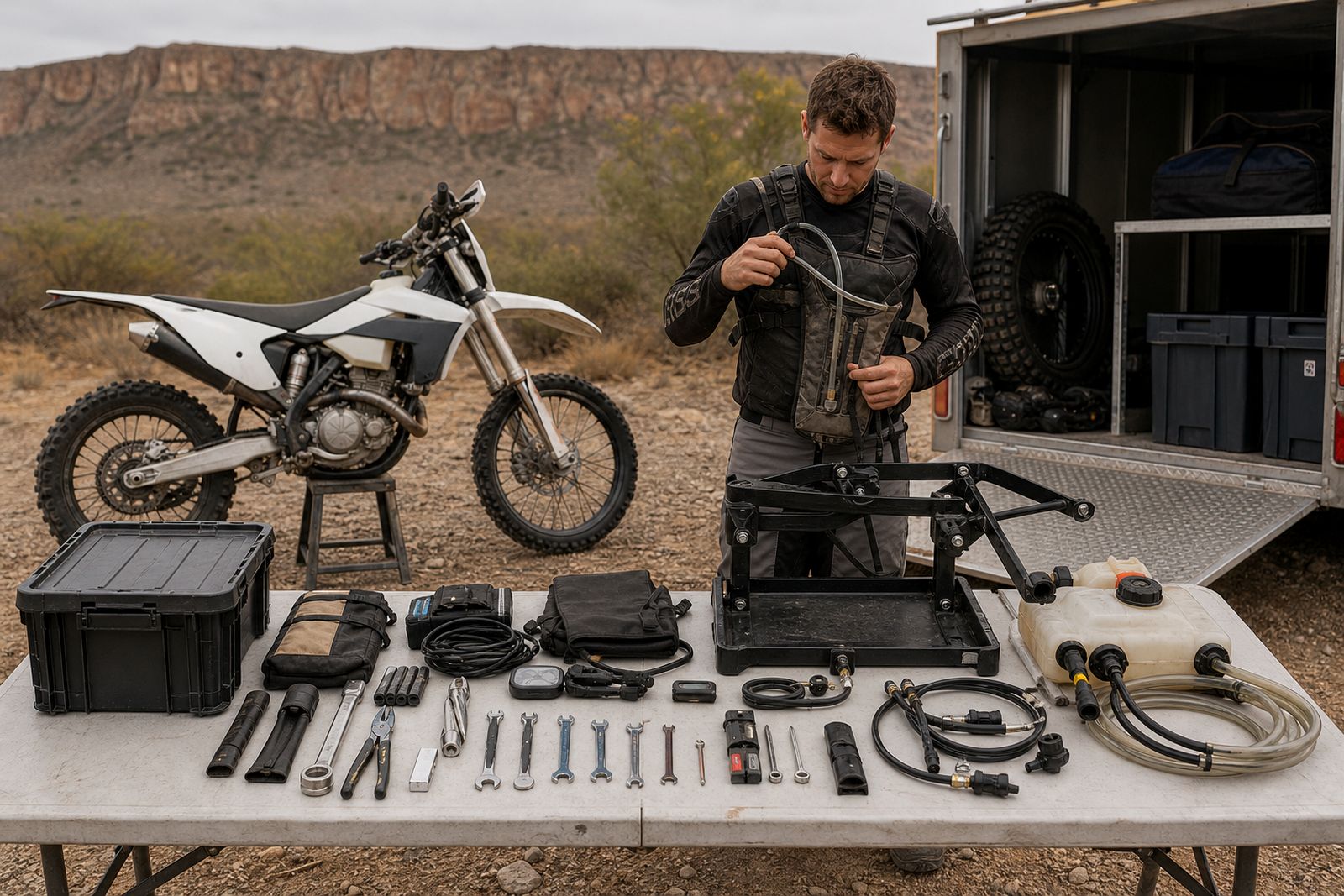
Review key checks for the fuel rig before committing to a setup, including space, handling requirements, and the parts your crew will need to work around in the paddock.
Check the fuel rig width to confirm it fits your trailer ramp, awning supports, and the lane allocated by your club. Note tank capacity, overall height, hose length, and whether one person can move the rig safely on tar or grass. Secure the unit between sessions to prevent movement.
Fill point location, vent routing, and wheel or skid setup affect handling before loading. Weighing the rig empty and full clarifies lifting needs and highlights the strongest tie-down options for safe trailer transport, especially at busy events.
Key figures crews need
Spell out hose diameter, nozzle type, earthing method, and the consumables packed with the rig. Include usable capacity rather than only the tank size on paper. Crews need the dimensions that matter when refuelling near hot cars, tyre stacks, and other equipment.
Match each Durban consignment to the parts list and update records when changes occur to keep the correct setup documented. Assign a clear identifier to each fuel rig for accurate paddock notes.
Essential measurements and crew details for each fuel setup:
SA paddock conditions to note
Turning radius and trailer placement often become critical at venues such as Kyalami and Zwartkops, where paddock space runs tight. Light equipment at Killarney may need extra restraint when wind picks up, and crews should keep track of litres moved between sessions during fast event formats.
Inspect hose fittings, clamps, and exposed metal for wear after storage. Sealing points around caps, couplers, and vents require checking before each event to prevent leaks. Battery-powered accessories must be charged and ready before departure.
Fuel rig inspection points
Nozzle condition, hose age, cap seal state, and any signs of seepage around joints should be checked. Empty weight, full weight, and required clearance for rolling the unit out of the trailer all play a role in setup decisions.
What our Race Prep customers say
Verified Google reviews
Also worth a look
Plan your next race weekend
Send a note through our contact form with the event, the bike or vehicle, your class and what still needs sorting, and we will come back with practical kit and prep options and a quote.
Open the contact form