Cool Suit specs
Cooler, control lead, hose and fitment checks for a cool suit setup, with routing and service notes for race day.
Hose routing and electrical setup
Plan hose runs, confirm electrical requirements, and identify the service points your crew will access during an event.
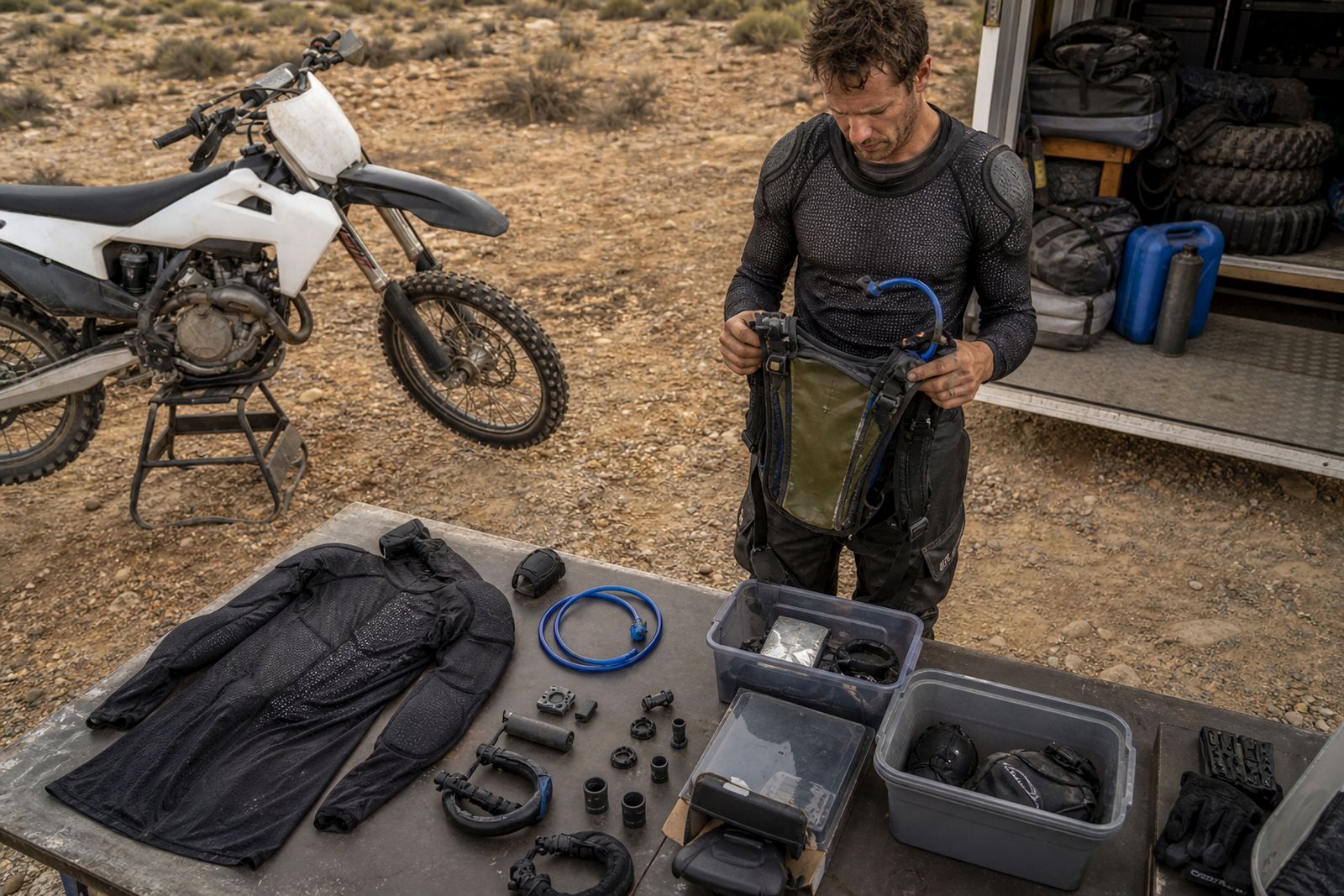
Shirt size, hose exit side, and connector type should be checked before reinstalling the seat. On a tight club car, the run from the cooler to the driver matters as much as the unit itself, especially where belts, seat wings, and window nets can pinch the line. Maintaining steady flow is more important than a tidy install, particularly on longer stints at Kyalami and Zwartkops.
Crew notes on the cooler, control lead, hoses, and mount help confirm bottle position, cable reach, and spare couplings while packing for Kyalami, Killarney, or Zwartkops. Storing this information on the phone used in the paddock allows fitment questions to be checked against the car instead of relying on memory.
Fitment checks
Check current draw, hose length, connector reach, and the unit's position with the driver strapped in to avoid issues in the paddock. This step highlights the service tasks your crew will handle on race day, such as filling, draining, cleaning the intake side, and keeping the loom away from hot or moving parts.
If you need to send measurements, use the contact form and describe the cooler location, hose route, and battery position.
Fitment checks to confirm before installing the cool system:
Checks for SA race conditions
Track sessions at Killarney and Aldo Scribante require checking plug condition, terminal protection, and hose clamps before loading the car. For inland meetings, confirm ice retention, pump runtime, and how quickly the cooler can be opened between runs.
Check couplers and lid seals for debris before reconnecting the system. Charge support batteries early and test the unit on the car rather than just on the bench.
Driver briefing and service notes
Noting the hose entry location, slack at full lock, and whether the disconnect is reachable with gloves gives the crew and driver a reliable reference. Shirt size, connector type, and cooler fill steps should also be included so a stand-in crew member can handle service without guessing.
Keep the cool suit sheet with the event packing list and scrutineering items. When the car comes back in, note ice use, any wet spots in the cockpit, and whether the lead or fuse ran hot during the session.
What our Race Prep customers say
Verified Google reviews
Also worth a look
Plan your next race weekend
Send a note through our contact form with the event, the bike or vehicle, your class and what still needs sorting, and we will come back with practical kit and prep options and a quote.
Open the contact form