

Spares Ready
South African race teams organise backup parts and consumables for club weekends.
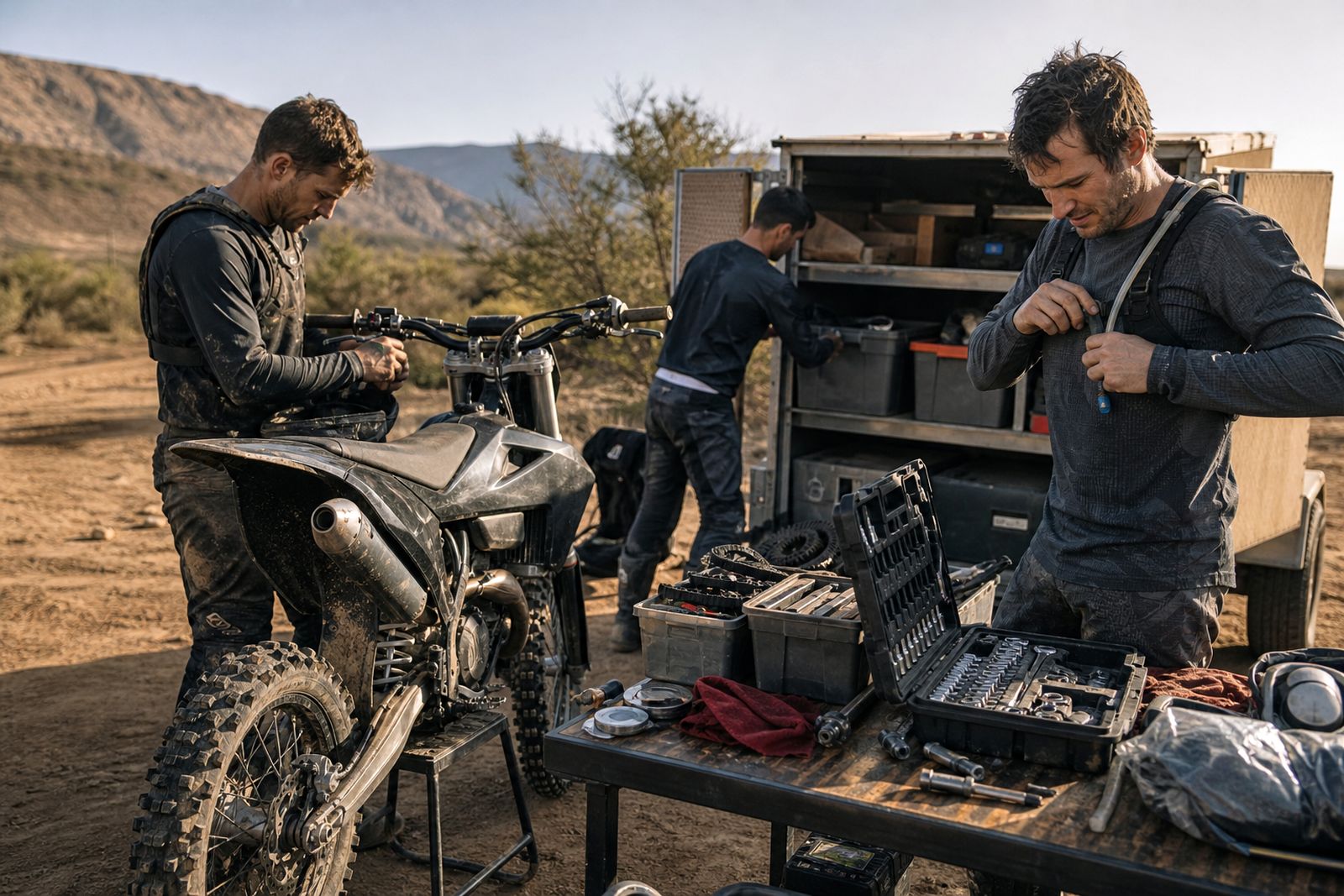
Likely spares for club rounds
Crews use Spares Ready to sort backup parts, consumables and items that need to stay accessible in pit lane.
Name the class, the circuit and the known weak spots on the car before the list is drawn up. Kyalami kerb strikes, Killarney wind, Zwartkops circuit layout and Aldo Scribante travel time all influence which bearings, lines, clips and fluids should sit up front. Smaller regional meetings often require tighter packing, as local parts support can be limited once the paddock fills.
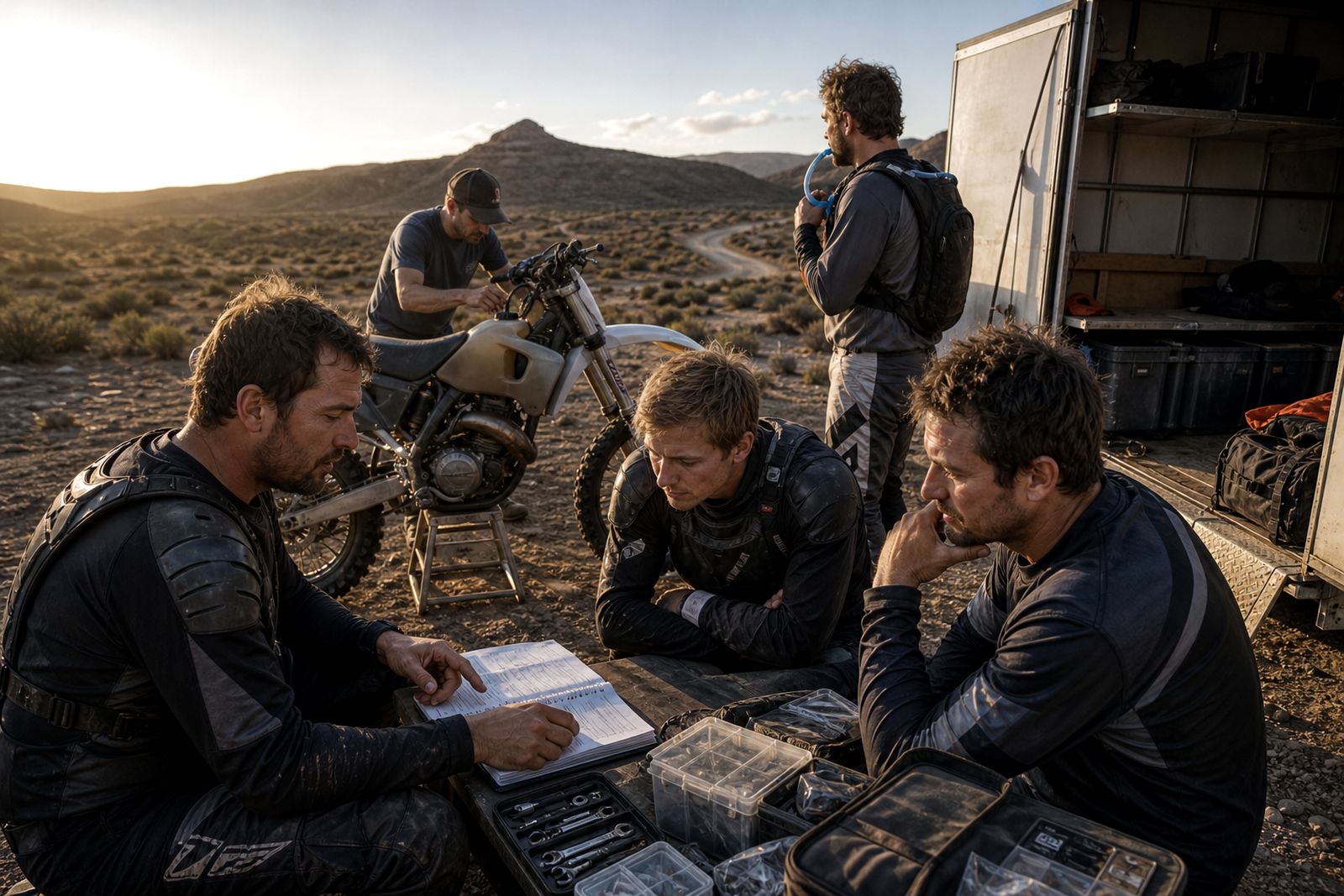
Position essential items for quick access by referring to shelf or trailer arrangement notes as a guide. Note which parts need restocking, what was borrowed during the last event, and any mismatched part numbers to keep the paddock note as a practical checklist rather than just an inventory tally.
What goes in the paddock pack
Spares Ready notes separate consumables, breakage items and parts that stay in the workshop, keeping the weekend box efficient. Fast movers often cover brake fluid, cable ties, electrical terminals, wheel studs, sensors, hose joiners and the fixings that disappear during urgent repairs. When tyre, brake or drivetrain changes are planned, highlight the tools and fluids that need to go with those parts.
Running order and backup parts often appear together on one sheet. Missing items, incorrect threads or low supplies can be described using the contact form for a prompt reply. For kit loads or courier dispatches, specify what must stay separate from general service inventory.
Items for the paddock pack are typically arranged as follows:
- Likely failure parts near pit lane
- Supplies running low flagged before packing
- Shelf layout notes matched to spares lists
Trackside spares priorities
Circuits can increase demand on filters, visor tear-offs, connectors and exposed electrical plugs. Longer trips from the Western Cape or Gauteng mean hub, strap and key hardware spares should be checked and packed ahead of time. Hardware kept in the trailer needs checking for wear, especially with back-to-back events.
Radios, jump packs and battery chargers should be checked well ahead of departure to avoid last-minute issues. Afternoon sessions can raise the priority of coolant, steering fluid and brake temperature management, particularly on older club cars. For wet meetings, pack dry storage for pads, gloves, paperwork and any spare electronics that travel loose.
Useful details for the brief
Shelf or trailer layouts, event timing, and details about parts that are already low, wrong or missing should be described when briefing Spares Ready.
Event timing, car specification, and details on any parts that failed or ran low at the previous outing all help brief Spares Ready. Shelf, drawer or trailer tub arrangement notes show access, labelling and quantity at a glance. Record anything borrowed from another team so it can be replaced on the next load plan.
What our Race Prep customers say
Verified Google reviews
Also worth a look
Plan your next race weekend
Send a note through our contact form with the event, the bike or vehicle, your class and what still needs sorting, and we will come back with practical kit and prep options and a quote.
Open the contact form